





When you connect with a peer supporter, you’re not just talking—you’re sharing space with someone who’s lived through addiction and come out the other side. Their real-world experience builds trust fast, and that bond can reduce your relapse risk by up to 35%. Peer support isn’t clinical treatment; it’s emotional, practical, and rooted in mutual empathy. It turns isolation into belonging and setbacks into stepping stones. There’s much more to uncover about how this powerful connection works.
What Peer Support in Recovery Really Involves

When you hear the term “peer support,” you might picture casual conversations or simple check-ins—but it goes much deeper than that. In peer support recovery communities, trained individuals share lived experience to inspire hope and prove that lasting change is possible. They’ve walked your path and understand the weight you’re carrying.
Your addiction peer support network helps you build a strengths-based recovery plan, navigate healthcare systems, and connect with housing, employment, and mutual-help resources. Certified peers provide emotional, informational, and instrumental support—advocating for your needs when you can’t yet advocate for yourself.
Through sobriety community support, you’ll find role models who embody recovery principles daily. Their empathy reduces stigma, strengthens your self-esteem, and reminds you that you don’t have to do this alone. Importantly, peer workers focus on support and education rather than clinical intervention or diagnosis, distinguishing their role from that of licensed counselors and medical professionals.
Where Peer Support in Recovery Happens
When crisis hits, peer respites like Affinity Place in Rochester, NY, give you a voluntary, no-fee alternative to emergency rooms, staffed 24/7. You’ll also find peer support embedded within treatment settings and university programs like UT Dallas’s Center for Students in Recovery. Organizations like APAA demonstrate how peer-to-peer support grounded in lived experience keeps individuals engaged and increases the likelihood of long-term recovery across communities in North Texas and beyond.
Why Lived Experience Makes Peer Support Work
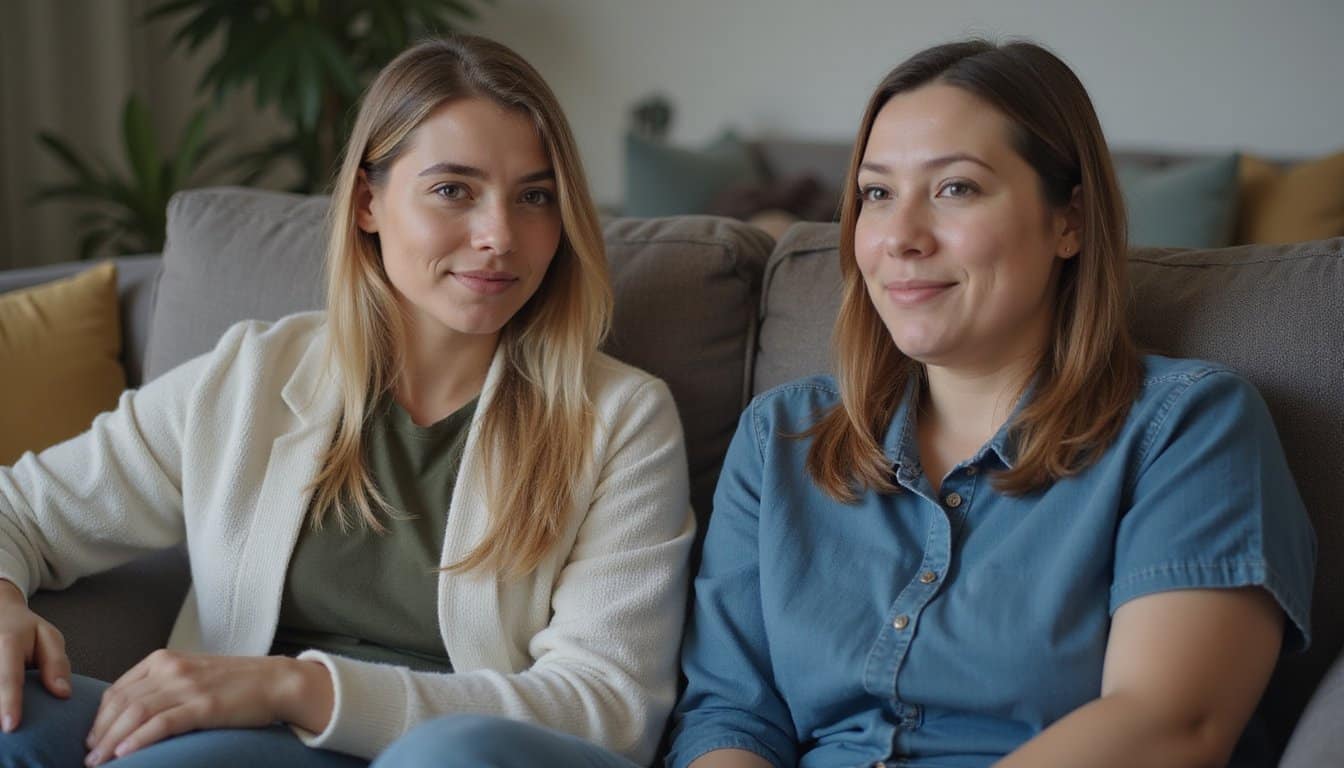
No matter where peer support shows up—in a crisis respite, a treatment center, or a campus recovery program—it works because the people offering it have walked the same road you’re on now. Peer workers average over nine years in recovery, and 44% have navigated the criminal legal system themselves. That’s not textbook knowledge—that’s hard-won wisdom.
When someone across from you has lived through withdrawal, relapse, and rebuilding, you don’t have to explain yourself. Their credibility isn’t earned through degrees alone—it’s forged through experience. That shared understanding builds trust fast, boosts your engagement, and strengthens your self-efficacy.
You start believing recovery’s possible because you’re looking at living proof. Their empathy isn’t performative—it’s personal. And that authenticity drives real, measurable outcomes in your life. Yet despite these powerful results, a significant gap in literature for scaling the dissemination of peer recovery support services means too many people still can’t access what works.
How Peer Support in Recovery Reduces Relapse and Rehospitalization
Because peer support is rooted in shared experience, it doesn’t just feel good—it delivers measurable results that reshape your recovery trajectory. Research shows peer support services reduce relapse rates by 35% compared to standard treatments alone. When you participate in support groups, your chance of relapse drops by 7% to 25%.
The impact extends beyond staying sober. Peer recovery coaching leads to reduced rehospitalization rates, lowering both personal setbacks and overall healthcare costs. You’re not just avoiding crisis—you’re building stability.
When you combine peer support with clinical care, treatment retention increases by 20%, and programs see 15-25% fewer dropouts. These numbers reflect something you already sense: walking alongside someone who truly understands your struggle changes everything.
How Peer Support Builds Pathways to Lasting Recovery
Though the numbers tell a compelling story, lasting recovery depends on something deeper than statistics—it depends on your ability to connect, empathize, and believe in your own social strengths. Research shows that empathic and social self-efficacy directly predicts both recovery and psychological well-being, beyond what social support alone provides. When you develop these skills, you strengthen pro-social behaviors that boost self-worth while reducing depression and anxiety.
Peer support fuels this growth. Through shared lived experiences, peers instill hope and mutuality—showing you recovery’s possible. Programs like PROSPER measurably increase your perception of social support over twelve months. Peer specialists help you identify positive social environments and build meaningful relationships with providers.
You’re not just managing symptoms. You’re building the relational foundation that sustains lifelong recovery.
Recovery Starts Here
The road to recovery is more challenging than most people expect, and what feels manageable at first can slowly become hard to maintain alone. At Destiny Recovery Center, we offer an Aftercare Service to provide the structure and support you need to take steps toward a healthier life. Call (909) 413-4304 today and begin the life you deserve.
Frequently Asked Questions
How Much Does Peer Recovery Support Cost Without Insurance Coverage?
Without insurance, you’re looking at roughly $2,800 to $5,300 per year for peer recovery support programs. Hourly rates typically range from $25 to $40, depending on your location and setting. Here’s the encouraging news—many states offer free or low-cost training programs, and 48 states now provide Medicaid reimbursement for these services. You’ve got options, and affordable support is more accessible than you might think. Don’t let cost stop you from exploring what’s available.
Can Family Members Become Certified Peer Recovery Support Specialists?
Yes, you can absolutely become a certified peer recovery support specialist as a family member! If you’ve navigated a loved one’s substance use or mental health challenges, your lived experience qualifies you. You’ll need a high school diploma, complete 72 hours of DBHDS training, pass the IC&RC exam, and gain 500 supervised hours. From there, you can pursue family-specific endorsement through additional training and service hours.
How Long Does It Take to Become a Credentialed Peer Worker?
You can expect the credentialing process to take 60 to 180 days on average, depending on your qualifications and state requirements. The preparation phase typically takes two to four weeks, while application review spans 60 to 120 days. If you’re pursuing national certification, you’ll need 3,000 hours of peer specialist experience. It’s a meaningful journey—every step you take brings you closer to empowering others through your lived experience.
Are Peer Support Services Available in Languages Other Than English?
You’ll find that peer support services are increasingly working to guarantee multilingual availability, though gaps still exist. Many programs aim to match you with peers who reflect your community’s languages and culture. Online platforms and community-based services can adapt to accommodate non-English speakers. If you’re seeking support in your preferred language, don’t hesitate to ask—you deserve accessible help. Expanding multilingual peer services remains a growing priority to make sure everyone’s recovery journey feels inclusive.
What Happens When a Peer Support Specialist Experiences Their Own Relapse?
If a peer support specialist experiences a relapse, they’re typically supported—not discarded. Most organizations have protocols that encourage honesty and provide access to additional recovery resources. You’ll find that many programs view relapse as part of the recovery journey, not a career-ending event. The specialist may temporarily step back from duties while receiving support. Their lived experience, including setbacks, can ultimately deepen their ability to connect with and empower you.