






Feel Free drink contains kratom leaf extract, kava root, kola nut caffeine, lion’s mane mushroom, and rhodiola rosea. The kratom alkaloids bind to your brain’s mu-opioid receptors, producing dose-dependent effects from stimulation to sedation. Kava’s kavalactones modulate your GABA system, promoting relaxation without sharp sedation. Caffeine from kola nut blocks adenosine receptors, boosting alertness. These multiple psychoactive compounds interact simultaneously in your body, creating effects you’ll want to understand thoroughly before consumption.
Kratom Leaf Extract and Its Opioid-Like Effects on the Body
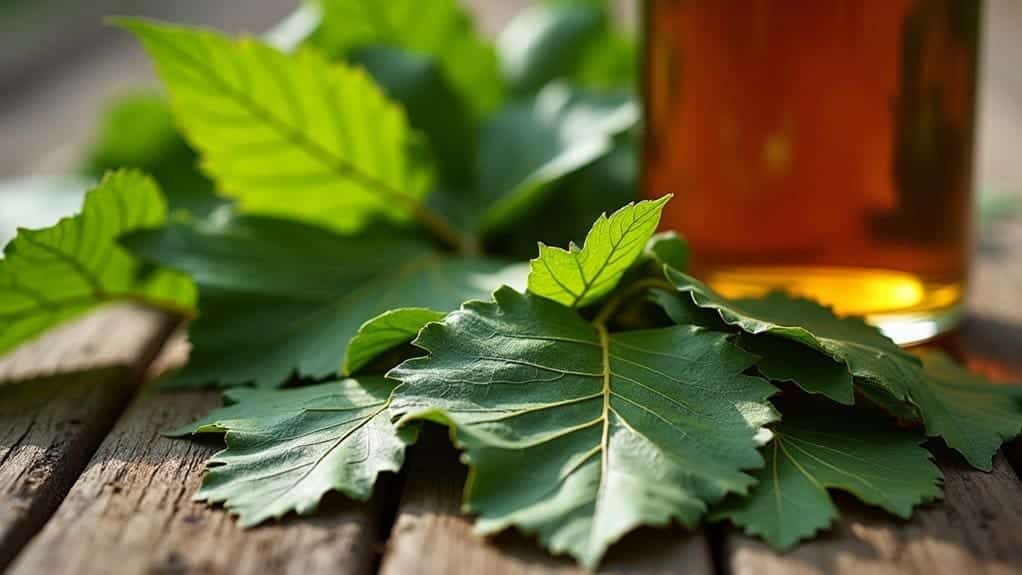
When you sip a Feel Free drink, the kratom leaf extract delivers a complex cocktail of psychoactive alkaloids that interact directly with your brain’s opioid receptors. The primary compounds, mitragynine and 7-hydroxymitragynine, bind to mu-opioid receptors, the same targets activated by morphine.
Understanding mitragynine pharmacology reveals it comprises up to 66% of kratom’s alkaloid content. However, 7 hydroxymitragynine pharmacology proves more concerning: despite representing less than 2% of alkaloids, 7-OH demonstrates substantially greater potency than both mitragynine and morphine. Research has shown that 7-hydroxymitragynine is several times more potent as an analgesic than morphine when taken orally. Notably, both alkaloids demonstrate functional selectivity for G-protein signaling without measurable recruitment of β-arrestin, which may influence their safety profile compared to traditional opioids.
These alkaloids produce dose-dependent effects. You’ll experience stimulation at lower doses, while higher amounts trigger sedation, euphoria, and analgesia. The mu-opioid receptor activation also carries inherent risks, including respiratory depression, CNS suppression, and dependence potential similar to classical opioids. Concentrated 7-OH products are particularly dangerous because they can deliver multiple times the dose found in natural powdered kratom leaf.
Kava Root and How It Promotes Relaxation Through GABA Modulation
Kava root contains kavalactones that enhance your brain’s GABA system through a mechanism distinct from benzodiazepines, they positively modulate GABA_A receptors at a separate binding site, meaning flumazenil won’t block their effects. You’ll experience relaxation because kavalactones show preferential activity at extrasynaptic α4β2δ receptors responsible for tonic inhibition, producing sustained calmness rather than the sharp sedation typical of conventional sedatives. Research has identified that specific amino acid residues like β3N265M are critical for kavain’s modulatory effects on these receptors. Kavain serves as the major constituent of kava extract and plays a significant role in its anxiolytic activity. Clinical trials have demonstrated that kava extract is as effective as buspirone or opipramol for treating generalized anxiety disorder, with approximately 75% response rates and 60% remission rates. This GABA modulation, combined with effects on sodium channels and monoamine systems, creates kava’s characteristic anxiolytic and muscle-relaxant profile that you should approach with awareness of its pharmacological complexity.
GABA Receptor Interaction Mechanism
The kavalactones in kava root tap into your brain’s primary calming system by modulating GABAA receptors, the same targets that benzodiazepines affect, though through a distinct mechanism. Unlike benzodiazepines, kavain and related compounds don’t bind to the classical benzodiazepine site; their effects are flumazenil-insensitive, confirming a separate allosteric pathway.
Research shows kavalactones work through binding site density modulation, increasing the number of GABA binding sites exposed on the receptor. This amplifies your brain’s responsiveness to naturally occurring GABA rather than mimicking it directly. Scientists propose that kava achieves this effect by interacting with membrane lipids surrounding the receptor rather than binding directly to the receptor itself. Kava’s sedative effects actually originate from its action on the limbic system, specifically targeting higher brain centers, including the amygdala complex rather than working solely through GABA receptor mechanisms.
Studies examining GABA subunit selectivity reveal kavain potentiates multiple receptor subtypes, with enhanced effects observed at α4β2δ configurations. This subtype-nonselective positive allosteric modulation explains kava’s anxiolytic properties while differentiating its safety profile from conventional sedatives that target specific receptor configurations. The kavalactone concentrations responsible for these effects are highest when plants are harvested around four years of age, which is why traditional cultivation practices emphasize mature root systems.
Relaxation and Sedation Effects
Beyond receptor binding mechanics, kava’s real-world effects translate into measurable relaxation outcomes. When you consume kava, you’ll typically notice reduced nervous tension within 20–60 minutes, depending on preparation and dosage. Clinical trials demonstrate standardized kava extracts produce substantial anxiety reductions compared to placebo, with effect sizes approaching low-dose benzodiazepines.
You’ll experience kava’s muscle relaxing qualities through its action on voltage-gated sodium and calcium channels, which decrease neuronal excitability and limit excitatory neurotransmitter release. This creates an overall inhibitory tone throughout your central nervous system. Research shows that kavain, a key compound in kava, potentiates GABA receptor responses in a concentration-dependent manner without directly activating the receptors themselves.
Unlike benzodiazepines, kava generally preserves cognitive clarity at moderate doses. You won’t experience marked impairment or amnesia. However, combining kava with alcohol or other CNS depressants considerably increases sedation risks and potential respiratory depression, a critical safety consideration you shouldn’t ignore.
Caffeine From Kola Nut and Its Stimulant Properties
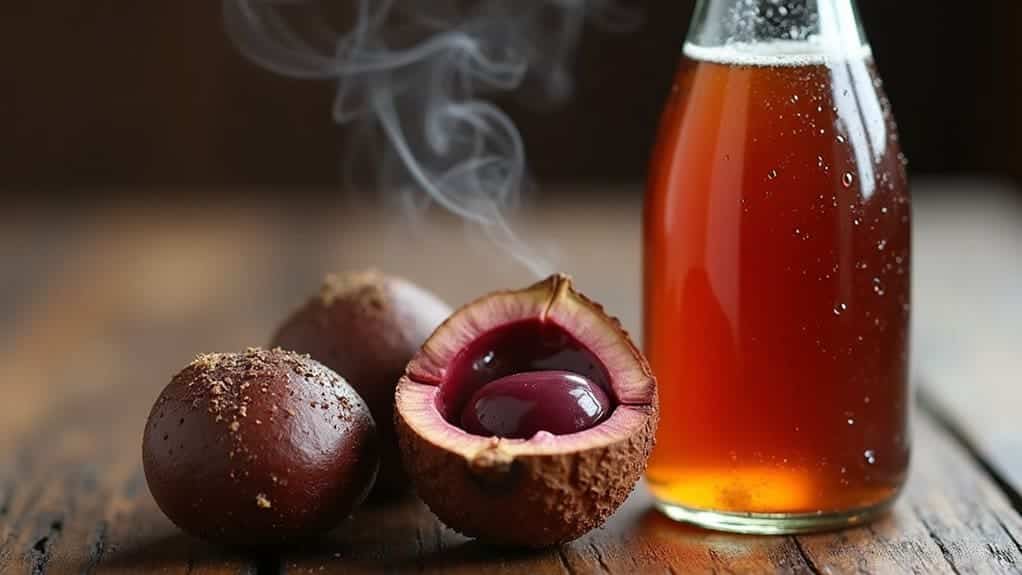
Kola nut delivers caffeine at concentrations of 2–4%, significantly greater than Arabica coffee beans at 0.8–1.4%, making it a potent central nervous system stimulant in Feel Free drinks. When you consume this caffeine, it crosses your blood-brain barrier and blocks adenosine receptors, reducing perceived fatigue while increasing alertness, focus, and coordination. The caffeine from kola nut is released gradually due to the dense, fibrous nature of the nut, which may provide a more sustained energy effect compared to other caffeine sources. Nigeria is the leading producer of kola nuts, where consumers have traditionally obtained these stimulant benefits by chewing the fresh nuts directly. However, you should be aware that caffeine’s stimulant properties also carry risks, including amplified heart rate, increased blood pressure, and digestive effects like heightened gastric acid secretion. The caffeine in kola nut may also act as a bronchodilator, potentially opening airways and improving breathing for individuals with respiratory conditions like asthma.
How Caffeine Works
When you consume Feel Free, the caffeine derived from kola nut enters your bloodstream and begins blocking adenosine receptors in your brain, primarily the A2A subtype, which prevents the drowsiness signal that adenosine normally triggers. Your caffeine absorption rate depends on factors like stomach contents and individual metabolism, but effects typically begin within 15-45 minutes.
Once absorbed, caffeine metabolism pathways primarily involve CYP1A2 enzymes in your liver. Kola nut caffeine inhibits this same enzyme, which can affect how your body processes other drugs and xenobiotics. This interaction creates potential safety concerns if you’re taking medications metabolized through identical pathways.
The adenosine blockade increases neuronal firing, releases dopamine, and stimulates your central nervous system, producing alertness, reduced fatigue, and enhanced focus that Feel Free users commonly report. The benefits of kola nut are mostly connected to its high caffeine content, which increases energy and reduces hunger.
Energy and Alertness Effects
Each serving of Feel Free’s caffeinated formulas delivers approximately 100 mg of caffeine from kola nut, roughly equivalent to a small-to-medium cup of coffee. This dose reaches peak blood levels within 30–60 minutes, producing noticeable improvements in wakefulness and vigilance.
At this concentration, you’ll likely experience focus enhancement and a productivity boost, particularly if you’re sleep-restricted or working through afternoon energy dips. Caffeine achieves these effects by blocking adenosine receptors, reducing drowsiness and sharpening reaction time. The capsule format makes it easy to consume on-the-go whenever you need that mental edge throughout your day.
Kola nut also contains theobromine and theophylline, milder stimulants that may smooth your energy curve compared to pure caffeine sources. However, timing matters: consuming Feel Free too late in the day can disrupt sleep onset and quality, ultimately undermining the alertness benefits you’re seeking the following day. It’s also worth noting that Feel Free’s main ingredients include kava and kratom, and combining these with caffeine raises health concerns due to the lack of standardized safety testing for such supplement combinations.
Potential Side Effects
Although kola nut caffeine delivers the alertness benefits described above, it also carries dose-dependent risks you shouldn’t ignore. When you consume kola nut alongside coffee, tea, or energy drinks, you can unknowingly exceed the 400 mg daily caffeine threshold, triggering adverse reactions.
Key side effects include:
- Cardiovascular stress – heightened blood pressure, heart palpitations, and arrhythmias that may exacerbate existing heart conditions
- Nervous system overstimulation – anxiety, jitteriness, insomnia, and headaches from excessive sympathetic activation
- Gastrointestinal disturbances – increased gastric acid secretion causing heartburn and stomach upset
- Respiratory distress – rapid breathing patterns associated with severe caffeine toxicity
Animal studies indicate caffeine’s oral toxicity classification at LD₅₀ approximately 127 mg/kg. You should monitor total caffeine intake carefully, especially if you’re managing hypertension or cardiac conditions.
Lion’s Mane Mushroom and Potential Cognitive Benefits
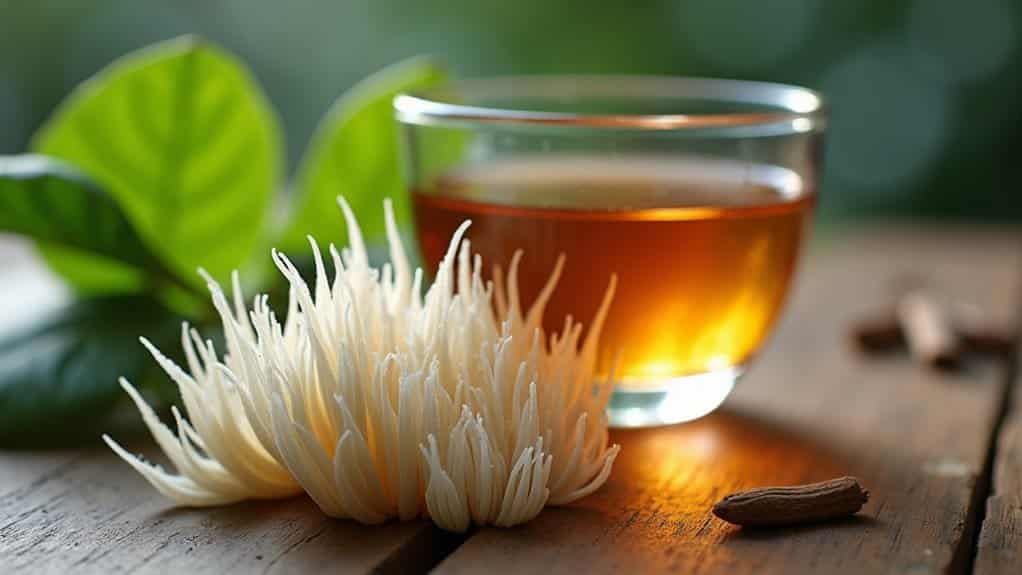
Lion’s mane mushroom (Hericium erinaceus) has gained significant attention for its potential cognitive-enhancing properties, driven by preclinical research showing its bioactive compounds, hericenones from the fruiting body and erinacines from the mycelium, can stimulate nerve growth factor (NGF) synthesis in brain tissue.
Human clinical trials show promise for mild cognitive impairment treatment. A four-month RCT demonstrated significant cognitive improvements in older adults, though benefits reversed after discontinuation. A 49-week study in patients with mild Alzheimer’s disease found 1 g/day slowed Alzheimer’s disease progression compared to placebo.
In healthy adults, a 28-day trial using 1.8 g/day improved processing speed and reduced stress. However, evidence remains preliminary due to small sample sizes and inconsistent formulations. You should recognize these findings as promising but requiring further validation.
Rhodiola Rosea as an Adaptogen for Stress Resilience
Rhodiola rosea functions as an adaptogen by modulating your HPA axis and cortisol dynamics, helping your body mount more efficient stress responses rather than simply suppressing them. You’ll find its fatigue-fighting properties stem from multiple mechanisms, including inhibition of monoamine oxidases that increase serotonin, dopamine, and norepinephrine availability in your brain. Clinical evidence suggests these effects are most pronounced when you’re under stress load, with limited benefits observed in well-rested, non-stressed conditions.
Stress Reduction Mechanisms
When your body encounters stress, whether physical, emotional, or environmental, Rhodiola rosea works by modulating the hypothalamic-pituitary-adrenal (HPA) axis, the central command system governing your stress response. This adaptogen reduces cortisol output and dampens corticotropin-releasing factor expression, helping normalize your hormonal reactions to stressors.
Research identifies several key mechanisms:
- HPA axis regulation — maintains appropriate cortisol levels rather than suppressing them entirely
- Monoamine preservation — inhibits MAO-A and COMT enzymes, sustaining serotonin, dopamine, and norepinephrine availability
- Neuropeptide-Y stimulation — enhances this stress-coping peptide linked to anxiolysis and resilience
- Cellular protection — provides oxidative stress reduction and anti apoptotic mechanisms in brain regions like the hippocampus and prefrontal cortex
These combined effects result in lower perceived stress, improved emotional stability, and enhanced cognitive function during demanding situations.
Fatigue-Fighting Properties
How effectively can an adaptogen combat the persistent drain of chronic fatigue? Clinical evidence demonstrates Rhodiola rosea produces measurable anti-fatigue effects, with studies showing approximately 30% reduction in fatigue scores within four weeks at 576 mg/day. You’ll notice benefits can emerge within one week, including improved cognitive performance under fatigue, particularly enhanced concentration, alertness, and processing speed during high-stress conditions.
Research on night-shift physicians confirms Rhodiola’s relevance for sleep-disrupted populations, showing reduced fatigue and sharper mental performance. For physical demands, the evidence supports enhanced physical endurance and recovery through mechanisms including optimized glycogen storage and reduced post-exercise muscle damage markers. Study participants consistently report lower perceived exertion and increased vigor during exercise. These findings position Rhodiola as a clinically validated option for addressing both mental and physical fatigue dimensions.
Coconut Cream and Its Role in Nutrient Absorption
Coconut cream serves as more than a flavor component in Feel Free, it functions as a lipid-based delivery system that enhances absorption of fat-soluble nutrients. The concentrated fat matrix triggers micelle formation enhancement in your intestines, which directly improves vitamin A bioavailability along with vitamins D, E, and K.
Medium-chain triglycerides in coconut cream follow a unique absorption pathway, they’re transported via the portal vein directly to your liver, bypassing the slower lymphatic route.
Key absorption benefits of coconut cream:
- Increases bile secretion, supporting mixed-micelle formation for hydrophobic vitamin uptake
- Provides rapid MCT absorption without requiring the carnitine shuttle
- Delivers potassium, magnesium, and phosphorus that support intestinal transport processes
- Creates a carrier phase that solubilizes lipophilic compounds for improved bioaccessibility
Pineapple Juice and Stevia as Natural Sweetening Agents
Although coconut cream enhances nutrient absorption through its lipid matrix, Feel Free relies on pineapple juice and stevia to address an equally important formulation challenge, masking the naturally bitter, earthy flavors of kava and kratom while maintaining a “naturally sweetened” label.
Pineapple juice contributes fructose, glucose, and organic acids that balance sweetness with tartness, effectively improving palatability. However, you should note that frequent consumption carries dental enamel demineralization risk due to the acidic sugar combination. Additionally, high intakes may aggravate acid reflux and fructose malabsorption in susceptible individuals.
Stevia glycosides provide 200–300 times sucrose’s sweetness without raising blood glucose or insulin levels. This non-caloric sweetener allows Feel Free to maintain its sugar-free positioning while delivering the intense sweetness needed to counteract botanical bitterness without relying on artificial alternatives.
Vitamin C and Potassium Content for Basic Nutritional Support
Beyond sweetening agents, Feel Free’s fruit juice components deliver measurable micronutrients that distinguish it from purely botanical preparations. Each 2-oz shot contains approximately 24 mg of vitamin C (27% DV) and 169 mg of potassium (4% DV), providing general nutritional benefits alongside the botanical ingredients.
Key micronutrient contributions:
- Vitamin C functions as a water-soluble antioxidant, protecting cells from oxidative damage
- Potassium supports cellular membrane potential as a major intracellular electrolyte
- Vitamin C enables nutrient absorption enhancement by improving non-heme iron uptake from plant foods
- Both nutrients remain well below tolerable upper intake levels, posing minimal safety concerns
You’ll find these amounts comparable to a small serving of fruit juice. The 24 mg vitamin C contribution represents roughly one-quarter of the adult RDA (75–90 mg/day).
The Combined Effects of Multiple Psychoactive Botanicals
When multiple psychoactive botanicals enter your system simultaneously, their effects don’t simply add together, they interact through overlapping neurochemical pathways that can amplify, modify, or mask individual responses. The synergistic neuropharmacological interactions between kava’s GABAergic activity and kratom’s opioid receptor engagement create complex, dose-dependent profiles ranging from stimulation to pronounced sedation.
Understanding adaptogenic herb combination dynamics becomes critical when rhodiola and lion’s mane enter the equation. These compounds can counteract kava-related sedation through monoaminergic modulation while potentially supporting cognitive clarity via NGF expression.
However, this botanical complexity carries significant risks. Stimulant-sedative opposition may blunt your perceived intoxication, encouraging overconsumption. Multi-ingredient formulas complicate accurate self-assessment of impairment, and chronic combined exposure has been associated with dependency syndromes featuring withdrawal characteristics from multiple botanical classes.
Safety Considerations and Risks of Regular Consumption
Given that Feel Free combines two psychoactive botanicals with distinct pharmacological profiles, regular consumption introduces layered safety concerns that demand careful evaluation.
You should recognize these primary risks:
- Hepatotoxicity: Both kava and kratom have documented associations with drug-induced liver injury, and their combination may intensify metabolic strain on hepatic pathways, amplifying liver disease concerns.
- Dependence development: Kratom’s opioid receptor activity creates tolerance and withdrawal syndromes, while kava may foster psychological dependence.
- Drug interactions with pharmaceuticals: Both botanicals can potentiate CNS depressants, increasing sedation and respiratory depression risks.
- Cardiovascular effects: Kratom can trigger tachycardia and QT interval changes, particularly dangerous if you have underlying heart conditions.
You shouldn’t overlook these compounding risks with long-term use.
Compassionate Care Is Just One Call Away
Frequently Asked Questions
Can Feel Free Drink Cause Withdrawal Symptoms if I Stop Using It?
Yes, you can experience potential withdrawal symptoms if you stop using Feel Free after regular use. The kratom in this product acts on opioid receptors, creating physical dependence over time. Discontinuation effects typically include anxiety, muscle aches, insomnia, irritability, and fatigue, appearing within 12–24 hours after your last dose. Your risk increases with higher daily consumption. You should consider tapering gradually rather than stopping abruptly to minimize these symptoms.
Is Feel Free Drink Legal in All U.S. States?
No, Feel Free drink isn’t legal in all U.S. states. The legal status of Feel Free drink across different U.S. states varies because kratom is banned in Alabama, Arkansas, Indiana, Rhode Island, Vermont, and Wisconsin. Some cities have additional local restrictions. Regarding whether Feel Free drink is regulated by the FDA, it’s marketed as a dietary supplement, not an FDA-approved product. You should verify your state’s current laws before purchasing.
How Does Feel Free Compare to Drinking Alcohol for Relaxation?
Feel Free offers stress reduction benefits through kava’s GABA activity and kratom’s opioid-receptor effects, giving you focused calm rather than alcohol’s cognitive impairment. You’ll likely experience mood improvement potential without the typical intoxication or hangovers. However, you’re trading well-documented alcohol risks for poorly studied long-term effects. Both carry dependence risks, kratom’s withdrawal mimics opioids, while alcohol causes physical dependency. Neither option is risk-free for regular relaxation use.
Can I Take Feel Free With My Prescription Medications Safely?
You shouldn’t take Feel Free with prescription medications without consulting your doctor first. The kava and kratom in Feel Free can cause serious drug interactions with CNS depressants, antidepressants, and heart medications by affecting CYP450 enzymes. Potential side effects include excessive sedation, liver damage, and cardiovascular instability. Since Feel Free lacks FDA-approved dosing standards, your healthcare provider can’t reliably predict how it’ll interact with your specific medications.
How Long Do the Effects of Feel Free Drink Typically Last?
The effects of Feel Free drink typically last several hours, with most users experiencing peak mood-lifting and relaxing sensations within the first 1–2 hours, followed by a gradual taper over 3–4 hours. However, effects vary person to person based on your metabolism, body weight, stomach contents, and tolerance level. You should avoid driving or operating machinery for at least 4–6 hours after consumption, as pharmacological activity can outlast noticeable subjective effects.