






Treating alcohol dependence disorder starts with medical detoxification, where healthcare providers safely manage withdrawal symptoms using medications like benzodiazepines. You’ll then engage in evidence-based therapies such as cognitive behavioral therapy and motivational interviewing to build coping skills. FDA-approved medications like naltrexone or acamprosate can reduce cravings and support abstinence. Your treatment setting—whether outpatient or residential—depends on your specific needs. Understanding each phase of recovery helps you navigate the path toward lasting sobriety.
Medical Detoxification and Managing Acute Withdrawal Symptoms

When you’ve made the decision to stop drinking after prolonged alcohol use, medical detoxification provides the safest path through withdrawal. Your body has adapted to alcohol’s presence, and stopping abruptly can trigger symptoms ranging from tremors and anxiety to life-threatening seizures and delirium tremens within 6 to 72 hours.
During medical detox, healthcare teams employ withdrawal symptom monitoring through continuous important sign checks and standardized assessment scales. This vigilance allows early detection of complications. Medication management protocols typically include benzodiazepines as first-line treatment, administered on fixed or symptom-triggered schedules to prevent seizures and reduce withdrawal severity.
Detox isn’t standalone treatment—it’s your critical first step. Once you’re stabilized, you’ll be prepared to enter extensive rehabilitation services for sustained recovery. Studies show that comprehensive detox programs combining medication and psychological services lead to increased treatment retention and better long-term outcomes overall. The complete alcohol detox process generally follows a timeline of approximately 7-10 days, after which most physical symptoms begin to subside. Research indicates that about one-half of patients who complete detoxification remain abstinent six months later, highlighting the importance of continuing into long-term rehabilitation treatment.
Evidence-Based Behavioral Therapies for Lasting Recovery
Several evidence-based behavioral therapies can help you build the skills and motivation needed for lasting recovery from alcohol dependence. Cognitive behavioral therapy (CBT) stands out as one of the most effective treatments, teaching you to identify high-risk situations, manage cravings, and develop healthier coping strategies. CBT promotes self-awareness and addresses unhelpful behaviors by helping you understand how your thoughts, emotions, and actions are interconnected. Digital CBT accessibility has expanded treatment options, with programs showing over 50% increases in days abstinent when paired with brief clinical support.
Motivational interviewing as an engagement strategy helps you explore ambivalence and strengthen your commitment to change, particularly when you’re uncertain about recovery. Additional approaches like acceptance- and mindfulness-based interventions can complement these core therapies and bring lasting positive change.
| Therapy | Key Benefit |
|---|---|
| CBT | Builds practical coping skills |
| Digital CBT | Increases access and flexibility |
| Motivational Interviewing | Enhances internal motivation |
| Combined Approaches | Improves long-term outcomes |
| Skills Training | Reduces relapse risk |
FDA-Approved Medications That Support Alcohol Use Disorder Treatment
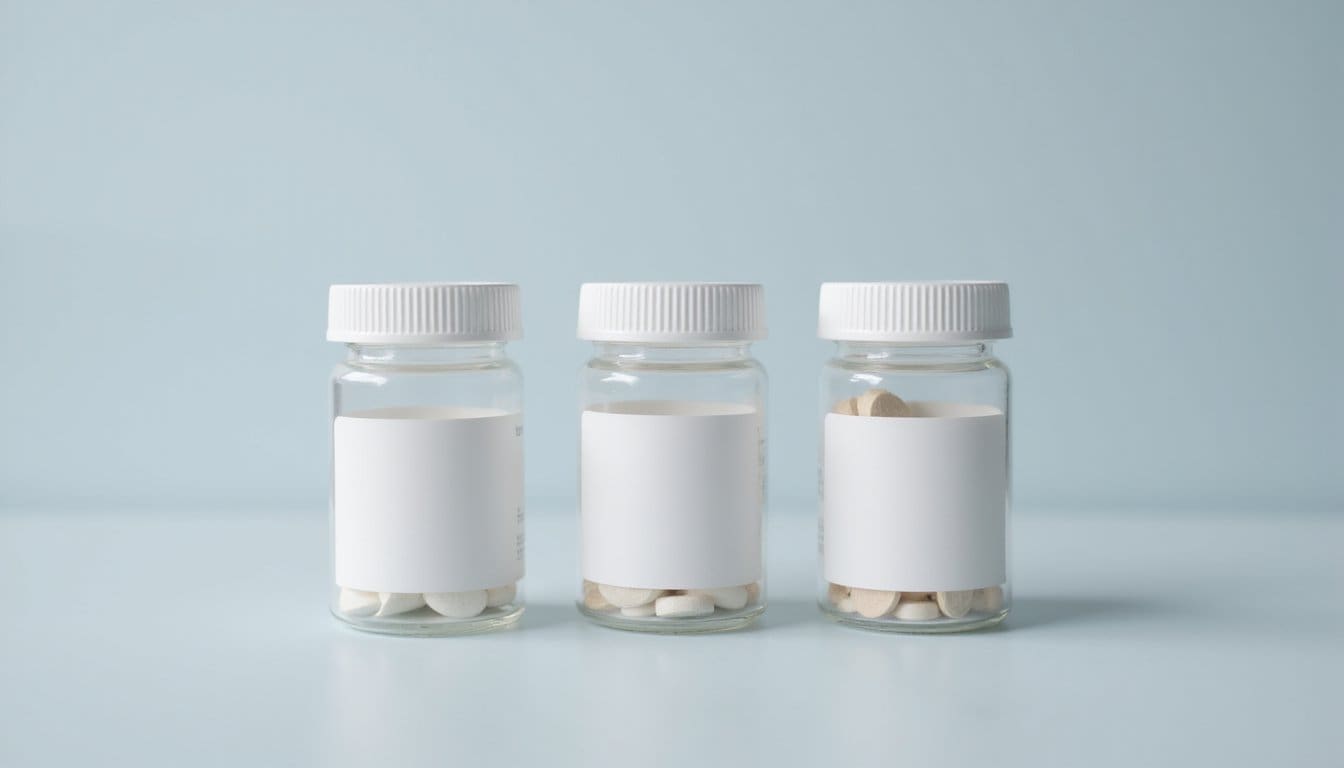
Beyond behavioral therapies, three FDA-approved medications—naltrexone, acamprosate, and disulfiram—can greatly strengthen your recovery from alcohol use disorder.
Naltrexone blocks alcohol’s rewarding effects and reduces cravings. Available as a daily 50 mg tablet or monthly injection, it works best when you’ve achieved several days of abstinence first. The injectable form, known as Vivitrol, uses biodegradable PLG polymer microspheres to provide month-long extended release, which may improve treatment adherence. Acamprosate helps maintain abstinence by calming overactive brain pathways linked to withdrawal. You’ll take 666 mg three times daily, though dosage adjustments are necessary if you have kidney impairment. Disulfiram deters drinking by causing unpleasant reactions if you consume alcohol, making it ideal for highly motivated individuals with strong accountability. Disulfiram was the first drug approved to treat alcoholism, receiving FDA approval in 1949.
These medications aren’t cures—they’re tools that work alongside counseling. Your medication adherence profoundly impacts outcomes. Despite their effectiveness, fewer than 9% of adults with AUD receive them. Research shows that patients who receive pharmacologic treatment for AUD have lower odds of developing alcohol-related liver disease compared to those who don’t receive medication.
Choosing the Right Level of Care and Treatment Setting
The right treatment setting depends on your unique circumstances—not just how much you drink. Clinicians evaluate your withdrawal risk, co-occurring medical or psychiatric conditions, interpersonal support systems, and recovery environment. Your financial stability, employment obligations, and housing situation also guide placement decisions.
| Level of Care | Intensity | Best For |
|---|---|---|
| Outpatient/IOP | 1–12 hours weekly | Mild AUD, stable home environment |
| Partial Hospitalization | ~25 hours weekly | IOP nonresponse, need for structure |
| Residential/Inpatient | 24-hour supervision | Severe AUD, unsafe home, high relapse risk |
Treatment isn’t one-size-fits-all. You may step up to higher intensity if you relapse or step down as you stabilize. This flexible approach aligns with the ASAM continuum of care, which organizes substance abuse treatment into five distinct levels that patients move through based on their changing needs. Research shows treatment engagement of at least 90 days produces better outcomes. A complete assessment by a qualified professional guides the appropriate level of care for your specific situation.
Building Long-Term Recovery Through Continuing Care and Support Systems

Completing initial treatment marks a significant milestone, but lasting recovery requires ongoing support well beyond those first weeks or months. Research shows that continuing care—including regular check-ups, booster sessions, and step-down counseling—significantly reduces relapse risk compared to abrupt treatment termination.
Key elements supporting long-term recovery include:
- Peer based recovery communities like AA or SMART Recovery, which reinforce coping skills and accountability
- Recovery supportive environments with family members who reduce enabling behaviors and alcohol availability
- Non-using social networks that decrease exposure to high-risk drinking situations
- Professional monitoring that identifies emerging risks before full relapse occurs
Building strong self-efficacy and active coping strategies predicts better outcomes years into recovery. Research tracking individuals over 16 years found that those who did not obtain help were more likely to relapse even after achieving initial remission. Encouragingly, research indicates that approximately 75% of people who experience a substance use problem eventually achieve recovery. You’ll benefit most when you combine professional continuing care with supportive relationships and structured community connections. However, it’s important to note that fewer than 25% of people with alcohol use disorder actually utilize alcohol-focused services, highlighting a significant gap between those who need help and those who receive it.
Frequently Asked Questions
How Long Does Full Recovery From Alcohol Dependence Typically Take?
Your recovery duration varies considerably based on individual factors. Physical withdrawal typically resolves within 1–2 weeks, but full recovery often takes years. Research shows the average treatment timeline from dependence to stable recovery spans approximately 27 years, though you’ll likely experience meaningful improvements much sooner. About 58% of people with chronic dependence achieve sustained recovery. After 5+ years of abstinence, you can expect quality-of-life scores matching or exceeding the general population.
Can Alcohol Use Disorder Be Cured or Only Managed?
AUD is generally managed rather than permanently cured. You can achieve lasting recovery through ongoing relapse prevention strategies and long-term lifestyle changes, but underlying vulnerability typically persists. Clinicians describe successful outcomes as “in remission” or “sustained recovery” rather than cured. With continued support—including therapy, medication, and mutual-help groups—you can maintain stable abstinence and greatly improve your quality of life, even though lifelong management remains the standard approach.
What Happens if Someone Relapses During Treatment?
If you relapse during treatment, your clinical team won’t view it as failure—they’ll reassess your needs and adjust your care. You’ll receive a medical evaluation for withdrawal management and safety concerns. Treatment typically intensifies rather than stops, adding stronger cravings management strategies, medication adjustments, and more frequent support. Clinicians will analyze what triggered the relapse to address gaps in your plan, helping you re-engage quickly and continue your recovery journey.
Does Insurance Cover Alcohol Dependence Treatment Programs?
Yes, most insurance plans cover alcohol dependence treatment at least partially. Under the Affordable Care Act, mental health and substance use services are essential benefits, so your plan likely includes detox, rehab, and counseling. However, insurance policy limitations vary—you may face deductibles, co-pays, or visit caps. Treatment program costs depend on your specific coverage and whether you choose in-network providers. Contact your insurer directly to verify your benefits before starting treatment.
How Do I Help a Loved One Who Refuses Treatment?
You can support your loved one by setting boundaries that protect your well-being while keeping the door open for treatment. Consider learning CRAFT techniques, which use positive reinforcement for sober behavior and have higher success rates than confrontation. Staging an intervention with professional guidance may help if they’re denying the severity. Meanwhile, join a support group like Al-Anon for yourself—caring for your mental health strengthens your ability to help.