






THC microdosing involves consuming 1–5 mg of tetrahydrocannabinol to gently activate your endocannabinoid system’s CB1 and CB2 receptors without triggering psychoactive effects. You’ll experience subtle benefits like mood support and mild pain relief while minimizing tolerance buildup. However, your response depends on genetic variations, metabolic rate, and prior cannabis experience. Risks include unintended highs if you’re a beginner or sub-therapeutic effects if you’re tolerance-adapted. Below, you’ll find precise protocols for establishing your ideal dose.
What Is THC Microdosing and Why Start at 1–5 Mg?
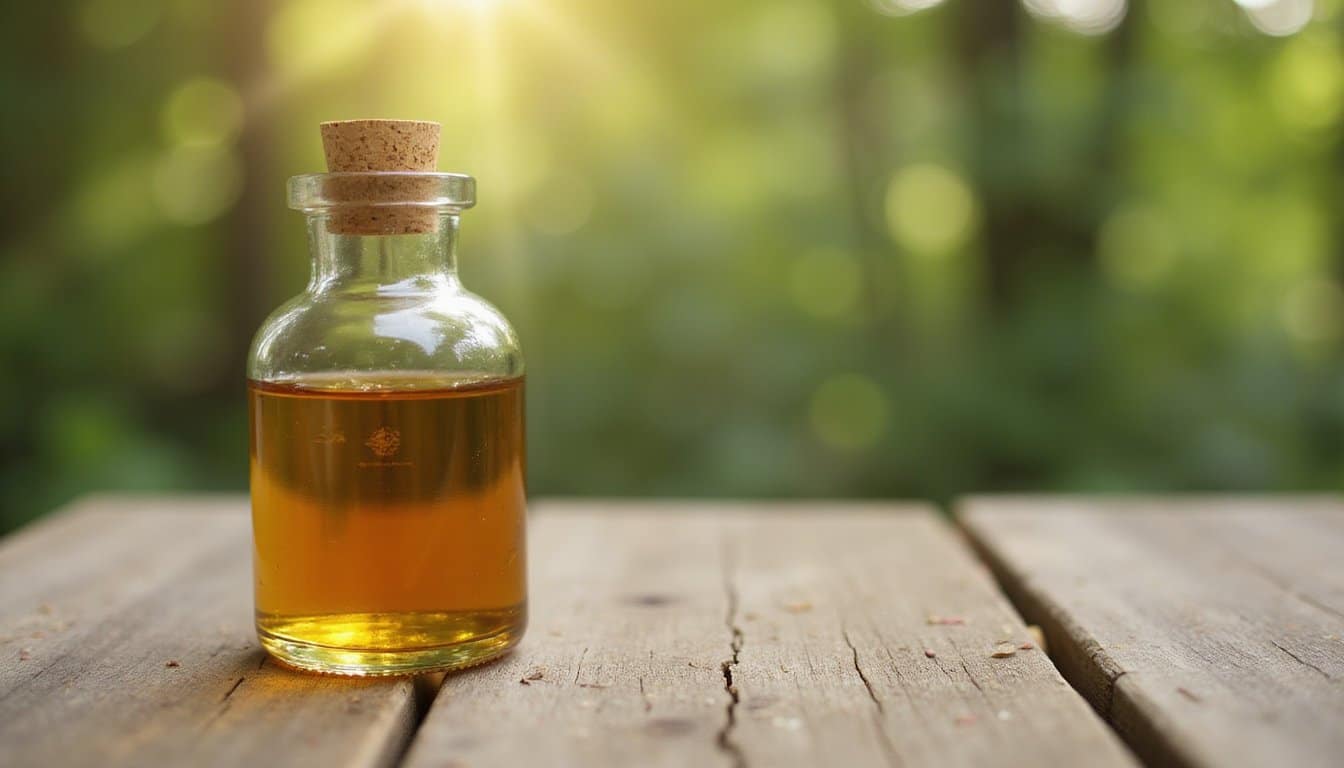
THC microdosing refers to consuming tetrahydrocannabinol in doses of 1-5 mg—significantly below the standard 5-10 mg threshold found in most commercial products. This approach aims to subtly modulate your endocannabinoid system while preserving daily functioning and minimizing unintended side effects.
Starting at the lower end of this range accounts for individual sensitivity variations and helps you identify your personal tolerance threshold. Low-dose cannabis delivers therapeutic effects—including mood support and mild pain relief—without the cognitive impairment associated with higher amounts. Many users find this approach offers a middle path between complete abstinence and full-dose consumption that might feel overwhelming. This method also reduces tolerance build-up compared to consuming higher doses regularly, allowing you to maintain effectiveness over time.
Product inconsistencies and variable labeling across manufacturers make precise dosing challenging. You’ll achieve more reliable outcomes by selecting measured tinctures, low-potency gummies, or calibrated capsules. This controlled starting dose allows accurate tracking before any upward adjustment becomes necessary.
How THC Microdoses Work in Your Body
When you consume a microdose of THC, the compound enters your bloodstream and interacts with your endocannabinoid system (ECS)—a regulatory network that maintains homeostasis across mood, pain perception, appetite, and immune function.
THC binds primarily to CB1 receptors in your brain and CB2 receptors in your immune system. This binding triggers subtle neurotransmitter release without overwhelming your natural endocannabinoids. The resulting neuronal activity influences mood regulation, cognition, and pain sensation while preserving mental clarity. When combined with other cannabinoids and terpenes, THC benefits from the entourage effect, which enhances therapeutic outcomes synergistically.
At sub-perceptual doses under 5mg, THC activates your amygdala to modulate stress responses and influences dopamine and serotonin pathways. Research indicates 0.5mg THC can reduce chronic pain intensity, with 63.64% of study participants reporting anxiety reduction. This balanced dopamine modulation may also support divergent thinking and creativity. These effects occur because microdoses navigate your ECS precisely, avoiding the psychoactivity that larger doses produce.
Why THC Microdoses Affect Everyone Differently
Your response to THC microdosing depends heavily on your unique endocannabinoid system, which varies in receptor density and sensitivity from person to person. Metabolic rate differences affect how quickly your body processes and eliminates THC, influencing both the intensity and duration of effects you experience. Prior cannabis experience also plays a critical role, as regular users develop tolerance that requires dosage adjustments compared to cannabis-naive individuals. Body weight is another important factor that influences your ideal microdose amount, which is why beginners are advised to start with just 1 mg and gradually increase as needed. Cannabis follows a dose-response curve, meaning that effects don’t always scale linearly, and low doses may gently stimulate your system while higher amounts could produce unwanted effects like anxiety or sedation.
Endocannabinoid System Variations
Have you ever wondered why your friend feels perfectly balanced on a 2-milligram THC microdose while the same amount leaves you feeling anxious or impaired? The answer lies in genetic variants affecting your endocannabinoid system.
Research shows eQTL analysis reveals 15–100% variance in gene expression due to genetic differences. The FAAH gene polymorphism C385A, carried by 38% of European descent individuals, destabilizes the FAAH protein and increases anandamide levels, directly impacting how you process cannabinoids. Similarly, rare variants in CNR1 and CNR2 genes alter pain sensitivity and neurological responses. Notably, heterozygous rare coding variants in CNR1 have been significantly associated with clinical endocannabinoid deficiency syndrome phenotypes, including pain sensitivity, sleep and memory disorders, and anxiety.
Tissue-specific regulation adds another layer—your skin, brain, and reproductive organs each respond differently based on genetic influences. Notably, research has found fewer eQTLs associated with the female reproductive system compared to other physiological systems, suggesting unique genetic regulation in reproductive tissues. These phenotypic impacts extend to neurodevelopment, where variants in genes like DAGLA and MGLL affect 2-AG degradation and neural function.
Metabolic Rate Differences
Beyond genetic variations in your endocannabinoid system, metabolic rate differences play an equally significant role in determining how THC microdoses affect you. Your liver enzyme activity, particularly CYP2C9 enzymes, directly influences THC metabolism and determines whether you’ll experience stronger or weaker effects from identical doses.
| Factor | Impact on THC Response |
|---|---|
| Fast metabolism | Quicker onset, shorter duration |
| Slow metabolism | Delayed absorption, prolonged effects |
| High liver enzyme activity | Reduced potency, faster processing |
| Low liver enzyme activity | Intensified effects, extended duration |
| Body weight | Higher weight typically requires larger doses |
Your consumption method also matters. Edibles undergo extensive liver processing, where Delta-9 THC converts into 11-Hydroxy-THC, a more potent compound that contributes to their reputation for hitting harder and lasting longer. Meanwhile, tinctures and vaporizing bypass first-pass metabolism, offering faster absorption. These variables necessitate personalized dosing adjustments to achieve consistent therapeutic outcomes. Additionally, your dietary omega-6 to omega-3 ratio affects your baseline endocannabinoid tone, since the modern western diet’s elevated omega-6/omega-3 ratio of 20:1 or more increases endocannabinoid signals that may influence how your body responds to THC microdoses.
Prior Cannabis Experience
Whether you’ve never touched cannabis or consumed it regularly for years, your prior exposure history fundamentally shapes how THC microdoses interact with your endocannabinoid system.
Prior cannabis use directly impacts receptor sensitivity and tolerance buildup. Experienced users often find their CB1 receptors downregulated, requiring doses of 3-5mg to achieve effects that beginners notice at just 1mg. This individual response variability means novices are highly sensitive to cognitive and mood shifts, while veteran consumers report muted therapeutic responses from identical amounts. Microdose servings can vary by almost 5 milligrams due to these individual differences in response.
Your psychoactive threshold shifts based on exposure history. Beginners risk unintended highs from standard microdoses, whereas tolerant individuals may need to gradually adjust upward to avoid sub-therapeutic underdosing. To minimize unwanted effects, track your dose adjustment needs carefully—those with extensive cannabis history typically require faster titration protocols than newcomers exploring microdosing for the first time.
How to Find Your Ideal THC Microdose
Finding your ideal THC microdose requires a systematic approach that minimizes risk while maximizing therapeutic benefit. You’ll want to begin with the lowest effective amount—typically 1 to 2.5 milligrams for beginners—and increase by 0.5 to 1 milligram every three to four days while carefully monitoring your body’s response. Tracking variables like mood, focus, tension levels, and any side effects in a journal helps you identify the minimum dose that produces desired effects without impairing daily function. Understanding the biphasic nature of cannabis is essential, as higher doses can produce opposite effects from lower doses, making careful titration crucial for success. Keep in mind that your body can develop tolerance based on frequency of consumption, which may require periodic adjustments to maintain your ideal microdose over time.
Start Low, Go Slow
Because individual responses to THC vary dramatically based on body weight, metabolism, and prior cannabis exposure, establishing your ideal microdose requires a systematic approach rather than guesswork. When microdosing THC, your standard starting dose should be 1-2 mg, targeting subtle effects like mild relaxation and anxiety relief without impairment. This approach is particularly beneficial for those managing chronic conditions who need symptom relief without drowsiness, paranoia, or impaired cognition that can interfere with daily responsibilities. Keeping a detailed consumption diary helps you track your responses and refine your dosage over time for optimal results.
Protocol for Dose Calibration:
- Begin at 1-2 mg and maintain this level for several days before adjusting
- Increase by 1 mg increments until you achieve stress reduction and desired physiological processes modulation
- Wait 90 minutes with edibles (slower onset, longer-lasting effects) or 15-30 minutes with tinctures before evaluating
- Use tinctures for precise dose control or pre-measured edibles for consistency
This methodical titration prevents overshooting your therapeutic window while identifying your minimum effective dose.
Track Your Body’s Response
How effectively you respond to THC microdosing depends entirely on the data you collect about your own physiological and psychological reactions. Without standardized medical guidance, you must become your own researcher when microdosing cannabis.
Track each dose in milligrams, recording the exact time and consumption method. Rate your baseline symptoms before taking this psychoactive compound, then reassess at 30-minute, one-hour, and two-hour intervals. Document whether you experience reduced anxiety, improved sleep, or enhanced focus—your primary therapeutic targets.
Monitor for signs you’ve exceeded a sub-perceptual amount: foggy thinking, dizziness, or racing thoughts. These indicators suggest your small doses need adjustment. Note that individuals with substance use disorders should avoid this practice entirely. Your consumption diary reveals patterns that optimize outcomes while minimizing adverse effects through precise, data-driven refinement.
Edibles vs. Tinctures vs. Vaping: Dosing Control Compared
When comparing dosing control across consumption methods, each approach offers distinct advantages and limitations for microdosing precision. Tinctures offer the most precise cannabis dosing through dropper measurements, allowing adjustments as small as 0.25 mL or single drops. Edibles provide fixed dosages per serving but limit flexibility, while vaping requires trial and error since potency varies per puff.
Tinctures deliver unmatched dosing precision for microdosing, while edibles and vaping trade control for convenience and faster effects.
Key Differences Across Methods:
- Onset times: Vaping activates within minutes, tinctures require 15-45 minutes for sublingual absorption, and edibles take 30-90 minutes due to metabolism processing.
- Duration: Edibles last 6-8 hours, tinctures 4-6 hours, and vaping 1-3 hours.
- Beginner dosing: Start with 1-2.5 mg for tinctures, 2.5-5 mg for edibles, or 1-2 puffs when vaping.
- Adjustment precision: Tinctures allow 1 mg increments; edibles and vaping offer less control.
Can THC Microdosing Help With Anxiety, Pain, or Sleep?
Understanding delivery methods and dosing control sets the foundation, but the real question remains: does THC microdosing actually produce measurable therapeutic effects?
Research indicates THC exhibits dose-dependent effects across multiple conditions. For anxiety relief, studies show 7.5 mg reduced stress post-psychosocial testing, while 12.5 mg increased anxiety and negative mood. Daily doses up to 3 mg decreased anxiety symptoms over one month without adverse effects. Research indicates THC exhibits dose-dependent effects across multiple conditions. If you’re wondering does microdosing thc help anxiety, the evidence suggests lower amounts may be beneficial for some individuals. For example, studies show 7.5 mg reduced stress after psychosocial testing, while 12.5 mg increased anxiety and negative mood. Daily doses up to 3 mg decreased anxiety symptoms over one month without adverse effects.
When THC binds to cannabinoid receptors, it modulates serotonin and dopamine release, influencing mood regulation. For pain management, microdosing substantially reduced neuropathic pain and inflammation without cognitive impairment in clinical observations.
Sleep improvement also shows promise—low doses induce relaxation without morning grogginess. However, you should note these findings come from limited studies, and individual responses vary based on sensitivity, metabolism, and prior cannabis exposure.
Is THC Microdosing Safe for You?
Although THC microdosing offers potential therapeutic benefits, its safety profile depends heavily on individual factors that vary dramatically from person to person. Your body weight, metabolism, and prior cannabis use all influence how you’ll process even minimal THC amounts. Genetic variations in endocannabinoid system sensitivity mean identical doses produce vastly different effects across individuals.
Key safety considerations include:
- Starting dose recommendations suggest beginning at 1 mg and adjusting gradually
- Age and cognitive development affect how your brain responds to THC exposure
- Sensitivity to psychoactive effects varies widely, with some experiencing anxiety at well-tolerated doses
- Pregnant women and breastfeeding women should avoid microdosing entirely due to unknown developmental effects
You should consult healthcare providers before beginning any THC regimen, particularly if you have pre-existing conditions.
Side Effects to Watch for When Microdosing THC
Even at carefully controlled doses, THC microdosing can trigger side effects that range from mild inconveniences to concerning symptoms requiring immediate attention.
You’ll commonly experience dry mouth and dizziness, particularly during initial use. Cognitive impairment affects memory, attention, and executive function, potentially reducing your problem-solving skills even at sub-5mg doses. When doses exceed your threshold, paranoia and memory impairment become more pronounced.
Cardiovascular issues present serious concerns. You may notice rapid heartbeat, decreased blood pressure, and lightheadedness—symptoms that contraindicate use if you have heart conditions.
Watch for dependency signals: cravings, tolerance development requiring higher doses, and withdrawal symptoms. Inconsistent product labeling increases your risk of accidental overconsumption, potentially intensifying all these effects beyond manageable levels.
How to Avoid THC Microdosing Tolerance
Managing side effects represents only part of a successful microdosing protocol—you’ll also need strategies to prevent tolerance from diminishing your results over time. Receptor desensitization occurs when consistent THC exposure reduces CB1 receptor responsiveness, requiring higher doses for equivalent effects.
To maintain efficacy, implement these evidence-based approaches:
- Take tolerance breaks: Schedule periodic receptor reset periods—one week monthly or 2-3 days weekly—avoiding all receptor stimulation from THC products.
- Reduce frequency: Limit consumption to specific occasions or alternate days, allowing adequate recovery time between sessions.
- Microdose intentionally: Maintain doses at 1-2.5 mg THC to achieve functional benefits without accelerating tolerance development.
- Diversify products: Rotate cannabinoid profiles and consumption methods, incorporating CBD-dominant or balanced ratios to vary receptor activation patterns.
Track and adjust your protocol based on observed responses.
Compassionate Care Is Just One Call Away
Frequently Asked Questions
Can I Microdose THC While Taking Prescription Medications?
You should consult your doctor before microdosing THC while taking prescription medications. THC interacts with approximately 60% of prescription drugs metabolized by the same liver enzymes, potentially altering their effectiveness. Blood thinners, antidepressants, benzodiazepines, anticonvulsants, and opioids carry particular interaction risks. Even at low doses, THC can intensify sedation, increase bleeding risk, or cause cognitive impairment. Start with 0.5–1 mg under medical supervision to monitor for adverse reactions.
How Long Should I Wait Between THC Microdoses Each Day?
You should space your THC microdoses 4-6 hours apart when dividing your daily intake. A common approach involves taking one dose in the morning and another in the evening for consistency. For chronic pain management, you can distribute 3-4 small doses evenly throughout the day. Monitor your effects at 30, 60, and 120 minutes post-dose to determine ideal timing, and keep your total daily THC below 10 mg.
Will THC Microdosing Show up on a Drug Test?
Yes, THC microdosing can trigger positive drug test results. Even doses as low as 5mg produce detectable THC-COOH metabolites in your system. Standard urine tests using 50 ng/mL cutoffs can identify single microdoses for 1-2 days in occasional users, while regular microdosing causes metabolite accumulation extending detection windows to 3-15 days. Blood tests detect THC up to 7 days post-use. You should abstain before any scheduled testing to avoid consequences.
Can I Drive or Operate Machinery After Microdosing THC?
You should exercise caution when driving or operating machinery after microdosing THC. Research indicates doses below 5mg typically allow normal functioning, and 10mg oral THC produces blood levels considered safe for driving. However, studies show impairment can persist even when you feel unimpaired. For maximum safety, wait 6-8 hours after consumption. Avoid driving if you notice any psychoactive effects, as microdosing still carries DUI risks.
How Do I Store THC Microdosing Products to Maintain Potency?
Store your THC microdosing products in airtight glass jars, preferably dark-colored to block UV light that degrades cannabinoids. Keep them in cool, dark places like cupboards, or refrigerate for up to three weeks. For longer storage, freezing prevents oxidation for months. Minimize jar openings to reduce terpene evaporation and oxidation. Always label products with potency and date, and avoid temperature fluctuations that cause condensation and compromise potency.