






You’re showing warning signs of Feel Free addiction if you’ve noticed tolerance building, needing more bottles to achieve the same mood lift you once got from one. Physical withdrawal symptoms like headaches, muscle aches, and nausea within hours of skipping a dose indicate your brain has adapted to kratom’s mu-opioid activity. Other red flags include hiding bottles from loved ones, using the drink as your default stress response, and declining work performance. Understanding each warning sign can help you recognize dependence early.
Needing More Bottles to Feel the Same Effects
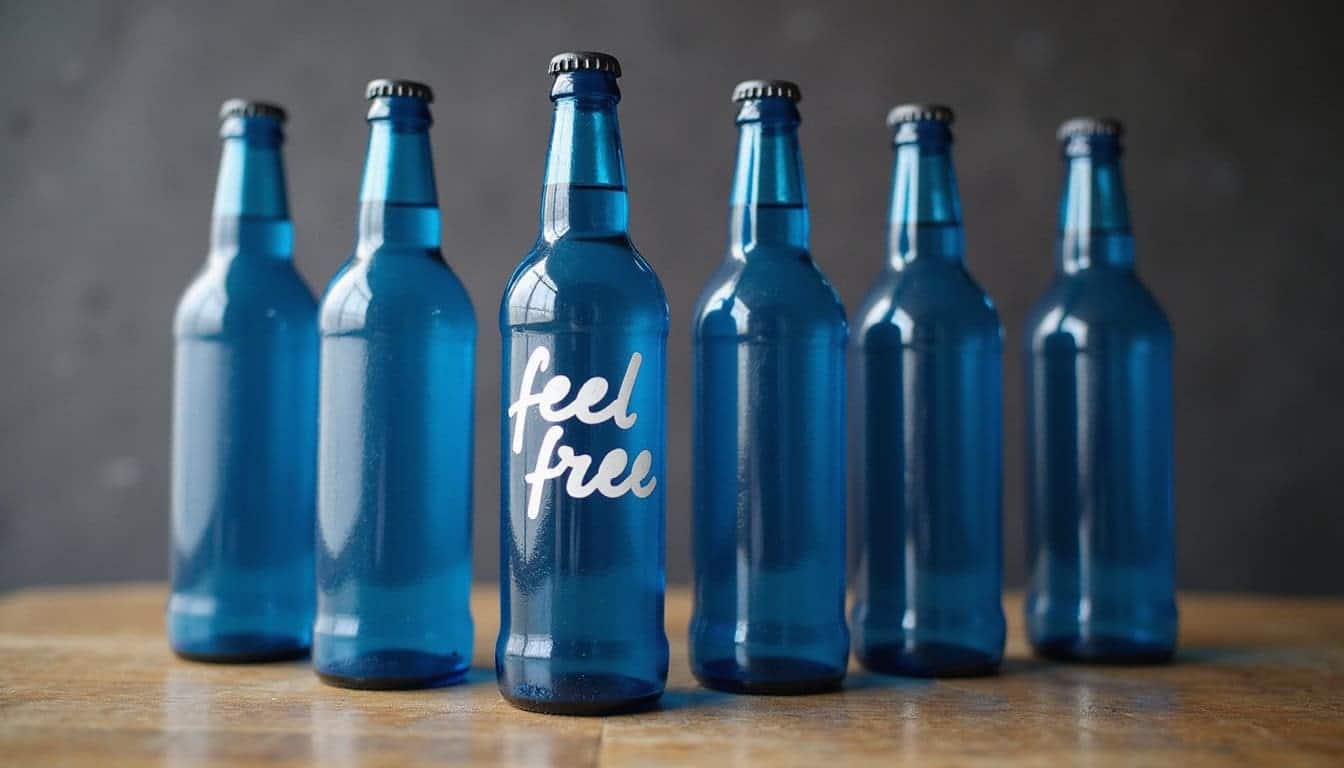
When you first started drinking Feel Free, one bottle likely delivered a noticeable mood lift or energy boost. Over time, however, your brain adapts to kratom’s mu-opioid receptor activity, reducing sensitivity and blunting that initial effect. This neuroadaptation forces you to consume more bottles just to achieve what one previously provided.
Treatment specialists identify this escalating tolerance as a core physical warning sign of dependence formation. You may notice yourself drinking earlier in the day, shortening intervals between bottles, or experiencing craving impulses that feel automatic. Many users progress from occasional consumption to multiple bottles daily simply to function normally. This pattern develops because kratom contains opioid receptor agonists that cause the brain’s reward pathways to adapt to the regular presence of these compounds. The concentrated potency of Feel Free extracts, which may contain high doses of kratom alkaloids, significantly accelerates this dependence risk compared to traditional kratom products.
If you’re consistently increasing your intake despite recognizing health, financial, or relationship consequences, you’ve entered problematic territory requiring professional evaluation. Many people don’t realize the severity of their dependence until attempting to quit and experiencing withdrawal symptoms.
Experiencing Physical Symptoms When You Skip a Day
Skipping even a single day of Feel Free can set off a cascade of physical withdrawal symptoms that signal your body has become dependent on the drink’s active compounds. Within hours of missing your usual dose, you may experience headaches, muscle aches, nausea, and flu-like discomfort. Sweating, chills, and gastrointestinal upset, including cramping and diarrhea, commonly follow. These reactions occur because kratom affects opioid receptors in the brain, and regular use leads to tolerance and physical dependence.
Withdrawal severity varies but typically peaks within the first few days of cessation. You’ll likely notice disrupted sleep patterns, including insomnia or restless nights, which compound daytime fatigue and impair your ability to function normally. Difficulty concentrating and trouble with mental clarity often accompany these sleep disturbances, making daily tasks increasingly challenging.
These symptoms aren’t minor inconveniences, they’re clinical indicators of physical dependence. If you can’t skip a day without your body reacting negatively, your system has adapted to require Feel Free. This dependence warrants professional evaluation.
Using Feel Free as Your Primary Stress Relief Method

When you consistently reach for Feel Free to manage stress, anxiety, or negative emotions, you’re developing an emotional crutch that can quickly evolve into compulsive use patterns. This reliance replaces your brain’s natural ability to regulate mood and cope with challenges, as the product’s opioid-like compounds hijack your reward pathways. Many users report needing multiple bottles per day just to avoid feeling tired or irritable, demonstrating how quickly tolerance can develop. Recognizing this pattern early allows you to explore healthier stress management alternatives before psychological dependency takes hold.
Emotional Crutch Development
One of the clearest warning signs of developing addiction to Feel Free is when the drink becomes your default response to stress, anxiety, or low mood. This shift represents impaired self-regulation, where you’ve conditioned yourself to reach for a bottle rather than employing diverse coping strategies.
You may notice your emotional state increasingly depends on the drink’s availability. Without it, you feel irritable, sad, or unable to function normally. This psychological dependence creates risky cross dependencies, particularly if you have a history of substance use or mental health challenges. The excessive caffeine content can exacerbate anxiety symptoms and may even trigger anxiety disorders, compounding the emotional difficulties you’re trying to escape.
When Feel Free moves from occasional enhancement to automatic emotional management, you’ve developed a behavioral pattern characteristic of addiction. Your brain now associates relief exclusively with consumption, weakening your natural stress-response capabilities.
Healthier Coping Alternatives
Breaking free from emotional dependence on Feel Free requires replacing it with evidence-based coping strategies that address stress at its source rather than masking symptoms.
Exercise routines offer measurable stress reduction. Research shows 150 minutes weekly of moderate activity plus two strength sessions substantially lowers perceived stress within six weeks. Physical movement improves mood, sleep quality, and stress resilience without dependency risks. Even a quick stroll around the block can relieve overwhelm and help you gather your thoughts when stress feels unmanageable.
Mindfulness practices activate your parasympathetic nervous system, reducing anxiety, depression, and blood pressure. Diaphragmatic breathing slows heart rate immediately, while progressive muscle relaxation provides benefits lasting up to 14 weeks. Yoga may also help by lowering cortisol levels, blood pressure, and heart rate while increasing gamma aminobutyric acid, a neurotransmitter linked to mood regulation. Research shows mindfulness-based stress reduction is non-inferior to escitalopram for treating anxiety disorders, making it a viable alternative to pharmaceutical interventions.
Diversify your coping toolkit. Combine quick interventions, deep breathing, brief walks with longer practices like yoga or journaling. Social connections, time outdoors, and cognitive reframing techniques address root stressors directly. This multi-strategy approach prevents any single substance from becoming your compulsive default.
Hiding Your Consumption From Friends and Family
When you start hiding Feel Free bottles or lying about how many you’ve consumed, you’re entering a behavioral pattern that mirrors other substance use disorders. Secrecy fuels a shame cycle, the more you conceal your use from friends and family, the more isolated you become, which often drives increased solitary drinking. If you’ve noticed yourself drinking alone more frequently or strategically disposing of packaging where others won’t find it, these are clinical red flags that your relationship with Feel Free has shifted from casual use toward dependence. This pattern of hiding use from recovery support systems can undermine the progress you’ve made and disconnect you from the people best positioned to help you stay on track.
Secrecy Breeds Shame Cycles
Although occasional privacy around personal habits remains normal, consistently hiding your Feel Free consumption from loved ones signals a dangerous psychological pattern taking root. When you conceal your intake, you’re activating a self-perpetuating shame cycle that intensifies with each deceptive act.
This secrecy triggers profound relationship strain as you withdraw from meaningful connections to protect your hidden behavior. You’ll find yourself creating elaborate excuses, avoiding eye contact, and distancing from those who matter most. Fear of losing relationships, your job, or your stability often drives you to avoid these conversations entirely rather than face the problem. The erosion of trust caused by concealment leads to emotional distance and communication breakdowns with those closest to you.
The psychological toll accelerates erosion of self esteem as guilt compounds daily. Research demonstrates that maintaining secrets correlates directly with increased anxiety, depression, and emotional numbness. Your self-perception deteriorates each time you deceive someone you love. You may notice yourself hiding empty bottles or stashing Feel Free in unusual locations around your home to avoid detection.
This cycle becomes increasingly difficult to break without intervention, as shame drives deeper concealment, which generates more shame.
Lying About Bottle Counts
One of the most telling manifestations of this shame cycle involves actively lying about how many bottles you’ve consumed. When you consistently underreport your intake to partners, friends, or healthcare providers, you’re engaging in cognitive dissonance management, a psychological strategy that protects your self-image as a controlled, responsible user while actual consumption tells a different story.
This deception often escalates. You might hide empty bottles, create elaborate explanations for missing product, or develop compulsive bottle-counting rituals to track what you’ll admit versus what you’ve actually consumed. Research shows population surveys capture only 40-60% of actual alcohol consumption, demonstrating how normalized this minimization becomes. This pattern of dishonesty serves as denial as a coping mechanism, allowing you to avoid confronting the reality of your situation.
Each lie reinforces isolation and erodes trust in your closest relationships. More critically, it delays recognition of problem severity and postpones necessary intervention. Children who grow up witnessing this deceptive behavior may develop heightened abilities to detect dishonesty, as research indicates that ACoAs encounter lying more often in everyday life and this exposure shapes their veracity assessment skills into adulthood.
Drinking Alone More Often
Shifting from social drinking to solitary consumption represents a significant behavioral marker that addiction specialists consistently flag as concerning. When you find yourself reaching for Feel Free bottles alone rather than in social settings, you’re exhibiting a pattern strongly linked to drinking to cope with negative emotions, a behavior showing three times the effect size of positive reinforcement motives.
The social withdrawal effects compound your risk substantially. Research shows individuals drinking daily are nine times more likely to drink alone than occasional users. This increased daily consumption pattern correlates directly with heavier, more hazardous drinking behaviors.
If you’re hiding your Feel Free use from friends and family, recognize this as a potential red flag for emerging addictive pathology. Solitary drinking predicts 35-60% higher odds of developing substance use disorder symptoms later in life.
Declining Performance at Work or School
How quickly can a developing dependence on Feel Free drink reveal itself in your daily responsibilities? You’ll likely notice decreased productivity before other warning signs emerge. Research shows employees working under the influence rate their performance as 39% less effective than usual. Impaired critical thinking manifests through poor judgment, slowed cognitive processing, and reduced concentration.
| Warning Sign | Mild Impact | Severe Impact |
|---|---|---|
| Missed Workdays | 13.0 days/year | 32.3 days/year |
| Injury-Related Absences | Baseline risk | 2.7x higher risk |
| Work Quality | Minor errors | Chronic performance shortfalls |
You may find yourself making more mistakes, missing deadlines, or receiving negative feedback. Even low levels of substances impair attention and decision-making during critical tasks. These performance declines often precede formal disciplinary action.
Mood Changes and Mental Health Deterioration

Beyond work and school setbacks, Feel Free’s kava-kratom combination can trigger pronounced mood disturbances that signal developing dependence. You may notice marked swings between euphoria during intoxication and irritability or anxiety as effects fade. Rebound dysphoria often drives compulsive redosing, creating a cycle where calm or pleasure occurs only while under the influence.
Watch for emerging panic-like symptoms, racing heart, shakiness, or shortness of breath, during withdrawal periods. You might experience growing sadness, hopelessness, and loss of interest in activities you once enjoyed. Social withdrawal becomes common as time increasingly centers around obtaining and using the drink.
Diminished self care, persistent fatigue, and brain fog indicate worsening mental health deterioration. If you have pre-existing mood or anxiety disorders, regular use can considerably exacerbate symptoms and increase relapse risk.
Returning to Heavy Use After Trying to Quit
Attempts to quit Feel Free often end in relapse, mirroring the 40–60% relapse rates documented for substance use disorders in long-term studies. If you’ve tried stopping but returned to heavy use, you’re experiencing a hallmark addiction pattern.
Warning signs that indicate relapse vulnerability include:
- Drinking Feel Free specifically to relieve withdrawal symptoms like irritability, fatigue, or anxiety
- Escalating your intake beyond the recommended one bottle daily despite experiencing financial strain
- Using Feel Free to replace alcohol, then returning to drinking when withdrawal becomes unbearable
The negative reinforcement cycle traps you: withdrawal discomfort drives you back to heavy consumption just to feel normal. This pattern often leads to social isolation as your life increasingly revolves around obtaining and using Feel Free.
Frequently Asked Questions
Can Feel Free Drink Cause Dangerous Interactions With Prescription Medications or Alcohol?
Yes, Feel Free can cause dangerous interactions with prescription medications and alcohol. The kratom and kava in Feel Free create potential drug interactions with opioids, benzodiazepines, antidepressants, and other CNS depressants. You’re risking unintended side effects like respiratory depression, excessive sedation, and liver toxicity. When you combine Feel Free with alcohol, you’re compounding these risks drastically. You should consult your healthcare provider before using Feel Free with any medications.
How Long Do Withdrawal Symptoms Typically Last After Stopping Feel Free?
Your withdrawal timeline varies, but symptoms typically last 1–2 weeks, though they can persist longer with prolonged use. You’ll likely experience peak discomfort, headaches, fatigue, anxiety, and sleep disruption within the first few days. If you’ve used Feel Free heavily or daily, expect cravings and mood fluctuations to linger several weeks beyond the acute phase. You should seek medical supervision if symptoms become severe or interfere with daily functioning.
Is Feel Free Addiction More Likely if I Have a History of Substance Abuse?
Yes, you’re at markedly higher risk. If you have a history of substance abuse, your potential genetic predisposition to addiction makes you more vulnerable to Feel Free dependence. Kratom activates the same opioid receptors that previously drove your addiction, creating dual addiction risk, where you develop dependence on Feel Free while potentially triggering relapse to your original substance. Clinical evidence shows treatment providers specifically warn individuals in recovery against using Feel Free for this reason.
What Medical Treatments Are Available for Feel Free Dependency or Withdrawal?
If you’re struggling with Feel Free dependency, several treatment options can help. Medical detoxification programs provide 24/7 monitoring to manage withdrawal symptoms like muscle aches, restlessness, and cravings. For moderate to severe cases, inpatient rehabilitation facilities offer structured care with therapy and medical oversight. You may also benefit from intensive outpatient programs or ongoing counseling. Evidence-based approaches like CBT address underlying issues, while aftercare services help prevent relapse long-term.
Are There Safer Alternatives to Feel Free for Managing Anxiety or Stress?
Yes, you have several safer options. Natural relaxation techniques like diaphragmatic breathing and progressive muscle relaxation can reduce physiological arousal without addiction risk. Mindfulness-based stress management programs show significant improvements in generalized anxiety. Regular aerobic exercise delivers moderate anxiety reduction comparable to low-dose medication. If you need pharmacologic support, SSRIs, buspirone, or beta-blockers offer effective relief without the dependence concerns associated with kratom-containing products. Consult a clinician before starting any regimen.