






Feel Free is a plant-based tonic from Botanic Tonics that combines kava root and natural kratom, two botanicals the FDA has flagged for serious safety concerns. You’ll find its distinctive blue bottle in over 24,000 gas stations, where it’s become the top-selling single product in the supplement category. Its popularity stems from marketing that positions it as an alcohol alternative for focus, relaxation, and mood enhancement. However, there’s more you should know about what’s actually in that bottle.
What Is Feel Free and What Does It Contain?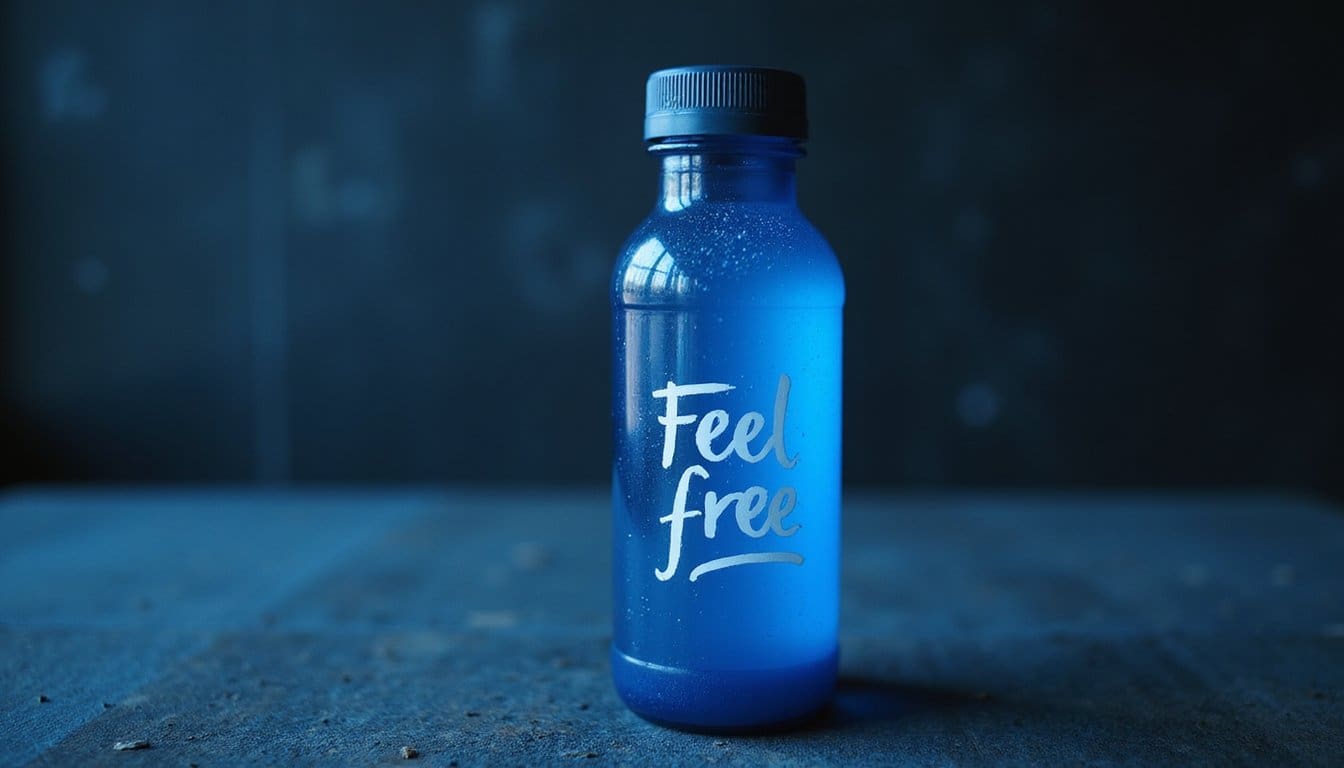
Feel Free is a plant-based tonic created by Botanic Tonics, a U.S.-based company that’s carved out a niche in the alternative beverage market. The flagship product comes in a 2 oz blue bottle and targets consumers seeking mood enhancement, focus, and relaxation without alcohol or caffeine.
The herbal beverage composition centers on kava root as the primary active ingredient. The Classic tonic also contains natural whole-leaf kratom, not extracts or synthetic versions. You’ll find additional botanicals like lion’s mane mushroom, rhodiola, and kola nut in various formulations. Kava has been used traditionally in the South Pacific for centuries.
The full ingredient list reveals natural sweeteners including pineapple juice and stevia leaf. Products are marketed as sugar-free, dairy-free, gluten-free, and kosher-certified. Botanic Tonics manufactures everything in an FDA-registered, cGMP-certified facility with third-party lab testing for potency and contaminants. The company also offers a 90 count bottle of feel free CLASSIC capsules for those who prefer an alternative to the liquid tonic. Each bottle contains two servings, and consumers are advised to enjoy up to half the bottle per serving for responsible consumption.
How Kratom and Kava Affect Your Brain and Body
When you crack open a bottle of Feel Free, two psychoactive botanicals go to work on your brain almost immediately. Kratom‘s primary alkaloids bind to mu-opioid receptors, producing pain relief and euphoria at higher doses while stimulating energy at lower amounts. Meanwhile, kava‘s kavalactones enhance GABA activity, creating sedation and anxiety reduction.
This combination creates notable cognitive and mood impacts. Kratom also modulates dopamine, norepinephrine, and serotonin systems, altering your reward pathways and arousal states. Kava blocks sodium and calcium channels while inhibits dopamine reuptake, intensifying its calming effects. Despite these potent effects, users generally perceive kratom as helpful and compatible with daily living.
The concern? Research shows users consuming both botanicals face an increased risk of substance use disorder, 44.1% meet kratom use disorder criteria compared to 35.3% of kratom-only users. Regular use builds physical dependence through opioid receptor activity. Additionally, kratom use can cause serious side effects including weight loss, dry mouth, nausea, and liver damage. Pregnant women should be especially cautious, as prolonged kratom exposure can cause neonatal abstinence syndrome in newborns who experience withdrawal signs after birth.
Marketing Strategies Behind the Blue Bottle Phenomenon
While the science behind Feel Free raises serious health concerns, the brand’s meteoric rise owes much to a calculated marketing machine. You’ll find the distinctive blue bottle in over 24,000 gas stations, convenience stores, and smoke shops nationwide. This ubiquity of product placement puts the product at impulse-buy locations near checkout counters, positioning it alongside mainstream energy drinks.
The marketing claims about benefits lean heavily into wellness language, “plant-based supplement,” “natural mood enhancer,” and “alcohol alternative.” You’ve likely seen the #alcoholalternative hashtag across more than a thousand Instagram ads targeting sober-curious consumers. The founder’s origin story references “ancient plants” and “time-honored remedies” from the South Pacific, creating an exotic health halo. Conspicuously, early labeling downplayed explicit kratom mentions and serious side effects, a strategy now central to ongoing litigation. A class action lawsuit has since alleged that the company deceptively marketed the drink as a safe alcohol alternative. This marketing approach normalized consumption as a lifestyle choice, despite the fact that the FDA had warned about kratom’s risks for years before the product launched. Former addicts with years of sobriety from hard drugs have found themselves back in rehabilitation facilities after trying Feel Free drinks, revealing the stark contrast between the product’s wellness branding and its real-world consequences.
Why Feel Free Is Gaining Traction Among Consumers
Several converging forces have propelled Feel Free’s rapid consumer adoption beyond clever marketing alone.
You’ll find the brand’s crossover appeal among wellness focused consumers stems from its multi-use positioning. Whether you need daytime focus, evening relaxation, or social ease without alcohol, Feel Free markets itself as your solution. This versatility taps directly into growing demand for functional beverages that deliver specific mental and physical outcomes. The shift away from alcohol is significant, with 77% of consumers reporting they drink less alcohol since trying THC beverages.
The numbers confirm this traction. Feel Free has maintained its #1 brand position in convenience store energy and supplement categories for eight consecutive quarters. Dollar sales grew 131% in Total Convenience, while velocity per distribution point jumped 40%. A single Feel Free SKU now outperforms multi-product portfolios from established competitors like 5-hour Energy and Ghost at major chains. The flagship product, feel free CLASSIC, is crafted with ancient functional plants to provide mood lift, energy, and focus. This impressive performance is backed by production at an FDA-registered, cGMP-certified facility in Broken Arrow, Oklahoma, ensuring rigorous testing for quality and consistency.
Health Risks and Safety Concerns You Should Know

Feel Free’s popularity has surged without the regulatory scrutiny you’d expect for a product containing two psychoactive substances. Neither kava nor kratom has FDA approval for any medical use, and both carry documented safety warnings. The FDA flagged kava in 2002 for serious liver injury, including cases requiring transplantation. Kratom’s opioid-receptor activity adds addiction and organ failure risk to the equation.
| Risk Category | Kava | Kratom |
|---|---|---|
| Acute liver toxicity | Hepatitis, cirrhosis, liver failure | Heightened enzymes, liver damage |
| Addiction potential | Low | High (opioid-like dependence) |
| Withdrawal symptoms | Minimal | Anxiety, insomnia, muscle aches |
| Regulatory status | FDA warning issued | Banned in several states |
| Long-term safety data | Insufficient | Insufficient |
You’re partaking in an uncontrolled experiment with each bottle.
Take the First Step Toward Recovery Today
Frequently Asked Questions
Is Feel Free Legal to Purchase in All 50 States?
No, you can’t legally purchase Feel Free in all 50 states. Feel free legality depends on kratom restrictions in your state, Alabama, Arkansas, Indiana, Rhode Island, Vermont, and Wisconsin have banned kratom-containing products. Feel free distribution channels typically exclude these states during online checkout, and local retailers in restricted areas won’t stock kratom versions. Even where it’s sold, legal availability doesn’t mean regulatory approval, so you should verify your state’s current laws before buying.
How Much Does a Bottle of Feel Free Typically Cost?
A single 2 oz bottle of Feel Free typically costs you between $8.99 and $10.99 at convenience stores and online retailers. You’ll find better value through the brand’s multi-packs; a 6-pack at $59 drops your per-bottle cost to roughly $9.83, while 12-packs can reduce it to approximately $4.92. Wholesale pricing structures and distributor availability vary by region, so checking local retailers and authorized sellers helps you secure the best deal.
Can Feel Free Show up on a Standard Drug Test?
No, Feel Free won’t typically appear on standard drug tests. The active ingredients composition, kratom and kava, aren’t included in routine 5- or 10-panel screenings. These tests target opioids, THC, cocaine, and similar substances. However, specialized panels can detect kratom if specifically ordered. You should also know that potential side effects aside, some employers or probation programs now use expanded testing that may include kratom, so you’ll want to verify your specific testing requirements.
How Long Do the Effects of Feel Free Typically Last?
You’ll typically feel Feel Free’s effects for 2–4 hours after the primary onset. The onset time of Feel Free’s effects usually ranges from 15–30 minutes, though kratom components may kick in within 5–10 minutes. The duration of Feel Free’s effects varies based on your metabolism, body weight, and dosage. Some users report residual calm lasting 4–8 hours, while frequent users may experience shorter perceived effects due to tolerance development.
Is It Safe to Drive After Consuming Feel Free?
No, it’s not safe to drive after consuming Feel Free. The kratom and kava combination creates potential intoxication levels that impair your coordination, reaction time, and judgment, similar to alcohol or sedatives. You’re facing serious driving under the influence risks, as both ingredients produce measurable psychomotor impairment in studies. Medical experts advise against operating vehicles after consumption. Since there’s no established safe waiting period, you shouldn’t drive until effects completely subside.