
Microdosing THC at doses between 1 and 5 mg may help reduce your anxiety symptoms without causing intoxication, but the research comes with significant caveats. Studies show that while 7.5 mg reduced stress in healthy volunteers, doses just slightly higher actually worsened negative mood and perceived threat. Your individual response depends on genetics, existing mental health conditions, and metabolism. Understanding the specific factors that influence your reaction can help you determine whether this approach is right for you.
Does Microdosing THC Actually Help Anxiety?
While research on microdosing THC remains limited, early evidence suggests low doses may reduce anxiety in some people. A one-month trial found that daily THC doses up to 3 mg reduced anxiety symptoms in patients with diagnosed anxiety disorders. Similarly, healthy volunteers given 7.5 mg THC experienced less stress during psychosocial testing compared to placebo groups. While research on microdosing THC remains limited, early evidence suggests low doses may reduce anxiety in some people. For those exploring microdosing the gummies for sleep, preliminary findings indicate that small, consistent doses may support relaxation in certain users. A one-month trial found that daily THC doses up to 3 mg reduced anxiety symptoms in patients with diagnosed anxiety disorders. Similarly, healthy volunteers given 7.5 mg THC experienced less stress during psychosocial testing compared to placebo groups.
When you’re microdosing THC for anxiety, the goal is subtle relief without impairment. Low doses modulate serotonin and dopamine release, supporting mood regulation and relaxation. Research shows these amounts can decrease negative emotional reactions while preserving cognitive function. THC achieves these effects by interacting with CB1 and CB2 receptors in the endocannabinoid system, which helps modulate pain perception and emotional responses.
However, you should approach these findings cautiously. Clinical evidence gaps persist, and product inconsistencies make precise dosing difficult. Factors like plant type and cultivation contribute to variations in THC concentrations across different cannabis products. What works varies considerably between individuals.
How Much THC Counts as a Microdose?
How precisely can you define a microdose when individual responses vary so widely? When you microdose THC for anxiety, you’re typically working within a 1-5 mg range—doses that remain sub-psychoactive for most people. No universal standard exists because your endocannabinoid system, metabolism, and tolerance all influence your threshold. How precisely can you define a microdose when individual responses vary so widely? If you’re asking what is a microdose of thc, most guidelines place it within a 1–5 mg range—levels that remain sub-psychoactive for many people. When you microdose THC for anxiety, you’re typically working within this window. No universal standard exists because your endocannabinoid system, metabolism, and tolerance all influence your effective threshold.
| Dose Level | THC Amount | Best For |
|---|---|---|
| Very Low | 1 mg | Beginners, sensitive users |
| Standard | 2.5 mg | Common starting point |
| Upper Limit | 5 mg | Experienced users seeking mild effects |
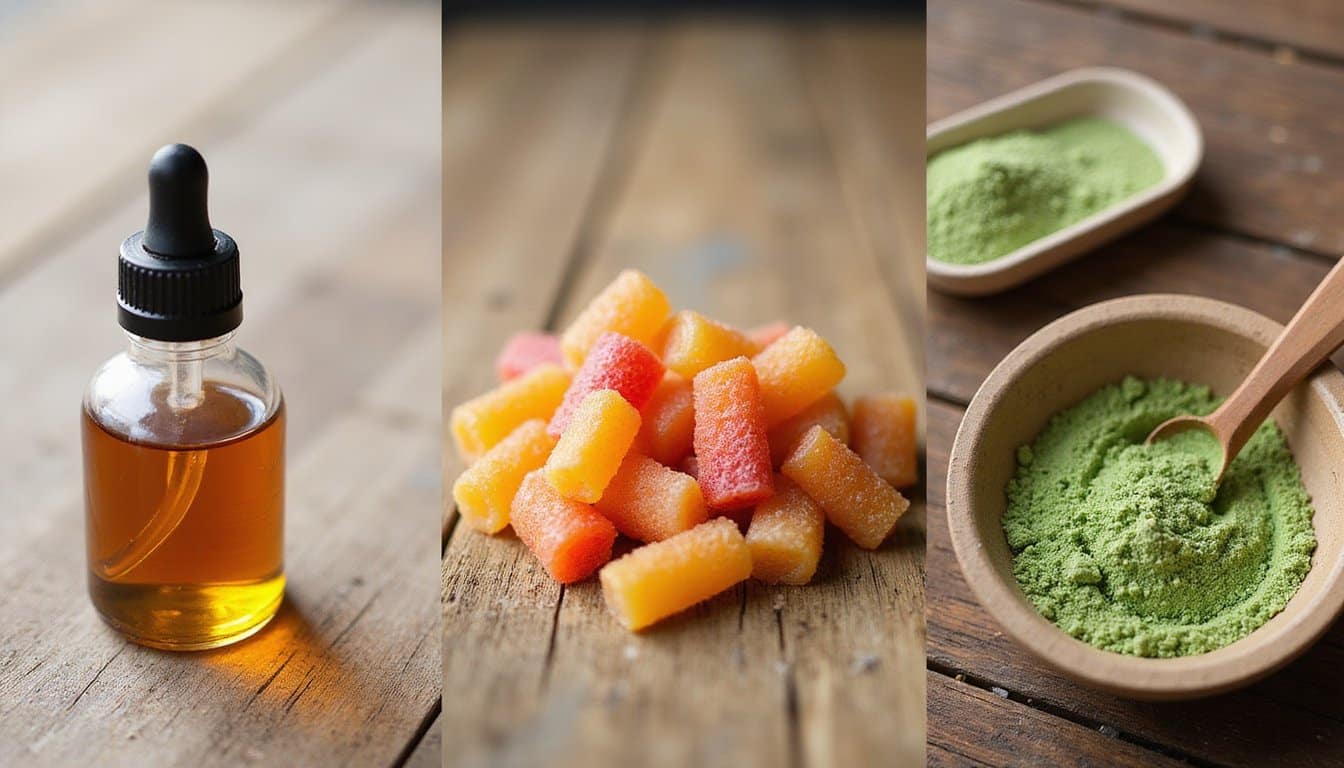
Low-dose THC protocols typically recommend starting at 1-2.5 mg and maintaining that amount for 3-4 days before adjusting. You’d increase by 1 mg increments until you notice minimal effects without intoxication. Tinctures and divisible gummies offer the precision this approach requires. Tracking when you dose and how you feel helps you understand patterns and make informed adjustments to your routine. Once you exceed 7.5 mg, the majority of consumers will begin experiencing noticeable psychoactive effects, which signals you’ve moved beyond microdosing territory. Low-dose THC protocols typically recommend starting at 1–2.5 mg and maintaining that amount for 3–4 days before adjusting. When microdosing the edibles, this slow titration helps you identify the smallest effective dose while avoiding unwanted intoxication. You’d increase by 1 mg increments until you notice minimal effects without impairment. Tinctures and divisible gummies offer the precision this approach requires. Tracking when you dose and how you feel helps you understand patterns and make informed adjustments to your routine. Once you exceed 7.5 mg, the majority of consumers will begin experiencing noticeable psychoactive effects, which signals you’ve moved beyond microdosing territory.
What Happens in Your Brain When You Microdose THC

Something subtle shifts in your brain chemistry when THC enters your system, even at doses as low as 1-2.5 mg. When microdosing weed for anxiety, THC binds to CB1 receptors, triggering mild neurotransmitter modulation without overwhelming psychoactive effects. This low dose THC anxiety approach influences serotonin and dopamine release, potentially regulating mood.
Research on microdosing cannabis for anxiety reveals these neural changes:
- Dopaminergic activity supports attention and executive function at minimal THC dosage for anxiety
- CB1 receptor activation modulates the sleep-wake cycle, affecting anxiety patterns
- Sirtuin 1 protein increases in the prefrontal cortex, offering neuroprotective benefits of microdosing THC for anxiety
Does low dose THC help anxiety? The evidence suggests microdosing marijuana for anxiety creates measurable neurological shifts. Studies show that low-dose THC can reverse age-associated decline in pro-neurogenic genes, potentially supporting brain health and cognitive function. However, individual responses vary considerably based on sensitivity and metabolism. Understanding these effects requires acknowledging that cannabinoids demonstrate biphasic dose-dependent effects, meaning the same compound can produce opposite outcomes depending on the amount consumed.
When Microdosing THC Makes Anxiety Worse
Even at low doses, THC can increase anxiety rather than reduce it—research shows doses between 7.5 and 12.5 mg heighten negative mood and perceived threat during stressful situations. Your individual risk factors profoundly influence how you’ll respond, including any history of anxiety disorders, depression, or previous negative reactions to cannabis. If you’re predisposed to anxiety, you may experience worsened symptoms even with careful dose control. Skipping professional guidance and failing to track your individual response can lead to dosing errors that amplify anxiety symptoms. Additionally, THC can worsen mental health complications like psychosis in individuals already vulnerable to these conditions.
Higher Doses Increase Anxiety
When THC doses climb beyond the microdosing range, the calming effects can flip into anxiety-provoking territory. Research shows that doses around 12.5 mg THC dramatically increase anxiety, negative mood, and subjective distress compared to lower amounts. Your THC sensitivity plays a critical role in how quickly this shift occurs.
Higher doses trigger measurable physiological changes that amplify panic symptoms:
- Increased heart rate that you may interpret as anxiety or danger
- Body tension and autonomic nervous system activation
- Heightened stress responses during already challenging situations
Studies confirm THC exhibits anxiolytic effects at low doses but becomes anxiogenic at higher amounts. If you’re infrequent in your use or already experience basal anxiety, you’re at greater risk for acute panic reactions when doses exceed your tolerance threshold. In contrast, CBD appears to decrease anxiety at all doses tested, which is why products with balanced THC to CBD ratios may offer more predictable effects. Interestingly, research in cisgender women found that larger THC doses increased heart rate and decreased heart rate variability, yet participants did not report corresponding feelings of anxiety, suggesting the psychological and physiological effects of THC may operate through dissociated mechanisms.
Individual Risk Factors Matter
Although microdosing THC works well for some people, your individual risk profile determines whether low doses help or harm your anxiety. Your genetic predisposition markedly influences how you respond to THC, with certain individuals showing heightened sensitivity to anxiety-inducing effects.
Your baseline anxiety matters greatly. If you already experience elevated anxiety, you’re at greater risk for THC-induced escalation rather than relief. Personality traits also affect whether microdosing produces calming or anxiety-provoking effects.
Research indicates that serotonin system vulnerability varies between individuals. Some people show decreased serotonin activity with chronic low-dose THC exposure, potentially worsening anxiety over time. Adolescent exposure poses particular risk because the developing brain shows greater vulnerability to THC-induced neurochemical changes that may persist into adulthood. Additionally, if you’ve previously experienced anxiety reactions to cannabis, you’re more likely to encounter similar responses again—suggesting sensitization rather than tolerance development. Many people combine THC with CBD or choose balanced ratios because CBD can blunt anxiogenic effects of THC.
Why THC Microdoses Affect People Differently

Your response to a THC microdose depends heavily on individual factors like metabolism, body composition, and genetic variations in cannabinoid receptors. If you’ve used cannabis before, your tolerance level shapes whether 1 mg feels noticeable or barely registers, while novice users often experience stronger effects at the same dose. Beyond biology, your environment, mindset, and expectations also influence whether a microdose calms anxiety or amplifies it. Research on microdosing psychedelics suggests that positive expectations and placebo effects may significantly contribute to perceived benefits, meaning what you believe about THC’s effects could shape your actual experience. Age also plays a role, as studies show that THC microdoses produce contrasting effects in young versus old individuals, particularly in gene expression patterns related to neuroprotection.
Body Chemistry Matters Most
Two people can take the exact same THC microdose and have completely different experiences—one might feel subtle calm while the other notices racing thoughts or heightened physical awareness.
Your individual response depends on several biological factors:
- Metabolism rates determine how quickly your body processes THC, affecting both intensity and duration
- Sensitivity and tolerance thresholds vary based on receptor density and previous cannabis exposure
- Neurochemical baseline states including existing dopamine, serotonin, and cortisol levels shape whether THC stabilizes or destabilizes your mood
Your endocannabinoid system functions differently than anyone else’s. Genetic variations in CB1 receptor expression, liver enzyme efficiency, and nervous system regulation all influence your response. Current stress levels, sleep quality, and existing anxiety conditions further modify how your body interprets even minimal THC amounts. This is partly because the endocannabinoid system’s signaling plays a direct role in the development of neural circuits in the brain.
Prior Cannabis Use History
Cannabis history shapes how your body responds to THC microdoses more than almost any other factor. Prior exposure alters your CB1 receptor density, directly affecting how your endocannabinoid system processes even small amounts of THC.
Tolerance development occurs through repeated cannabis use, desensitizing your receptors over time. If you’ve used cannabis regularly before, you’ll likely need 3-5mg to notice subtle effects, while someone without prior exposure may feel 1mg strongly.
Your history also influences risk profiles. Former heavy users face elevated paranoia potential if doses exceed their current tolerance threshold. Additionally, past cannabis consumption affects serotonin and dopamine responses, altering how microdoses modulate anxiety.
The research suggests cannabis use history predicts microdose efficacy more reliably than body weight. Veterans typically require longer titration periods to identify effective doses.
Context Shapes Your Response
Why does the same 2mg THC gummy calm one person while making another feel on edge? Your response depends heavily on set and setting—your internal state and external environment at the time of consumption.
Research shows that context influences THC outcomes alongside your baseline anxiety level. Low-dose THC reduces negative emotional duration during psychosocial stress tasks, but moderate doses heighten threat perception and challenge appraisals.
Several contextual factors shape your microdosing experience:
- Your expectations contribute to placebo effects, particularly at subtle doses
- Environmental stressors can amplify or diminish THC’s calming potential
- Task demands during consumption affect whether you perceive relief or increased tension
Self-directed microdosing lacks standardization, meaning psychological factors vary widely between sessions. You can’t separate the substance from the circumstances surrounding its use.
THC vs. CBD: Which Works Better for Anxiety?
When comparing THC and CBD for anxiety relief, the research points toward CBD as the safer and more consistent option. Studies show CBD-dominant cannabis produces the most significant anxiety reduction without the paranoia or tension spikes associated with THC. CBD works across multiple doses without triggering dose-dependent anxiety increases, while THC’s effects remain unpredictable—helpful at low doses but potentially harmful at higher amounts.
CBD may also counteract THC’s anxiety-inducing properties by reducing its binding capacity at brain receptors. Combined formulations using approximately 50 mg CBD and 4.4 mg THC daily have shown promising results for anxiety and PTSD.
When considering edibles vs inhalation, remember that oral THC produces longer-lasting effects, making dosing errors harder to correct. CBD offers more predictable relief regardless of delivery method.
How to Find Your Ideal THC Microdose for Anxiety
Finding the right THC microdose for anxiety requires a methodical approach, starting well below what most people assume will work. Begin with 1–2.5 mg THC, maintaining this dose for at least three days before adjusting. This patience allows you to establish baseline tolerance and observe effects on mood regulation without rushing past your therapeutic threshold.
If needed, increase by only 0.5–1 mg increments, waiting at least three days between adjustments. Your goal is the lowest effective dose where anxiety relief occurs without noticeable psychoactive effects.
Track your progress by documenting:
- Time of administration and dosage
- Anxiety levels before and after consumption
- Any unwanted effects like increased heart rate
Stop escalating once you achieve symptom relief. Further increases won’t improve outcomes and may trigger the anxiety you’re trying to manage.
Who Should Avoid Microdosing THC Entirely?
Not everyone is a good candidate for microdosing THC, even at extremely low doses. If you have a history of psychotic disorders like schizophrenia or bipolar disorder, THC can worsen symptoms and trigger episodes. Those with underlying MentalHealthConditions, including severe anxiety disorders or depression, may find that THC intensifies rather than relieves symptoms.
You should also avoid microdosing if you have a history of substance use disorder, as even small amounts can activate your brain’s reward system and lead to dependency. Pregnant or breastfeeding women face documented fetal and infant risks with no established safe threshold.
If you have cardiovascular issues, THC’s effects on heart rate pose additional concerns. Anyone taking medications metabolized by liver enzymes or facing workplace drug testing should consult a healthcare provider first.
What Scientists Still Can’t Predict About THC and Anxiety
Decades of research still leave major gaps in predicting how THC will affect any individual’s anxiety. Over 40 years of studies show inconsistent results, with animal models suggesting low doses help while human clinical trials often show the opposite. Your response to microdosing with THC depends on factors researchers haven’t fully mapped.
After 40 years of research, scientists still can’t predict whether microdosing THC will ease or worsen your anxiety.
Key unknowns include:
- Sex differences: How THC affects anxiety may vary between men and women, but data remains limited
- Age-related responses: Adolescents and adults may process THC differently, with distinct anxiety outcomes
- Optimal THC:CBD ratios: Whether combinations like 1:1 or 2:1 reduce anxiety more effectively remains unclear
Scientists also can’t yet determine how your expectations about cannabis influence your actual anxiety response. Larger randomized controlled trials are needed before personalized recommendations become possible.
Frequently Asked Questions
Can I Microdose THC While Taking Prescription Anxiety Medications?
You should consult your doctor before microdosing THC with prescription anxiety medications. THC interacts with many CNS-active drugs and medications metabolized by liver enzymes, potentially increasing side effects like sedation and drowsiness. A 2020 review identified interactions between THC and 57 prescription medications, including antidepressants. While some studies show limited interactions, the research remains inconsistent. Your prescriber can assess your specific medications and help you weigh the risks safely.
How Long Does It Take for Microdosed THC to Leave Your System?
Even with microdosing, THC typically clears from your blood within a few hours, though metabolites may linger 1–3 days. Urine tests can detect a single low dose for up to 3 days, while saliva tests show a 1–3 day window. Hair tests remain positive for up to 90 days, though they’re less reliable for small doses. Your metabolism, frequency of use, and body composition all influence clearance time.
Is Microdosing THC Legal in All States?
No, microdosing THC isn’t legal in all states. Cannabis laws differ markedly across the country, with each state setting its own rules for THC products. Even with federal rescheduling efforts, conflicts between state and federal regulations persist. You’ll need to check your specific state’s laws before purchasing or using any THC products. Keep in mind that workplace policies and driving laws apply regardless of how small your dose is.
Will Microdosing THC Show up on a Drug Test?
Yes, microdosing THC will likely show up on a drug test. Even small doses (2.5–5 mg) produce metabolites that accumulate in your fat cells and remain detectable. Urine tests—the most common type—can detect THC-COOH for 1–3 days after occasional use and 30+ days with regular microdosing. Your metabolism, body composition, and frequency of use all influence detection windows, but you shouldn’t assume low doses will clear your system quickly.
Can You Build Tolerance to Microdosed THC Over Time?
Yes, you can build tolerance to microdosed THC over time, though it typically develops more slowly than with higher doses. Repeated exposure causes your CB1 receptors to gradually desensitize, potentially requiring slightly more THC for the same effect. Factors like frequency of use, metabolism, and product consistency influence how quickly this occurs. You can manage tolerance by taking periodic breaks, which allows your receptors to resensitize and helps maintain effectiveness at lower doses.