
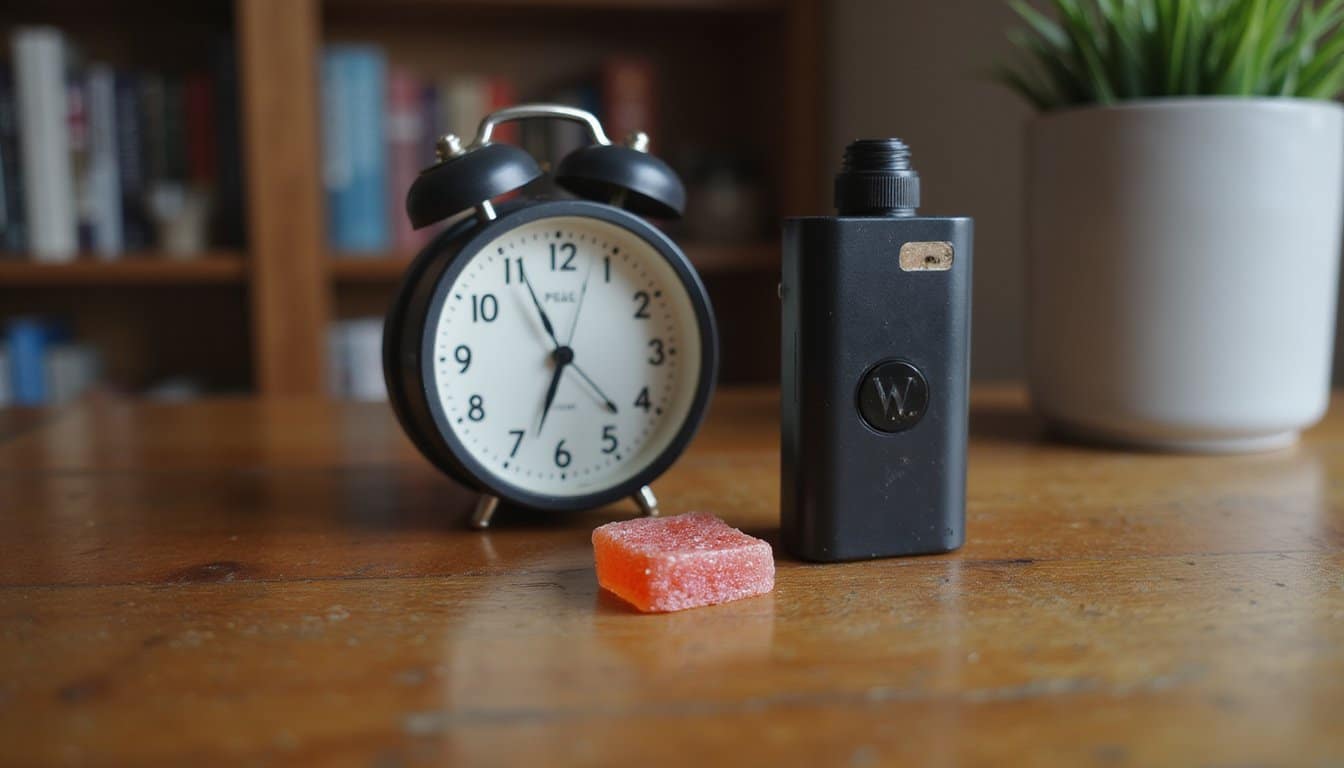


A typical psilocybin experience lasts 4 to 6 hours from onset to baseline, though higher doses can extend this window to 8 hours. You’ll notice initial effects within 20 to 60 minutes post-ingestion, with onset accelerating on an empty stomach. Your peak intensity occurs at the 2 to 3 hour mark, when visual distortions, emotional amplification, and perceptual changes reach maximum effect. The decline phase spans 2 to 4 hours as you gradually return to baseline. Understanding how long a shroom high lasts and each phase helps you prepare for what’s ahead.
How Long Does a Shroom Trip Last? 4 to 6 Hours Total

A typical psilocybin mushroom trip lasts between 4 and 6 hours from onset to resolution, though some experiences extend to 8 hours depending on dosage and individual metabolism. When you’re wondering how long does the high from shrooms last, you’ll find the most intense phase occupies a narrower window within this timeframe.
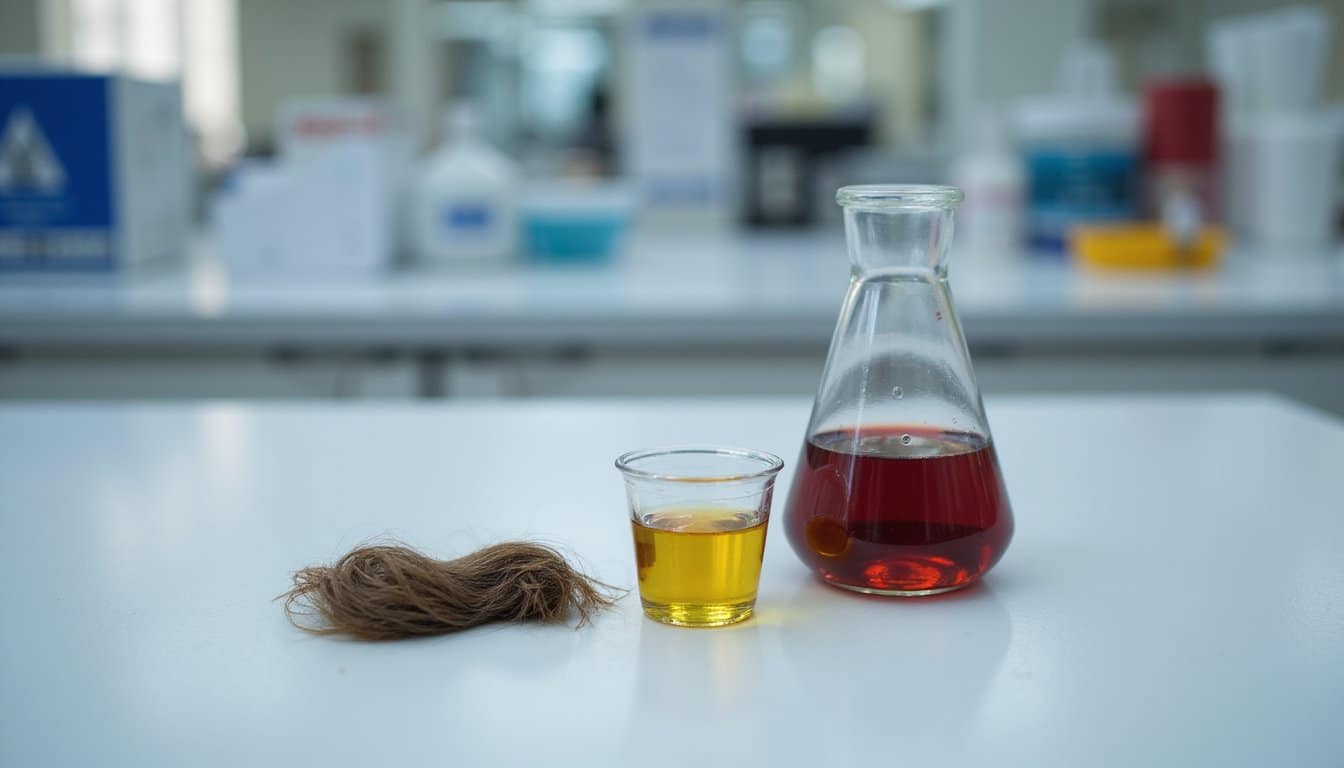
Your body converts psilocybin to psilocin, the active compound responsible for peak psychedelic effects. This conversion process, combined with factors like stomach contents and mushroom potency, influences your trip’s duration. The first 3 to 4 hours typically deliver the strongest intensity, with effects gradually tapering over the subsequent 2 to 4 hours. Higher doses generally extend the experience, while individual metabolism creates variability between users. Effects typically begin 20 to 40 minutes after consumption, marking the start of your journey toward peak intensity. During the comedown phase, lingering effects can persist into the next day, leaving some users feeling emotionally or physically drained. While urine tests can detect psilocybin for up to 24 hours, hair follicle testing can identify use for up to 90 days after consumption.
When Do Shrooms Kick In? The 20 to 60 Minute Onset
Once you’ve ingested psilocybin mushrooms, effects typically begin within 20 to 60 minutes, with most users reporting initial sensations at the 30 to 40 minute mark. Standard-Onset-Timing varies based on several pharmacokinetic factors that influence absorption rates.
Your stomach contents considerably impact how long you’re high on shrooms and when effects commence. An empty stomach accelerates onset to 20-30 minutes, while food delays absorption to 30-90 minutes. Metabolism, body composition, and liver function further modify this timeline.
The shroom high duration begins its clock once psilocybin converts to psilocin during digestion. Consumption methods matter—mushroom tea produces faster onset than dried specimens. Regardless of timing variations, total experience duration remains consistent despite delayed initiation.
What Does the Shroom Peak Feel Like at 2 to 3 Hours?
At the 2-to-3-hour mark, you’ll experience peak plasma psilocybin concentrations, which typically produce the most intense visual distortions—geometric patterns, color saturation, and perceptual warping reach their maximum. Your emotional state undergoes significant amplification during this window, with deep introspective waves and heightened sensitivity to environmental stimuli. Higher doses (3+ grams of dried *Psilocybe cubensis*) may induce ego dissolution, where you perceive a profound sense of unity with your surroundings and temporary loss of self-boundaries.
Intense Visual Distortions
Most users experience peak visual distortions between 2 to 3 hours post-ingestion, when psilocybin’s metabolite psilocin reaches maximum receptor binding in the visual cortex.
During this window, you’ll notice:
- Colors appearing intensely saturated, glowing, or luminescent
- Geometric patterns overlaying surfaces and textures
- Objects breathing, shifting, or morphing at edges
- Enhanced contrast and sharpened visual acuity
- Time perception distortions accompanying visual changes
Understanding how long does a shroom high last requires recognizing this peak phase as the most visually intense segment. Your mushroom high duration at maximum distortion typically spans 1 to 3 hours, with dosage directly correlating to severity. Higher doses extend this intense visual window beyond the standard timeframe. Metabolism, stomach contents, and individual tolerance modulate when you’ll reach peak distortion intensity.
Deep Emotional Waves
Between 2 to 3 hours post-ingestion, psilocin saturation at serotonin 5-HT2A receptors triggers deep emotional waves that define the peak psychedelic phase. You’ll experience intensified emotional sensitivity as the compound reaches maximum receptor binding. Sudden mood shifts between euphoria and introspection occur frequently during this window.
Your emotional depth correlates directly with dosage. Higher doses extend and amplify these waves, while tolerance reduces their intensity. An empty stomach accelerates onset, pushing peak emotions earlier in your timeline.
Expect heightened vulnerability, nostalgia, and empathy during this 90-180 minute intensity window. These waves don’t remain constant—they fluctuate, rising and falling before gradually diminishing after the 3-hour mark. Full emotional resolution typically occurs by 6-8 hours post-ingestion, with mild reflective states persisting during the comedown phase.
Unity and Ego Dissolution
During the 2-3 hour peak window, psilocin’s maximal receptor binding produces two hallmark phenomena: unity consciousness and ego dissolution. You’ll experience the erosion of self-identity boundaries as your subjective self dissolves into expansive awareness.
Clinical indicators of peak unity and ego dissolution include:
- Dissolution of boundaries between self and environment, producing perceived oneness
- Sensory convergence where visual, auditory, and tactile inputs merge into unified perception
- Time distortion amplifying feelings of eternal interconnectedness
- Complete detachment from habitual self-concept and identity constructs
- Heightened empathy extending to universal existence
The 90-180 minute window marks strongest intensity. Higher doses extend ego dissolution depth and duration. You’ll notice environmental elements feeling integrated and alive as fragmented identity yields to boundless awareness. These neurological effects peak when receptor occupancy reaches maximum saturation.
How the Decline Phase Unfolds Over 2 to 4 Hours

The resolution window spanning 2 to 4 hours post-peak marks psilocin’s gradual metabolization and clearance from your system. During this phase, visual distortions progressively diminish while sensory enhancements fade alongside emotional intensity. You’ll notice time distortion and hallucinations tapering systematically, with brighter colors and enhanced auditory perception subsiding.
Your emotional state shifts from peak intensity toward contentment, relief, or reflective calm. The euphoric or anxious states you experienced earlier give way to an afterglow characterized by emotional clarity and subtle mood enhancement.
Several pharmacokinetic factors influence your decline rate. Higher dosages extend the resolution timeline, while individual metabolism determines how rapidly your body processes psilocin. Stomach contents create variability in decline timing, and prior psychedelic tolerance can slow complete resolution. Most users achieve full baseline restoration within 8 hours post-ingestion.
Why Some Shroom Trips Stretch to 8 Hours or Longer
While most psilocybin experiences resolve within 4 to 6 hours, several pharmacological and physiological variables can extend your trip to 8 hours or longer.
Key factors influencing extended duration include:
- Species potency: High-psilocybin strains like Blue Meanies deliver prolonged psychoactive effects beyond standard timelines
- Consumption method: Mushroom tea accelerates absorption, while whole dried mushrooms extend metabolic processing
- Gastric contents: An empty stomach speeds onset but may lengthen overall duration; full stomach delays absorption
- Dosage level: Higher doses sustain psilocybin plasma concentrations, prolonging acute effects
- Individual metabolism: Hepatic enzyme variations affect psilocybin-to-psilocin conversion rates
You should also account for time perception distortions—psilocybin alters temporal processing, making 6-hour trips feel considerably longer. Residual afterglow effects may persist up to 24 hours post-ingestion.
How Dose and Metabolism Change Your Trip Timeline
Psilocybin dose directly determines how long you’ll experience psychoactive effects, with higher amounts extending your trip timeline through prolonged psilocin exposure. Low doses of 1-2g dried mushrooms typically produce effects lasting 3-4 hours with quicker resolution. Higher doses extend overall duration to 6-8 hours due to increased psilocin concentrations requiring longer clearance periods.
Your metabolism profoundly influences this timeline. Psilocin’s elimination half-life ranges from 1.5-4 hours across individuals, meaning faster metabolizers clear the compound in 4-5 hours post-ingestion. CYP2D6 primarily processes psilocin, with genetic polymorphisms causing substantial variability. Poor CYP2D6 metabolizers experience extended effects from reduced enzymatic breakdown.
Body composition matters too. Higher BMI slows clearance, while impaired liver function delays processing. Efficient renal excretion shortens your timeline, whereas age-related metabolic decline prolongs effects in older individuals.
Tea vs. Dried Shrooms: Which Hits Faster?
Choosing between mushroom tea and dried shrooms noticeably affects how quickly you’ll feel effects. Tea preparation accelerates absorption markedly, with onset occurring within 10-40 minutes compared to dried consumption’s 30-60 minute standard window.
Onset comparison by method:
- Dried mushrooms: 30-60 minutes standard onset; up to 90 minutes with full stomach
- Mushroom tea: 10-20 minutes accelerated onset; 20-40 minutes typical range
- Lemon tek tea: Further acceleration beyond standard tea preparation
- Empty stomach consumption: 20-30 minutes for both methods
- Full stomach: Delays dried more substantially than tea
Tea bypasses digestive barriers that slow dried mushroom absorption. Hot water steeping extracts psilocybin into liquid form, allowing faster gastrointestinal transit. You’ll experience reduced nausea since tea eliminates the unpalatable texture associated with direct consumption.
The Afterglow: Why You Feel Different the Next Day
Even after psilocin clears your system, you may notice lingering shifts in mood, perception, and emotional state that persist into the following day. This phenomenon, commonly termed “afterglow,” occurs because your brain continues processing the psychological content of the experience while serotonin receptor activity gradually normalizes. The afterglow phase typically lasts between six and 12 hours, though individual factors like dose quantity, metabolism, and pre-trip mental state influence its duration and intensity.
What Causes Afterglow Effects
The neurobiological mechanisms underlying afterglow effects aren’t fully understood, but research points to several contributing factors. Psilocybin triggers neuroplastic changes that persist beyond acute intoxication, potentially reshaping neural connectivity patterns.
You may experience these documented subacute effects:
- Reductions in depressive and anxiolytic symptoms lasting 1 day to 1 month post-ingestion
- Enhanced mood, mindfulness, and social connectedness peaking 3–14 days after use
- Increased sense of interconnectedness with self, others, and environment
- Heightened openness persisting 6–8 weeks in some clinical observations
- Shifts in self-perception described as feeling “cleansed” or experiencing inner peace
These changes appear dose-dependent and individual-specific. A systematic review of 48 studies confirms sustained antidepressant effects, though standardized assessments sometimes show no lasting subjective drug effects. Your afterglow duration typically ranges from 24 hours to several weeks.
Emotional Processing Continues
Beyond these neurobiological shifts, your emotional processing doesn’t simply stop when the acute effects subside—it often intensifies during the afterglow period. Research involving over 8,000 participants demonstrates that deep emotional processing frequently coincides with somatic symptoms like tingling, pressure, or trembling as your body completes previously unfinished stress responses.
You may experience anxiety waves accompanied by crying without external triggers or overwhelming grief—patterns consistent with trauma processing rather than adverse reactions. Studies show 13 of 19 depression patients who surrendered to intense, previously avoided emotions reported subsequent relief and bliss.
This emotional repertoire expansion persists long-term. Neural flexibility increases while amygdala reactivity decreases, allowing you to handle emotionally charged memories with greater acceptance. Stronger emotional breakthroughs during sessions predict more significant depression reduction at six-week follow-up assessments.
Duration of Afterglow
Once the acute psychedelic effects resolve—typically 6-8 hours post-ingestion—you’ll likely enter what researchers term the “afterglow phenomenon,” a subacute period characterized by heightened mood, enhanced clarity, and increased openness.
The afterglow’s duration varies considerably across individuals:
- Hours 7-48: Initial sober reflective period with amplified mood and prosocial tendencies
- Days 1-2: Peak subacute window; psilocin remains detectable in urine up to 24 hours
- Days 3-14: Most consistent therapeutic effects observed in clinical research
- Days 15-30: Gradual fading of enhanced perceptions and emotional benefits
- Weeks to months: Some individuals report sustained antidepressant and anxiolytic effects
Systematic reviews confirm this subacute window extends from one day to one month post-administration. You may experience lingering euphoria, mental clarity, and emotional relief—effects distinct from the acute intoxication phase.
How Long Do Shrooms Stay in Your System?
Psilocybin and its active metabolite psilocin don’t remain in your body for extended periods, but detection windows vary noticeably across testing methods.
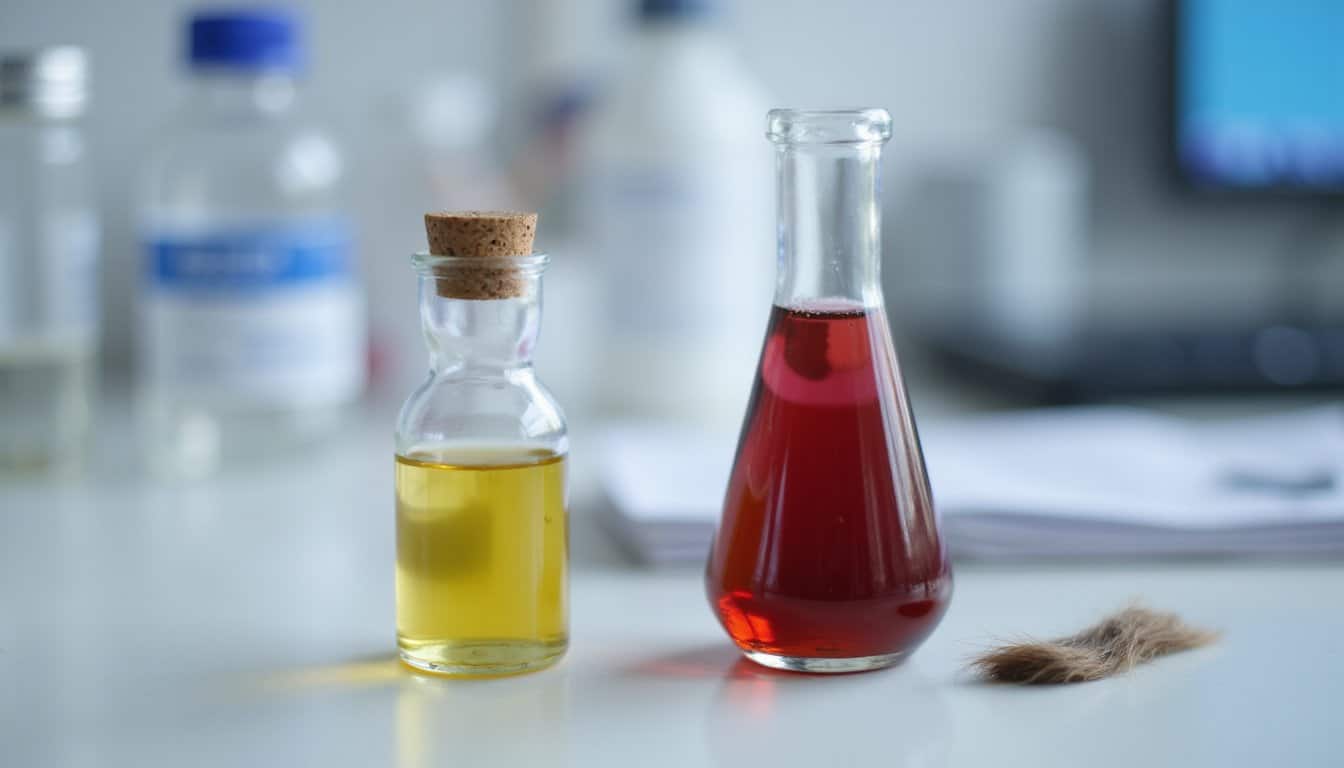
Urine testing detects psilocin for 15-48 hours post-ingestion, though heavy users may test positive up to 72 hours. Blood tests offer a narrower window—typically under 15 hours—due to rapid hepatic metabolism with a half-life of 1-3 hours. Saliva testing identifies compounds within 30 minutes of consumption but loses reliability after 12-24 hours.
Hair follicle analysis extends detection to 90 days, with each centimeter representing approximately one month of use history. However, laboratories rarely perform this test due to cost constraints.
Your individual detection timeframe depends on dosage amount, usage frequency, metabolic rate, hydration status, and the specific potency of mushroom species consumed.
What to Do If Your Shroom Trip Feels Too Long
If your shroom trip feels overwhelming or excessively prolonged, you can employ specific harm-reduction strategies to manage the experience. Grounding techniques—such as deep breathing, tactile stimulation, or verbal affirmations—help redirect your focus and reduce perceptual distress. Changing your physical environment or simply allowing yourself to ride out the peak can markedly ease the subjective intensity.
Grounding Techniques for Relief
When a psilocybin experience becomes overwhelming, grounding techniques offer evidence-based methods to regulate acute psychological distress.
Respiratory Interventions
You’ll find controlled breathing most effective for managing acute anxiety. Box breathing—inhaling for four seconds, holding for four seconds, exhaling for four seconds—activates your parasympathetic nervous system. The 4-7-8 technique provides an alternative protocol for deeper relaxation response.
Sensory-Based Grounding
The 5-4-3-2-1 method systematically engages your sensory channels:
- Identify 5 visual elements in your environment
- Notice 4 tactile sensations on your body
- Register 3 auditory inputs
- Recognize 2 distinct smells
- Acknowledge 1 taste
Somatic Awareness
Body scans redirect attention from psychological distress to physical presence. You can guide awareness systematically from head to toe, noting sensations without judgment. A trusted trip sitter provides additional reassurance during peak intensity phases.
Change Your Environment
Why does a six-hour psilocybin experience sometimes feel like it’s stretching into eternity? Psilocybin’s 5-HT2A receptor activity directly distorts temporal perception, causing minutes to dilate into perceived hours. Environmental modification serves as an evidence-based intervention for managing this distortion.
| Indoor Strategies | Outdoor Strategies |
|---|---|
| Dim lighting reduces sensory overload | Natural settings synchronize slower rhythms |
| Quiet spaces minimize stimuli | Open areas reduce claustrophobic intensity |
| Soft ambient music calms hyperarousal | Fresh air may accelerate metabolism slightly |
| Comfortable seating promotes relaxation | Natural patterns redirect cognitive focus |
| Calming scents like lavender reframe attention | Barefoot grounding stabilizes perception |
You should time environmental shifts for the post-peak plateau phase rather than forcing movements during peak intensity. A trip sitter can assist navigation, preventing disorientation during relocation between prepared spaces.
Ride Out the Peak
Although psilocybin’s peak intensity typically spans 2-4 hours post-ingestion, you can’t pharmacologically accelerate the compound’s receptor clearance once it’s active in your system. Your primary intervention involves managing psychological responses rather than altering neurochemistry.
Implement these evidence-based strategies during peak intensity:
- Practice 4-4-4 breathing protocols (inhale 4 counts, hold 4, exhale 4) to regulate autonomic nervous system activation
- Surrender to the experience rather than resisting—psychological resistance correlates with prolonged subjective distress
- Engage auditory processing with calming soundscapes designed for psychedelic states
- Utilize tactile grounding through soft textiles or smooth objects
- Have your trip sitter provide periodic time-elapsed updates to reinforce temporal awareness
Reframe peak intensity as transient neurochemical activity. Visualize the experience as a cresting wave—maximum intensity precedes inevitable decline within the 3-4 hour window.
Begin Your Path to Recovery Today
If you or someone you love is struggling with psilocybin addiction, you do not have to face it alone. At Destiny Recovery Center, we provide comprehensive Detox Treatment Programs that fit your needs and support your path to lasting recovery. Call (909) 413-4304 today and let us help you take back control of your life.
Frequently Asked Questions
Can You Sleep During a Shroom Trip or Will Effects Keep You Awake?
You’ll find sleeping during a shroom trip extremely difficult. Psilocybin’s psychedelic stimulation increases your heart rate, heightens sensory perception, and intensifies emotional activity—all counteracting drowsiness. During peak effects (1.5-3 hours post-ingestion), vivid hallucinations and altered thought patterns override your brain’s fatigue signals. Higher dosages extend this wakeful state further. You won’t realistically achieve sleep until 6+ hours post-dose when effects substantially diminish, though afterglow may still disrupt normal sleep quality.
Is It Safe to Take More Shrooms if the High Feels Weak?
Redosing during onset isn’t safe. You’re risking an overwhelming experience because psilocybin takes time to convert to psilocin in your system. Your metabolism, stomach contents, and natural mushroom potency variations all affect when you’ll feel effects. The peak typically doesn’t hit until 2-3 hours post-ingestion, so what feels weak may simply be the build-up phase. Clinical protocols don’t support self-adjusting dosages—patience is the safer approach.
Do Shroom Highs Feel Shorter or Longer Than They Actually Are?
Shroom highs typically feel shorter than their actual duration. Psilocybin disrupts your brain’s time-processing regions, creating pronounced temporal distortion during peak effects. You’ll likely experience time compression—hours feeling like minutes—especially during the 1-3 hour intensity window. Your cognitive focus shifts inward, reducing awareness of clock time. When you return to baseline after 4-6 hours, you’ll often find considerably more time has elapsed than your subjective experience suggested.
Can Eating Food During a Trip Reduce or Extend the High?
Eating food during your trip won’t markedly reduce or extend the high’s duration once psilocybin has entered your bloodstream. However, consuming food *before* ingestion can delay onset and potentially extend the overall experience by slowing absorption rates. Food doesn’t diminish psilocybin’s pharmacological potency—it simply buffers gastrointestinal distress, which may reduce your perceived intensity. Your peak window of 2-4 hours remains relatively consistent regardless of nutritional intake during the experience.
Will the High Come Back After It Seems to Have Ended?
No, the high won’t return after it’s ended. Psilocybin’s metabolism follows a linear clearance pattern without biphasic effects. Once you’ve passed the peak window and entered the resolution phase, your effects decline unidirectionally over 2-4 hours. You may notice afterglow effects—enhanced mood and clarity—for 12-24 hours, but these aren’t a return of hallucinogenic intensity. The pharmacokinetic profile produces a single-peaked curve, not multiple waves.