



Delta-8 THC typically stays detectable in your system for 2 to 30 days, though chronic users may test positive for up to 90 days with hair follicle testing. Your body metabolizes delta-8 into delta-8-THC-COOH, a metabolite that standard drug tests can’t distinguish from delta-9 THC. Detection windows vary considerably based on your consumption method, body fat percentage, and metabolic rate—factors that directly influence how quickly you’ll clear these compounds.
How Long Delta-8 Stays in Your System (Quick Answer)
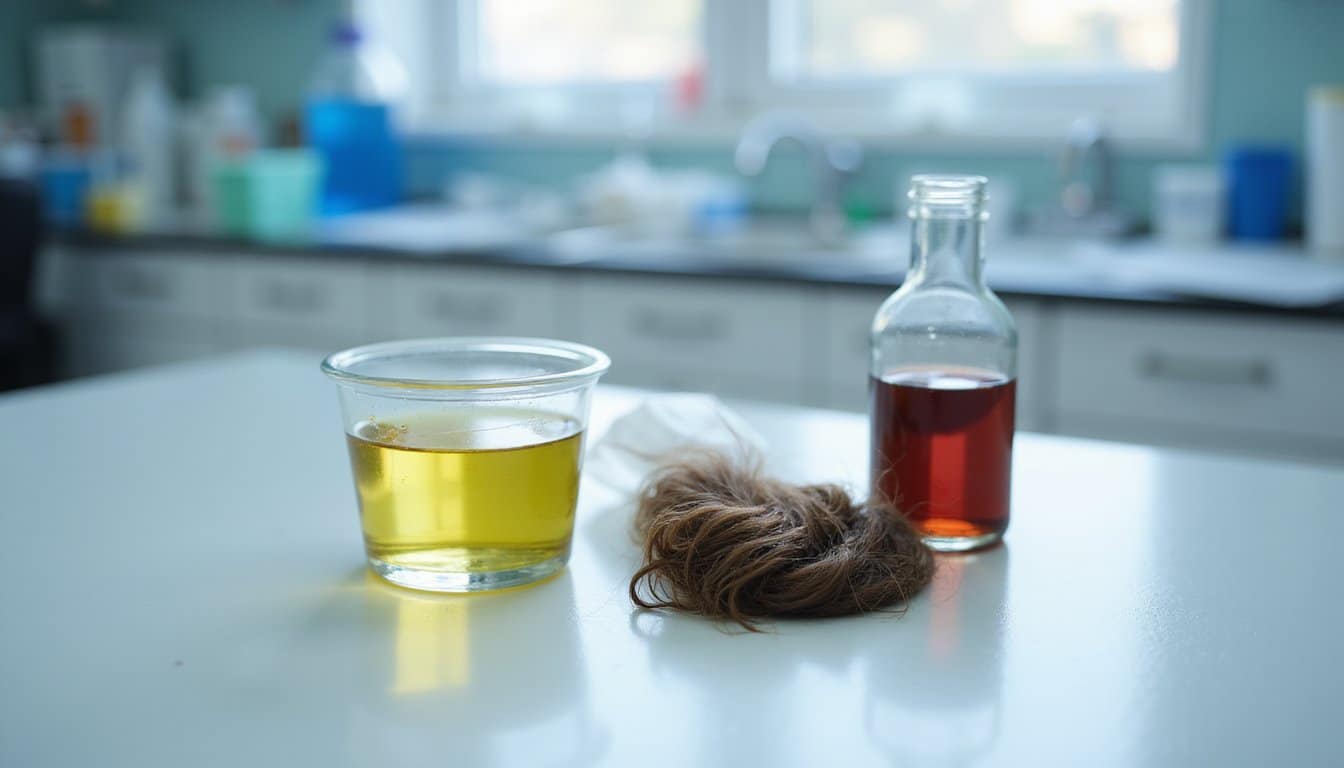
Delta-8 THC’s half-life ranges from 24 to 36 hours, meaning the parent compound reduces by half within this timeframe before your body continues breaking it down. Your system typically requires four to five half-lives to eliminate delta 8 below detectable thresholds.
For occasional users, delta 8 clears from your system within 4 to 7 days. However, the THC-COOH metabolite—not the parent compound—determines how long detection remains possible. This metabolite accumulates in fat tissues due to its lipophilic nature, extending retention considerably.
Heavy or frequent users may find delta 8 stays detectable for up to 30 days. Chronic users who consume delta-8 regularly could test positive for up to 3 months depending on their usage patterns. Consumption method matters: vaping clears faster than edibles, which undergo first-pass liver metabolism. Your body fat percentage, metabolism rate, and dosage collectively shape your personal clearance timeline. Younger individuals with faster metabolic rates generally process and eliminate cannabinoids more quickly than older users. The liver breaks down delta-8 THC using cytochrome P450 enzymes, converting it into metabolites that are more easily eliminated from the body.
Delta-8 Detection Times by Test Type
Your body metabolizes delta-8 THC into THC-COOH, a metabolite that standard drug tests detect across multiple screening methods. Urine tests offer the longest practical detection window for most users, while blood and saliva tests capture more recent consumption patterns. Hair follicle testing extends detection to 90 days, revealing long-term cannabinoid exposure that other methods can’t identify.
Urine Test Detection Windows
Understanding how long delta-8 THC shows up on a urine test requires examining the metabolic breakdown process that occurs after consumption. Your body converts delta-8 into THC metabolites, primarily THC-COOH, which standard immunoassay panels detect. These urine test detection windows vary considerably based on your consumption patterns.
| Usage Frequency | Detectable Period |
|---|---|
| Single use | 2–5 days |
| Moderate use | 5–10 days |
| Frequent use | 10–15 days |
| Daily use | 15–30 days |
| Chronic heavy use | 30–60 days |
Because delta-8’s metabolites share structural similarity with delta-9 THC-COOH, standard urine screenings can’t differentiate between them. Your fat tissue stores these metabolites, releasing them gradually into your bloodstream for elimination through urination. Heavy users should expect extended detection periods due to accumulated metabolite concentrations.
Blood and Saliva Tests
Blood and saliva tests offer shorter detection windows than urine screenings, making them better suited for identifying recent delta-8 consumption rather than historical use patterns.
Blood Tests
Delta-8 THC remains detectable in your blood for 12–48 hours after use. If you’re a heavy user, this detection window can extend to several days as metabolites accumulate in fat tissue and release gradually into your bloodstream.
Saliva Tests
Saliva testing typically identifies THC within 24 hours of consumption. However, if you use delta-8 frequently, the detection window extends to 72 hours or longer—chronic daily users may test positive for up to 29 days.
Your metabolism, body fat percentage, and hydration levels directly influence how quickly these metabolites clear from both blood and saliva samples.
Hair Follicle Testing
Hair follicle testing detects delta-8 metabolites for up to 90 days—the longest detection window among all standard drug screening methods. As THC metabolites circulate through your bloodstream, they’re deposited into hair follicles during hair growth and remain embedded in the shaft.
A standard 1.5-inch hair sample represents approximately 90 days of growth history. However, this hair follicle test proves most reliable for daily or near-daily users—research shows 75% of heavy users test positive compared to only 39% of light users.
You should note that metabolites take several days post-consumption to appear in hair. This test isn’t affected by recent detoxification efforts, making it popular for pre-employment screening despite higher costs. It’s less effective for those with short, thin hair or occasional consumption patterns.
Will Delta-8 Make You Fail a Drug Test?

Can you use delta-8 THC and still pass a drug screening? The short answer is no. Standard urine immunoassays cross-react with delta-8 metabolites, triggering positive THC results regardless of which cannabinoid you consumed.
Your body metabolizes delta-8 into delta-8-THC-COOH, a compound structurally similar to delta-9 metabolites. Most drug test panels can’t distinguish between these two substances, meaning detection of either registers as a failed test. Even if your state permits delta-8 use, employers and testing facilities typically treat positive results as cannabis consumption.
Some laboratories use confirmatory GC-MS or LC-MS testing to differentiate between delta-8 and delta-9 metabolites, but this isn’t standard practice. You shouldn’t rely on legal distinctions to protect you from a positive result—there’s no safe consumption level that guarantees you’ll pass screening.
Why Edibles Keep Delta-8 Detectable Longer Than Vapes
When you consume delta-8 through edibles, your liver converts it into 11-hydroxy-delta-8-THC during first-pass metabolism—a more potent metabolite that accumulates in fatty tissue and releases gradually into your bloodstream over days. Vaping bypasses this hepatic processing entirely, delivering delta-8 directly to your lungs and bloodstream without creating the same persistent metabolite burden. This fundamental difference means edibles produce higher metabolite concentrations that store in fat cells longer, extending your detection window substantially compared to inhalation methods.
First-Pass Liver Metabolism
Two distinct metabolic pathways determine how long delta-8 THC remains detectable in your system, and the route of administration—oral versus inhalation—triggers remarkably different outcomes. When you consume edibles, first-pass metabolism forces delta-8 through your liver’s cytochrome P450 enzymes (CYP2C9 and CYP3A4), converting it to 11-hydroxy-Δ8-THC—a potent active metabolite that penetrates brain tissue more readily than the parent compound.
| Factor | Edibles | Vapes |
|---|---|---|
| Hepatic metabolism | Extensive first-pass | Bypassed |
| 11-OH-THC ratio | >1:1 | <1:20 |
| Detection duration | Extended | Shorter |
| Drug interactions | Higher DDI risk | Minimal |
Inhalation bypasses hepatic metabolism entirely, delivering delta-8 directly into systemic circulation. This reduces metabolite production substantially, shortening your detection window. Drug interactions affecting CYP enzymes can further alter these timelines.
Fat Tissue Accumulation
Because delta-8 THC exhibits strong lipophilic properties, it doesn’t simply pass through your body—it actively binds to adipose tissue throughout your system, creating a reservoir that releases cannabinoids back into your bloodstream long after consumption.
Your body fat percentage directly determines retention duration. Higher fat compositions provide more storage sites, trapping metabolites and slowing elimination. Leaner individuals clear delta-8 faster due to fewer adipose reservoirs.
The lipophilic nature of delta-8 explains why edibles vs vaping produces dramatically different detection windows. Oral consumption routes cannabinoids through digestive processing, promoting greater fat accumulation. Edibles can remain detectable for up to 30 days, while vaping clears more rapidly through the lung-to-blood pathway.
This fat-tissue storage mechanism means your detection timeline depends heavily on consumption method and individual body composition.
Higher Metabolite Concentrations
Nearly all the Delta-8-THC you consume through edibles undergoes hepatic first-pass metabolism, where your liver converts it into 11-hydroxy-Delta-8-THC—a metabolite that’s more potent and persists extensively longer than the parent compound. This fat-soluble metabolite accumulates in adipose tissue, creating a reservoir that releases detectable compounds long after consumption.
| Factor | Edibles | Vapes |
|---|---|---|
| Primary Metabolite | 11-hydroxy-Delta-8-THC | Unchanged Delta-8-THC |
| Detection Window | Up to 30 days | 7-14 days |
| Bioavailability | 4-20% | Higher percentage |
| Metabolite Load | Increased | Minimal |
| Elimination Time | Extended | Rapid |
When you vape, Delta-8 bypasses hepatic processing entirely, entering your bloodstream through lung absorption. This means fewer metabolites accumulate, and clearance occurs faster. Edibles generate higher metabolite concentrations that require extended elimination pathways.
What Makes Some People Clear Delta-8 Faster?
Your body’s ability to break down Delta-8-THC hinges on several interconnected biological and behavioral factors that determine how quickly metabolites clear your system. Genetics and metabolism play foundational roles—genetic variations affect enzyme expression in your liver, directly influencing how rapidly you process cannabinoids. Faster metabolic rates accelerate THC-COOH elimination, while slower rates extend detection windows considerably.
Age and body composition create additional variability. As you age, metabolic efficiency declines, prolonging clearance times. Higher body fat percentages store fat-soluble metabolites longer, releasing them gradually into your bloodstream.
Your consumption method also matters greatly. Inhaling Delta-8 through vaping allows quicker bloodstream entry and potentially faster elimination compared to edibles. Gummies undergo first-pass liver metabolism, generating higher 11-hydroxy metabolite loads that require extended processing time before complete clearance occurs. The effects of delta8 vape effects duration can vary significantly based on individual metabolism and tolerance levels. Users often report feeling the effects of Delta-8 almost immediately, making it a preferred choice for those seeking rapid relief. However, the duration of these effects can range from a few hours to more, depending on factors such as dosage and frequency of use.
Detection Windows for Heavy vs. Occasional Users
Detection windows shift dramatically based on whether you’re an occasional or heavy Delta-8 user, and understanding these differences helps predict how long THC metabolites remain traceable in your system.
Your dose and frequency directly determine metabolite accumulation. Occasional users typically clear urine tests within 1-3 days, while heavy users face detection periods extending 15-30+ days. Blood tests reveal similar patterns—occasional use clears in 1-2 days, but prolonged use in heavy users can remain detectable for 25-30 days.
High doses and large amounts saturate fat cells, creating continuous metabolite release. Frequent users experience compounding effects where each dosage adds to existing THC stores. Hair follicle tests show the starkest contrast: occasional users may test positive for 5-10 days, while frequent use extends detection to 90 days.
How Long to Wait Before Your Drug Test
Because THC metabolites accumulate in fat tissue and release gradually into your bloodstream, calculating safe wait times before a drug test requires matching your usage pattern to each test’s detection window.
For a urine-based drug screening test, occasional users should wait at least 3-5 days, while frequent users need 2-4 weeks minimum. Blood tests require 24-48 hours for most users, though heavy substance use may extend detection to several days. Saliva tests typically clear within 1-3 days for moderate users.
No reliable method guarantees passing if you’ve used delta-8 recently. Your metabolism, body fat percentage, and hydration levels directly influence clearance rates. Hair follicle tests present the greatest challenge, retaining metabolites for 90+ days regardless of usage frequency, making them nearly impossible to outpace through waiting alone.
Start Your Recovery Journey With Us
If you or someone you love is struggling with Cannabis addiction, help is closer than you think. At Destiny Recovery Center, we provide comprehensive Detox Treatment Programs that fit your needs and support your path to lasting recovery. Call (909) 413-4304 today and take the first step toward a healthier and brighter future.
Frequently Asked Questions
Can Secondhand Delta-8 Smoke Cause a Positive Drug Test Result?
Yes, you can test positive from secondhand delta-8 smoke, though it’s unlikely under normal circumstances. You’d need prolonged exposure in an unventilated space for your body to absorb enough THC to produce detectable metabolites. Standard drug tests can’t distinguish delta-8 from delta-9, so any THC-COOH in your urine triggers a positive result. If you’re in well-ventilated areas with brief exposure, you probably won’t absorb significant metabolite-producing amounts.
Does Delta-8 Show up Differently Than CBD on Drug Tests?
Yes, delta-8 and CBD show up very differently on drug tests. When you consume delta-8, your body metabolizes it into THC-COOH—the same metabolite produced by delta-9 THC—which standard drug panels actively detect. CBD, however, doesn’t produce THC metabolites during metabolism. Since drug tests specifically screen for psychoactive THC compounds and their metabolites, you’ll test positive after using delta-8 but not from CBD consumption alone.
Will Drinking Cranberry Juice or Detox Drinks Help Clear Delta-8 Faster?
No, cranberry juice and detox drinks won’t help you clear delta-8 faster. There’s no clinical evidence these methods accelerate THC-COOH metabolite elimination from your system. Delta-8’s fat-soluble nature means it’s stored in adipose tissue, unaffected by acidic beverages or commercial detox products. While temporary urine dilution might occur, lab confirmation tests like GC-MS will still detect metabolites. Your metabolism, body fat percentage, and usage frequency determine clearance rates—not detox drinks.
Can Prescription Medications Affect How Long Delta-8 Stays Detectable?
Yes, prescription medications can substantially affect delta-8 detection times. Drugs that inhibit CYP2C9 and CYP3A4 enzymes—including SSRIs, opioids, and certain antibiotics like erythromycin—slow THC-COOH metabolism, prolonging detectability. Conversely, enzyme inducers like carbamazepine and phenytoin accelerate metabolite clearance, potentially shortening detection windows. Antihistamines can extend saliva detection from 24 to 48-72 hours, while NSAIDs delay urinary excretion by competing for glucuronidation pathways. Individual enzyme polymorphisms amplify these effects by 20-50%.
Does Exercising Before a Drug Test Help or Hurt My Chances?
Exercising before a drug test can actually hurt your chances. When you work out, you burn fat cells where Delta-8 THC metabolites are stored, releasing THC-COOH back into your bloodstream and urine. This temporary spike increases detectable metabolite concentrations. You should avoid intense exercise 24-48 hours before testing to prevent heightened levels. Additionally, exercise-induced dehydration concentrates your urine, further raising metabolite detection thresholds and increasing positive result likelihood.