
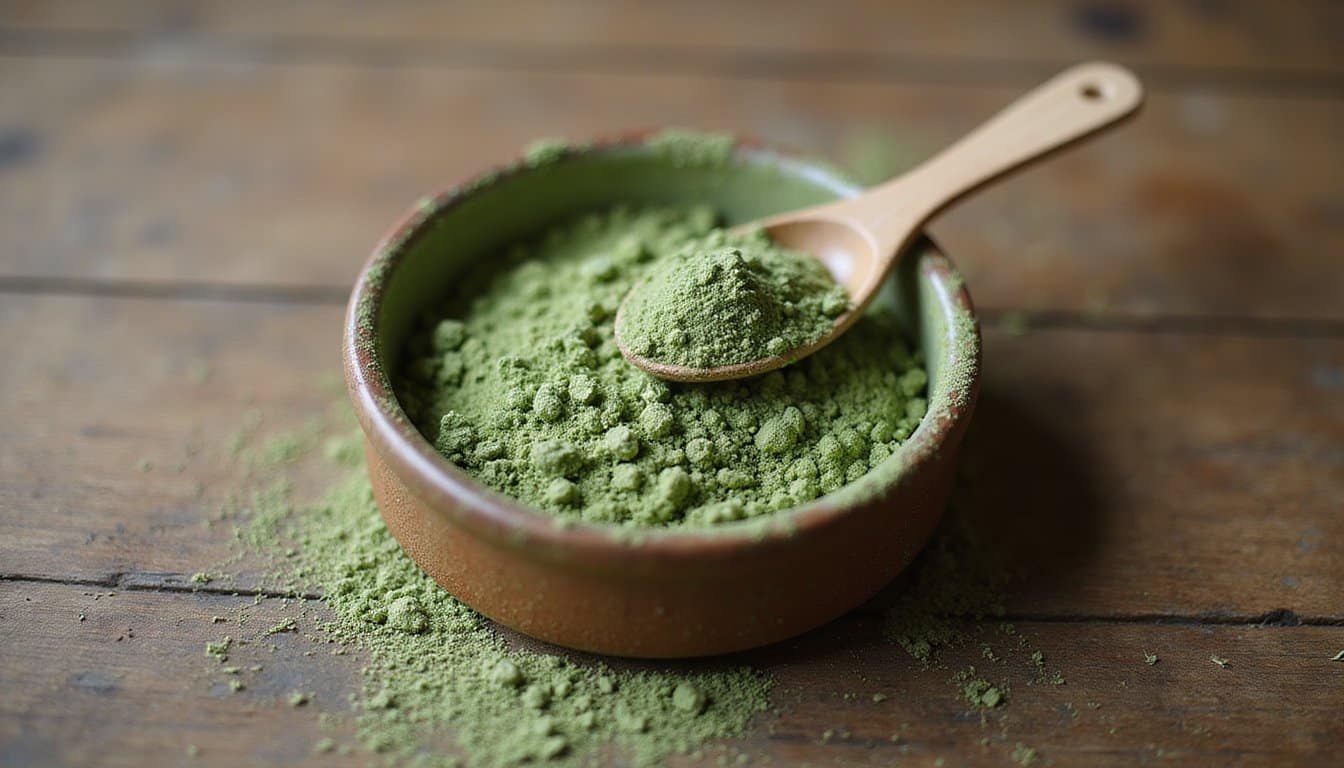
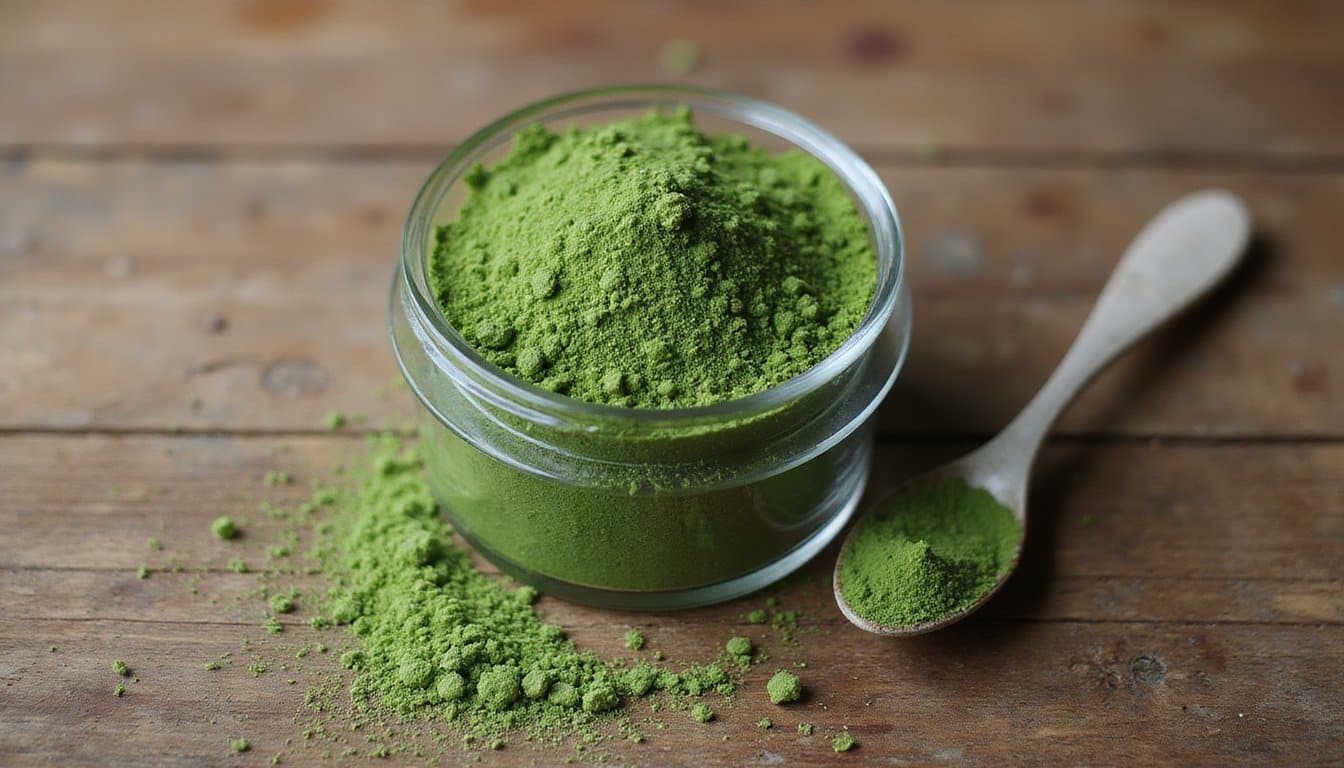
Experts are concerned about Feel Free kratom drinks because the active alkaloids bind to your brain’s mu-opioid receptors, triggering the same dependence pathways as prescription painkillers. You’re facing real risks: the FDA hasn’t approved kratom for any use, and documented adverse events include liver toxicity, seizures, and Salmonella contamination. Regular consumption can lead to tolerance and withdrawal symptoms that mirror opioid addiction. Understanding the full scope of these dangers reveals why federal agencies have issued serious warnings.
How Kratom Binds to Opioid Receptors and Drives Chemical Dependence

Kratom’s ability to create chemical dependence stems directly from how its alkaloids interact with your brain’s opioid receptors. Mitragynine and 7-hydroxymitragynine bind primarily to mu-opioid receptors, producing partial agonist effects that activate reward pathways while triggering neuroadaptive changes.
When you consume kratom repeatedly, your brain’s cAMP signaling becomes disrupted, particularly in the locus coeruleus. This disruption drives physical dependence and withdrawal symptoms. Meanwhile, biased agonism impacts how your receptors respond, kratom alkaloids preferentially activate G-protein pathways over beta-arrestin recruitment, which may reduce some acute risks but doesn’t prevent tolerance development.
Your mesolimbic reward circuitry undergoes changes as mu-opioid activation disinhibits dopamine neurons, reinforcing continued use. Naloxone blocks kratom’s effects, confirming these pathways mediate both its benefits and dependence potential. Beyond opioid receptors, kratom alkaloids like corynantheidine also bind to additional targets including the human α2A adrenergic receptor and NMDA receptor, which may contribute to the complexity of dependence patterns. Notably, 7-hydroxymitragynine exhibits approximately fivefold greater affinity at the mu-opioid receptor compared to mitragynine, which may intensify dependence potential in products containing higher concentrations of this alkaloid. Research has identified CYP3A4 as the major CYP isoform responsible for mitragynine metabolism, meaning individuals taking medications that inhibit this enzyme could experience elevated kratom levels and potentially accelerated dependence development.
The Misleading “Natural” and “Alcohol Alternative” Marketing Claims
How does a drink containing two powerful psychoactive substances end up marketed like a wellness shot? Feel Free’s botanical branding positions kratom and kava as clean-label ingredients alongside terms like “plant-based,” “sugar-free,” and “kosher-certified.” These wellness claims obscure that you’re consuming substances linked to opioid-like effects and liver injury.
The “alcohol alternative” messaging presents similar risks. While the product is caffeine-free and alcohol-free, it delivers sedation from kava and euphoria from kratom, creating a psychoactive profile that mimics alcohol’s appeal. Reports indicate many regular users require multiple bottles daily to avoid fatigue or irritability. This pattern of escalating use mirrors traditional substance use disorders. The Child Mind Institute has described kratom as dangerously addictive, highlighting the serious dependency risks associated with regular consumption.
“Natural” doesn’t mean safe or regulated. The FDA hasn’t approved either ingredient for any medical use, and several jurisdictions have banned kratom outright. You’re traversing a regulatory gray zone disguised as wellness. Each bottle contains 3500 mg of kratom leaf extract, a significant dose that contributes to the product’s potent psychoactive effects.
Why the FDA Has Not Approved Kratom for Any Medical Use
Despite kratom’s growing popularity as a purported remedy for pain and opioid withdrawal, the FDA has not approved it, or any product containing its active compounds mitragynine and 7-hydroxymitragynine, for any medical use. This regulatory uncertainty stems from significant clinical evidence gaps regarding kratom’s safety and efficacy.
You should understand that the FDA doesn’t recognize kratom as a safe or effective treatment for any health condition. The agency has issued direct warnings to consumers, citing serious adverse effects and safety concerns. Without sufficient data demonstrating therapeutic benefit, kratom can’t be lawfully marketed as a drug, dietary supplement, or food additive. Additionally, kratom products may contain harmful contaminants that produce unexpected effects beyond those caused by kratom compounds alone.
While research continues through NIH-funded studies, proven FDA-approved medications already exist for opioid withdrawal and pain management. The DEA has also listed kratom as a drug and chemical of concern, reflecting federal agencies’ shared apprehension about its safety profile. These compounds attach to mu-opioid receptors in the brain, the same sites targeted by opioids like codeine and morphine. Until clinical evidence gaps are addressed, kratom products like Feel Free remain unvalidated alternatives carrying unknown risks.
Documented Health Risks Including Liver Toxicity and Seizures
When you consume kratom products like Feel Free, you’re exposing yourself to documented risks that extend beyond mild side effects. The FDA has identified liver toxicity and seizures among kratom’s serious adverse events. Clinical reports describe idiosyncratic liver toxicity presenting as jaundice, pruritus, and heightened liver enzymes within weeks of regular use.
U.S. poison control centers logged over 3,400 kratom-related calls between 2014 and 2019. These cases included kratom induced seizures, confusion, and cardiovascular complications. Seizure risk increases when you combine kratom with alcohol or sedatives. Dozens of wrongful death lawsuits have been filed across the country related to kratom, underscoring the severity of potential outcomes.
The mechanistic concern centers on mitragynine and 7-hydroxymitragynine’s opioid-like pharmacology combined with variable product potency. This unpredictability contributes to central nervous system toxicity. Some reported cases involved life-threatening outcomes, though polysubstance use complicates attribution. The unregulated nature of kratom means that products can contain varying amounts and strengths of active ingredients, further increasing the risk of overdose or toxicity. Additionally, increased tolerance to kratom can lead users to consume higher dosages, which further exacerbates these serious health risks.
Contamination Concerns From Salmonella and Heavy Metals in Kratom Products
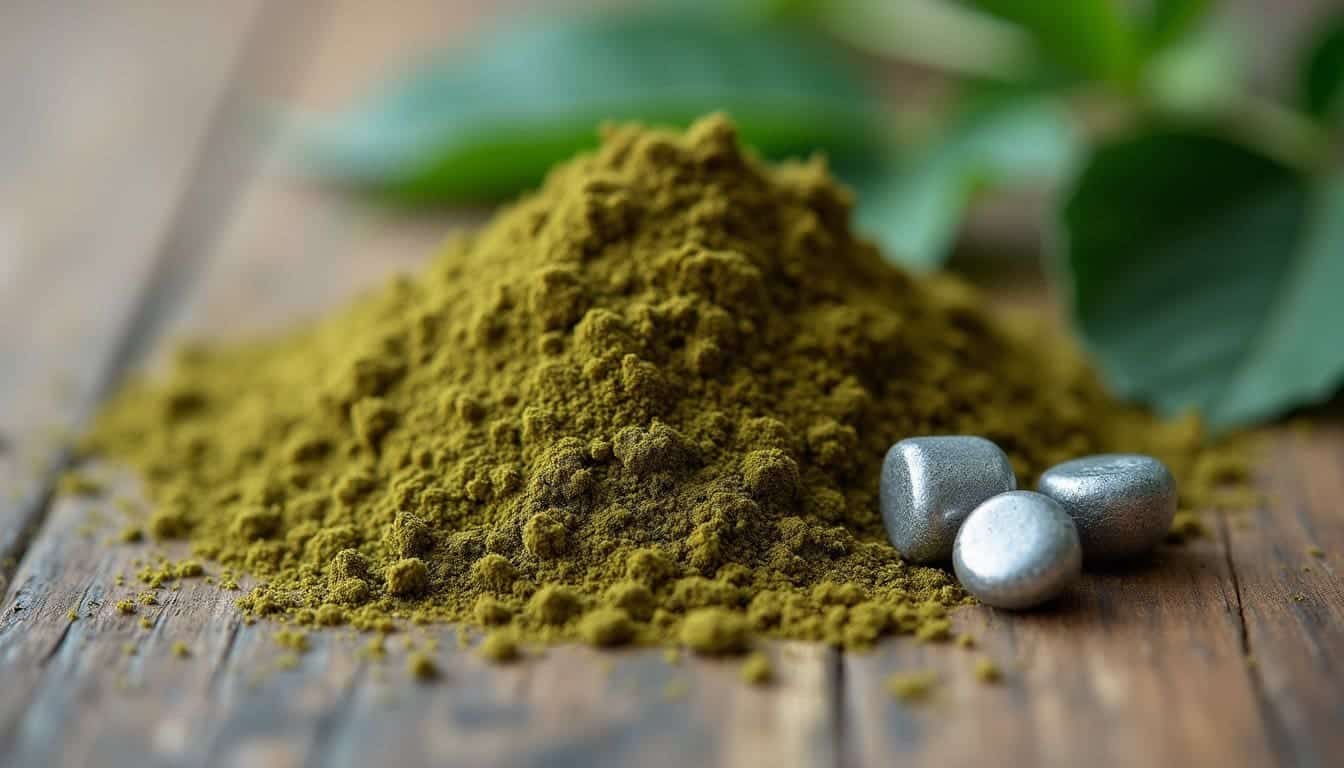
Beyond the inherent pharmacological risks of kratom’s active compounds, contamination introduces additional hazards that you can’t predict or control through dosing. FDA investigations have linked kratom products to multistate Salmonella outbreaks, with more than 35 deaths associated with contaminated products. These outbreaks affected capsules, powders, and herbal mixes, demonstrating widespread vulnerability across product formats.
The unregulated supply chain compounds these dangers. FDA testing has detected concerning levels of heavy metals, including lead and nickel, in kratom products. Mayo Clinic confirms these findings, noting chronic exposure risks including neurological, renal, and cardiovascular damage. The complex and fragmented supply chain of distributors, wholesalers, retailers, and individuals creates significant challenges for FDA in regulating these unapproved products.
Lax quality control at manufacturing and handling stages allows contamination to persist undetected. Without mandatory testing requirements, you’re fundamentally trusting overseas suppliers and domestic processors to self-regulate, a system that’s already demonstrated repeated failures with documented illness clusters.
How Tolerance and Withdrawal Symptoms Develop With Regular Use
When you consume Feel Free kratom drink regularly, mitragynine and 7-hydroxymitragynine bind to your mu-opioid receptors as partial agonists, triggering neuroadaptations that reduce receptor sensitivity and force you to increase your dose to achieve the same effects. This tolerance typically develops within weeks to months of consistent use, with escalating consumption patterns representing a core feature of Kratom Use Disorder. Research indicates that nearly 30% of regular users meet criteria for current Kratom Use Disorder, with tolerance and withdrawal representing the primary diagnostic features rather than psychosocial impairments. If you stop abruptly after developing tolerance, you’ll likely experience a physical withdrawal syndrome, including muscle aches, nausea, diarrhea, insomnia, and anxiety, that begins 12–48 hours after your last dose and peaks around days 2–3. Because each person’s withdrawal process is unique, stopping kratom use abruptly can be dangerous and should not be done without medical supervision.
Opioid Receptor Binding Effects
The alkaloids in Feel Free, particularly mitragynine and 7-hydroxymitragynine, bind directly to your brain’s µ-opioid receptors, the same targets that morphine and heroin activate. While mitragynine functions as a partial agonist with lower efficacy than morphine, 7-hydroxymitragynine demonstrates substantially greater potency, amplifying receptor-mediated effects even at low concentrations.
Differential receptor effects complicate your body’s response. Mitragynine inhibits binding at both µ-opioid (approximately 90%) and κ-opioid (approximately 90%) receptors, while showing minimal δ-opioid activity. This dual engagement creates unique neurological consequences, including potential dysphoria from κ-receptor activation.
Variable alkaloid profiles in kratom products mean your exposure shifts with each batch. Concentrated extracts and enhanced drinks often contain heightened 7-hydroxymitragynine levels, intensifying µ-receptor activation and accelerating the cellular adaptations that drive tolerance and dependence.
Escalating Dose Requirements
How quickly does your body adapt to Feel Free’s effects? Clinical evidence shows tolerance develops rapidly with near-daily consumption, often within weeks. Your brain undergoes neuroadaptation, downregulating receptors and reducing sensitivity to kratom’s active compounds. This forces dose escalation, case data document progression from 1–2 bottles daily to 6–8 bottles within six months.
As tolerance builds, you’ll likely experience cravings and use more than intended. Between doses, anxiety, irritability, and restlessness emerge, driving compulsive redosing just to feel normal. This cycle creates difficulty tapering use, as your adapted reward pathways now require the substance to maintain baseline function.
The consequences extend beyond dependence. Escalating consumption patterns correlate with reduced quality of life, impaired sleep, and daytime fatigue, trapping users in continuous dosing cycles.
Physical Withdrawal Syndrome
Escalating doses aren’t just a tolerance problem, they’re rewiring your brain for physical dependence. Repeated kratom exposure triggers neuroadaptations in your opioid receptors, meaning your body can’t function normally without the substance. This directly increases withdrawal severity when you stop.
What happens when you quit:
- Rapid onset: Withdrawal symptoms typically begin 6–12 hours after your last dose, peaking within 24–72 hours.
- Physical distress: You’ll likely experience muscle aches, gastrointestinal upset, sweating, chills, and flu-like symptoms.
- Prolonged recovery: While acute symptoms subside within 4–7 days, some users face weeks of fatigue, sleep disruption, and mood instability.
These cessation challenges mirror classical opioid withdrawal patterns. The “natural” label doesn’t prevent your nervous system from becoming dependent on Feel Free’s active compounds.
The Dangers of Unregulated Dosing and Inconsistent Potency
Because Feel Free’s sleek 2-ounce shots pack concentrated kratom and kava into what’s marketed as a harmless “plant-based tonic,” consumers often don’t realize they’re ingesting potent opioid-like alkaloids at doses that remain entirely unspecified. These exposure risks intensify when you consider that FDA hasn’t established any dosing standards for kratom products.
| Risk Factor | Consumer Impact |
|---|---|
| No standardized dosing | Self-experimentation and overdose potential |
| Potency variations between batches | Unpredictable opioid-like effects |
| Mitragynine content fluctuations | Difficulty tapering safely |
| Absent GMP manufacturing | Inconsistent alkaloid concentrations |
| No serving limits | Accelerated tolerance and dependence |
You can’t predict what you’re actually consuming. This variability drives relapse cycles and complicates any attempt to reduce intake safely.
Special Risks for Youth, Pregnant Women and Vulnerable Populations
Three populations face disproportionately severe risks from Feel Free consumption: adolescents with developing brains, pregnant or breastfeeding women, and individuals with pre-existing mental health conditions.
Adolescents, pregnant women, and those with mental health conditions face the greatest dangers from Feel Free’s deceptive appeal.
Key Risk Categories:
- Youth developmental impact: Kratom’s opioid-like binding disrupts prefrontal cortex maturation, heightening addiction vulnerability and impairing academic performance through sedation and withdrawal symptoms.
- Prenatal exposure: FDA-documented neonatal abstinence syndrome cases show newborns experiencing jitteriness, irritability, and muscle stiffness requiring medical intervention after in-utero kratom exposure.
- Mental health complications: You’ll face compounded recovery challenges if you have anxiety, depression, or ADHD, self-medicating with Feel Free worsens symptoms and complicates clinical treatment.
Poison control centers logged over 3,400 kratom-related calls between 2014–2019, including adolescent cases presenting with seizures and confusion. Marketing Feel Free as a “sober alternative” undermines abstinence efforts, fostering cross-addiction patterns.
Legal Actions and Class Action Lawsuits Against Feel Free Manufacturers
A courtroom filing in March 2023 transformed consumer complaints about Feel Free into formal legal action. The Torres v. Botanic Tonics lawsuit alleged insufficient disclosure of kratom’s opioid-like properties and habit-forming potential, targeting marketing that positioned the drink as a “safe” alcohol alternative.
You should understand the settlement’s scope. The $8.75 million agreement covers U.S. consumers who purchased Feel Free products between March 2019 and March 2025. If you bought these tonics, you can claim approximately $10 per bottle, with up to 10 bottles requiring no proof of purchase.
The case remains in early settlement stages, with preliminary approval granted in March 2025 and final approval hearings scheduled for June 2025. Claims must be submitted by June 17, 2025, to qualify for compensation.
Frequently Asked Questions
Can You Safely Mix Feel Free With Prescription Medications or Alcohol?
No, you shouldn’t mix Feel Free with prescription medications or alcohol. The kratom and kava in Feel Free create serious interactions with supplements and medications, particularly sedatives, opioids, and hepatotoxic drugs. Combining it with alcohol stacks CNS depression, increasing overdose and liver damage risks. Potential side effects include respiratory impairment, seizures, and severe hepatotoxicity. The FDA warns against kratom use entirely, and most kratom-linked deaths involve polypharmacy, making any combination dangerous.
How Long Does Kratom From Feel Free Stay in Your System?
Kratom from Feel Free typically stays in your system for 2–5 days, depending on your usage patterns. The kratom half life duration ranges from 7–24 hours, meaning heavy users clear it more slowly. You’ll detect it in urine for 1–7 days and blood for up to 24 hours. Consider potential long term effects: chronic use causes accumulation, prolonging clearance and increasing toxicity risks, especially since Feel Free combines kratom with kava, compounding liver stress.
Will Feel Free Show up on a Standard Workplace Drug Test?
No, Feel Free won’t appear on standard workplace routine tests. These panels screen for cannabinoids, cocaine, amphetamines, opiates, and PCP, not kratom alkaloids like mitragynine. However, you face two key risks: rare false positives from cross-reactivity and potential adulteration with detectable opioids. Legal concerns over Feel Free also mean some employers add kratom-specific panels, particularly in safety-sensitive roles. Always verify your employer’s testing scope before assuming you’ll pass.
Are There Any Safe Alternatives to Feel Free for Stress Relief?
Yes, you’ll find several evidence-based alternatives with stronger safety profiles. Natural herbal remedies like chamomile extract and lavender oil (Silexan) demonstrate anxiolytic effects without dependency risks. Botanical supplements including L-theanine and magnesium glycinate reduce stress markers in clinical trials. You can also consider MBSR programs, regular exercise, and CBD products where legal. For significant stress, SSRIs or buspirone offer FDA-regulated options with established monitoring protocols, unlike Feel Free’s unregulated formulation.
How Can Someone Get Help for Feel Free Addiction or Dependence?
You can start by contacting your primary care doctor or an addiction medicine specialist who’ll assess your dependence level and recommend appropriate treatment options. For heavy use, medically supervised withdrawal management reduces symptom severity and health risks. Evidence-based approaches include outpatient counseling programs, cognitive behavioral therapy, and peer support groups. You should also call SAMHSA’s helpline (1-800-662-4357) for free, confidential referrals to local treatment services familiar with kratom-related dependence.