
Drinking alcohol on your period can worsen cramps by elevating prostaglandin levels and causing dehydration, which tightens uterine muscles. You’ll likely experience heavier bleeding because alcohol dilates blood vessels and interferes with estrogen clearance. It also disrupts your hormonal balance, raising estrogen and cortisol while depleting progesterone. Moderate drinking typically won’t cause major issues, but heavy consumption increases inflammation and cycle irregularities. Understanding how alcohol affects each phase helps you make informed choices. Drinking alcohol on your period can worsen cramps by elevating prostaglandin activity and causing dehydration, which tightens uterine muscles. If you’re wondering is it bad to drink alcohol on your period, the answer depends largely on amount and individual sensitivity. You may also notice heavier bleeding in some cases because alcohol can dilate blood vessels and interfere with normal hormonal regulation. It disrupts your hormonal balance, potentially raising estrogen and cortisol while depleting progesterone. Moderate drinking typically won’t cause major issues, but heavy consumption increases inflammation and the risk of cycle irregularities. Understanding how alcohol affects each phase helps you make informed choices.
How Alcohol Makes Period Cramps Worse
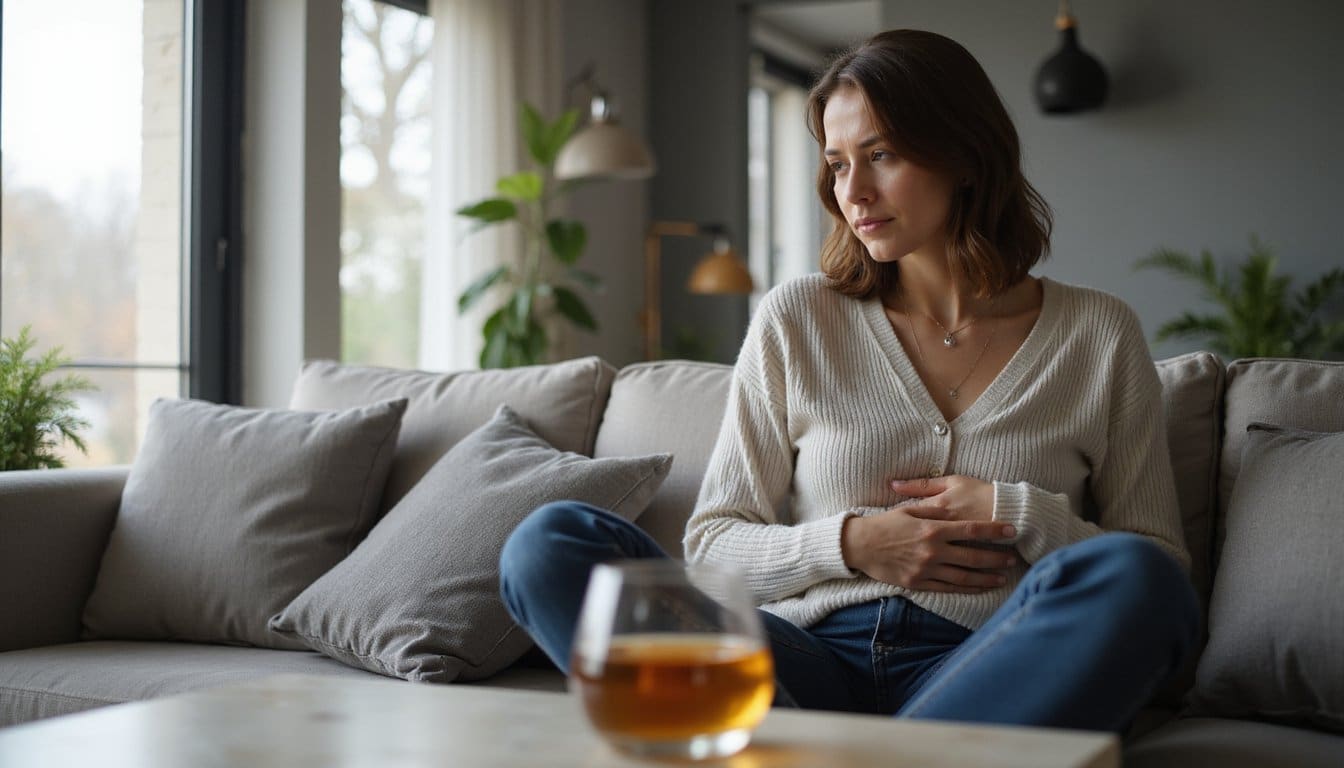
Alcohol can intensify period cramps through several interconnected mechanisms that affect your body’s inflammatory and hormonal responses. When you drink, your body experiences a ProstaglandinImbalance—alcohol elevates prostaglandin levels, triggering stronger uterine contractions and worsening cramp severity. Binge drinking shows the most pronounced effect on this balance.
Dehydration compounds the problem. Alcohol‘s diuretic properties cause fluid loss, tightening your uterine muscles and making contractions more intense. Additionally, alcohol disrupts your sleep quality and depletes magnesium, both factors that amplify pain perception. This dehydration can also thicken menstrual fluids and blood, contributing to heavier and more uncomfortable periods.
The inflammatory effects are equally significant. After alcohol’s temporary numbing wears off, rebound inflammation sharpens cramp sensations. Your body’s already elevated baseline inflammation during menstruation becomes further amplified, creating a cycle of increased discomfort that extends beyond the initial drinking session. Poor sleep from drinking can also lower your pain threshold, making cramps feel even more severe than they otherwise would.
Why Drinking on Your Period Means Heavier Bleeding
When your liver processes alcohol, it deprioritizes estrogen clearance—allowing more of this hormone to circulate in your bloodstream. This elevated estrogen stimulates your uterine lining to grow thicker during your cycle’s proliferative phase. When menstruation begins, there’s simply more tissue to shed—resulting in heavier bleeding.
Drinking on your period also affects blood flow directly. Alcohol dilates blood vessels and reduces platelet clumping, which can thin your blood and increase menstrual flow. Additionally, alcohol on period consumption causes dehydration, thickening your menstrual blood and potentially prolonging bleeding duration. Alcohol also increases prostaglandin levels, which can intensify painful period cramps alongside the heavier bleeding.
Research shows that period and alcohol don’t mix well for many women—up to half of those with alcohol dependence experience dysfunctional bleeding patterns. Even moderate drinking marginally increases estrogen, while heavy consumption dramatically intensifies these effects. Binge drinking, defined as consuming four or more drinks, triggers significant hormonal disruptions that moderate drinking does not.
What Alcohol Does to Your Hormones During Your Cycle
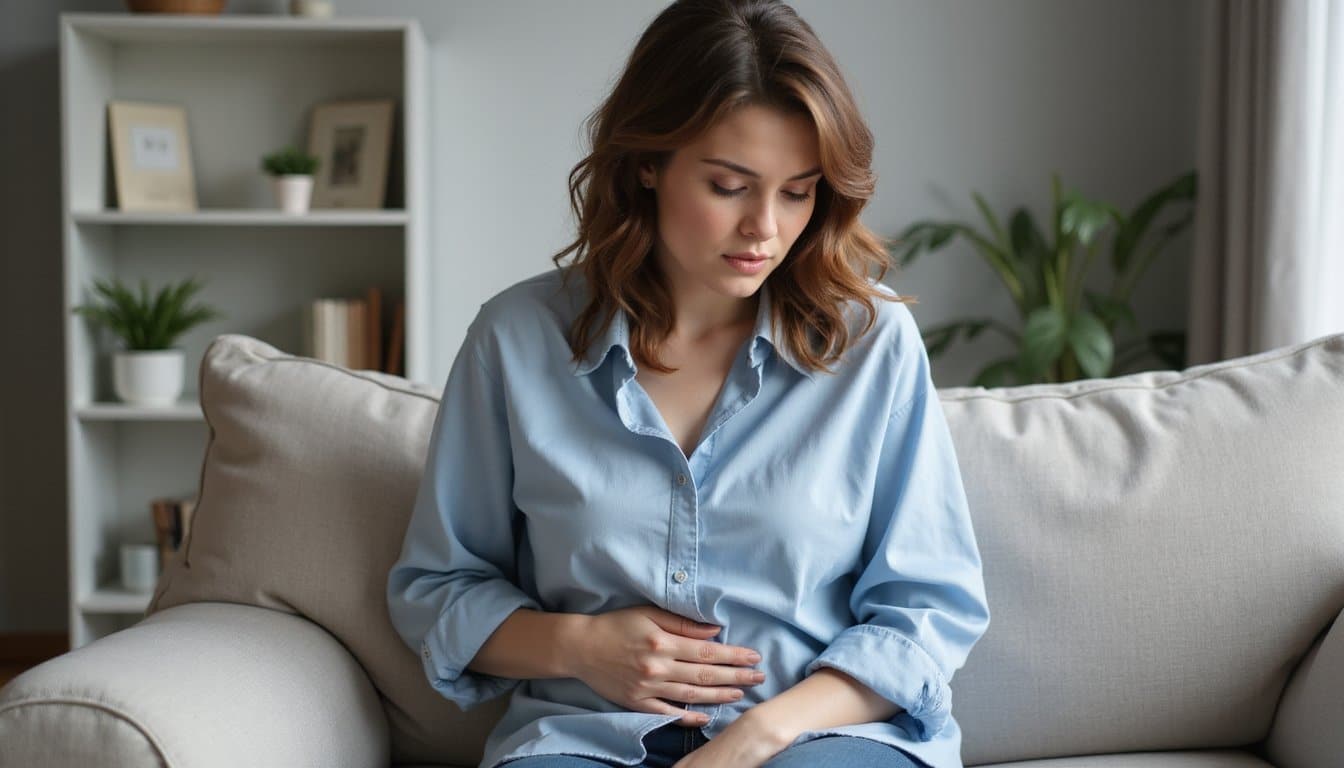
Your menstrual cycle depends on precise hormonal communication between your brain and ovaries—a system called the hypothalamic-pituitary-ovarian (HPO) axis. When drinking alcohol on period, you disrupt this delicate signaling pathway, triggering a cascade of hormonal imbalances.
Alcohol elevates estrogen while depleting progesterone—a combination that contributes to heavier bleeding and irregular cycles. It also raises testosterone levels, which can intensify mood swings and irritability during PMS. Additionally, alcohol suppresses luteinizing hormone (LH), potentially disrupting ovulation timing. Alcohol also stimulates the HPA axis, increasing cortisol levels and leaving your body in flight-or-fight mode instead of the rest and repair state needed for hormonal balance. Heavy drinking over time can also lead to amenorrhea, the complete absence of menstrual periods.
How Drinking Dehydrates You and Disrupts Sleep
The diuretic effect of alcohol compounds menstrual discomfort by depleting your body’s fluid reserves precisely when you need them most. Alcohol suppresses vasopressin, the hormone that helps your kidneys reabsorb water, triggering excessive urination that flushes out crucial fluids and electrolytes. This dehydration intensifies period symptoms like headaches, fatigue, and muscle aches. Older adults and people with chronic conditions face even greater dehydration risk when combining alcohol with menstruation.
Your sleep quality suffers greatly when you drink during menstruation. While alcohol initially sedates you, it disrupts restful sleep through inflammatory responses and blood sugar fluctuations. You’ll likely experience restlessness, rapid heart rate, and impaired overnight recovery. This dehydration can also impair cognitive functions like memory and attention, making it harder to manage daily tasks during your period.
Drinking on an empty stomach accelerates both alcohol absorption and dehydration. Watch for warning signs: dark urine, dizziness, and persistent thirst indicate your body’s struggling to maintain proper fluid balance.
Is It Safe to Drink on Your Period?
Beyond dehydration and sleep disruption, you may wonder whether drinking alcohol during your period poses broader health concerns.
The evidence suggests occasional moderate drinking typically doesn’t cause major cycle disruption. Your body can generally handle light consumption without significant consequences. However, heavy or chronic use creates genuine risks, including hormonal imbalance that affects your hypothalamic-pituitary-ovarian axis. Chronic alcohol use can even lead to complete cessation of menstruation.
Your menstrual and luteal phases are most vulnerable to alcohol’s adverse impacts. During these times, drinking can worsen existing symptoms and intensify discomfort. Alcohol increases inflammation and uterine contractions, which can make cramps significantly worse. Individual sensitivity varies considerably—some women notice effects from small amounts while others tolerate moderate intake.
If you choose to drink during your period, monitoring your consumption helps maintain balanced cycles. Watch how your body responds and adjust accordingly.
Frequently Asked Questions
Can Drinking Alcohol Delay or Skip My Period Entirely?
Yes, alcohol can delay or even skip your period entirely. When you drink heavily or frequently, you disrupt the hormonal signals controlling your cycle. Alcohol blunts the luteinizing hormone surge needed for ovulation, and elevated cortisol from drinking adds stress that further delays this process. Over time, excessive consumption can lead to irregular, late, or absent periods. If you’re experiencing cycle changes, monitoring your intake may help restore regularity.
Does Alcohol Affect How Well Period Pain Medications Work?
Yes, alcohol can reduce how well your period pain medications work. It interferes with your body’s natural pain-processing systems and may alter how your liver metabolizes drugs. Alcohol’s dehydrating effects worsen cramping, counteracting medication benefits. It also disrupts sleep and neurotransmitter function, amplifying pain perception. Mixing alcohol with sedative pain relievers poses serious health risks. You’ll likely get better relief by avoiding alcohol while taking period pain medications.
Will Drinking Alcohol Worsen Bloating During My Period?
Yes, drinking alcohol will likely worsen bloating during your period. Alcohol acts as a diuretic, causing dehydration that thickens menstrual fluids and intensifies bloating. It also increases prostaglandin levels, triggering inflammation that irritates your gut and slows digestion. Additionally, alcohol elevates estrogen and cortisol, disrupting hormonal balance and amplifying water retention. Carbonated alcoholic drinks add gas, further magnifying discomfort. You’ll manage symptoms better by limiting alcohol during menstruation.
Can Alcohol Use During Menstruation Increase the Risk of Yeast Infections?
Yes, alcohol use during menstruation can increase your risk of yeast infections. Alcohol weakens your immune system, making it harder for your body to control Candida growth. It also disrupts your gut microbiome, which directly influences vaginal flora balance. Additionally, alcohol converts to sugar in your body, creating an environment where yeast thrives. If you’re prone to infections, you’ll want to limit intake and choose low-sugar options.
Does the Type of Alcohol Matter When Drinking on Your Period?
The type of alcohol you choose matters less than how much you drink. All alcoholic beverages affect your hormones and hydration similarly during menstruation. However, sugary cocktails and high-sugar mixers can worsen bloating and inflammation, while carbonated drinks may increase cramping discomfort. You’ll want to avoid drinks with high sugar content and stay mindful of portion sizes, as your body processes alcohol differently throughout your cycle.