
Yes, alcohol makes period cramps worse through multiple mechanisms. When you drink, your body produces more prostaglandins—the lipid compounds that force your uterine wall into painful contractions. Alcohol also acts as a diuretic, depleting magnesium stores critical for muscle relaxation while thickening menstrual blood, making your uterus work harder to expel it. Additionally, alcohol slows estrogen breakdown, causing hormonal spikes that stimulate excessive endometrial growth and heavier bleeding. Understanding exactly how these processes interact can help you minimize discomfort.
Yes, Alcohol Really Does Make Period Cramps Worse
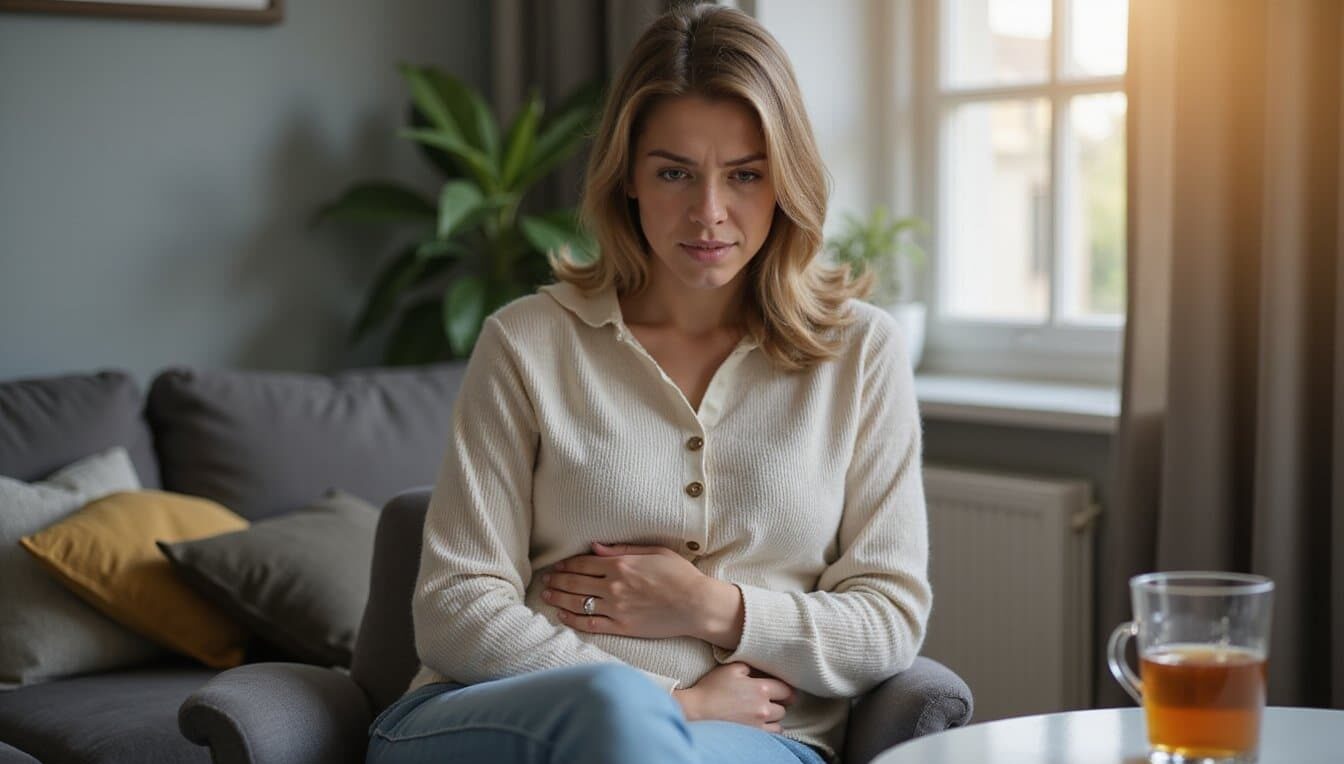
When you drink alcohol during your period, you’re triggering multiple physiological pathways that intensify uterine contractions. Alcohol acts as a diuretic, causing dehydration that tightens muscles and blood vessels, directly amplifying cramping severity. This fluid loss compounds the progesterone-induced retention already stressing your system. does alcohol make cramps worse, and the answer is often yes. As your body struggles to manage both the effects of alcohol and the hormonal fluctuations, the pain can become more pronounced. Managing your hydration and choosing to limit alcohol intake during this time may help alleviate some of the discomfort.
Beyond dehydration, alcohol causes significant magnesium depletion—a mineral critical for muscle relaxation. Lower magnesium levels correlate directly with increased menstrual pain intensity. Alcohol may also boost prostaglandin levels, causing stronger uterine contractions and more severe cramping.
Sleep disruption adds another layer of dysfunction. Alcohol prevents deep, restorative sleep, skewing hormone regulation and elevating your baseline pain perception. When you’re sleep-deprived, inflammatory responses heighten, and your nervous system becomes more sensitive to pain signals.
These mechanisms don’t operate in isolation. They stack, creating compounded discomfort that extends well beyond your drinking session. During the luteal phase, progesterone slows alcohol processing, which means the inflammatory and sleep-disrupting effects linger longer and hit harder.
Alcohol Raises Prostaglandins: The Chemicals That Cause Cramps
Because alcohol triggers prostaglandin synthesis, you’re fundamentally amplifying the exact chemical cascade that drives menstrual pain. Prostaglandins are lipid compounds produced at inflammation sites that force your uterine wall into forceful contractions. When you drink, your body generates elevated prostaglandin levels, directly intensifying the muscle spasms responsible for cramping. This chemical reaction is identical to what happens during natural menstruation, creating period-like pain even outside your cycle.
Does alcohol make period cramps worse through a dose-dependent mechanism? Yes—greater consumption produces proportionally more prostaglandins, scaling uterine contraction force accordingly. Binge drinking shows the strongest correlation with extreme cramp severity. Additionally, binge drinking can worsen other menstrual symptoms like bloating alongside the intensified cramping.
How does alcohol affect period cramps during peak menstruation? Prostaglandin release is already highest on cycle day one. Adding alcohol prolongs this inflammatory response, causing alcohol to worsen cramps beyond typical baseline levels and extending overall discomfort duration.
Drinking Dehydrates You, and That Makes Cramps Worse
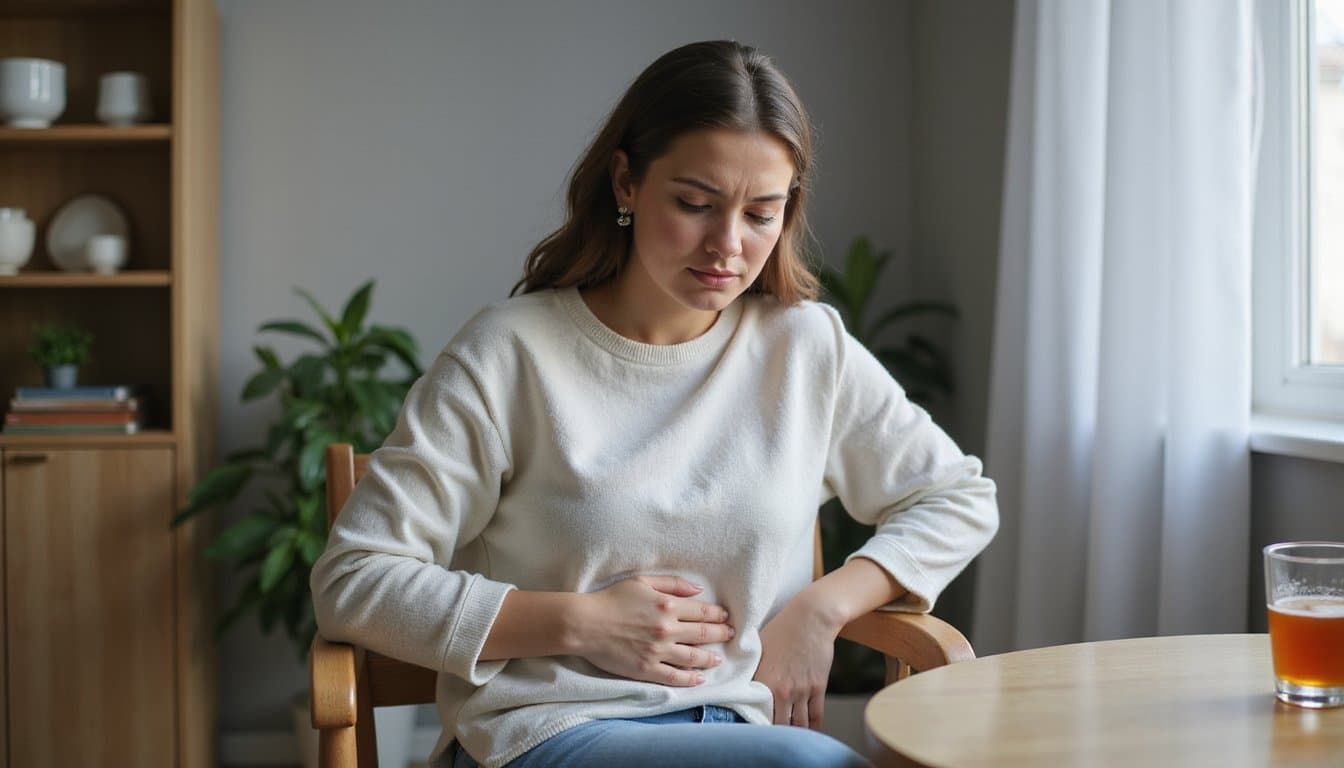
Alcohol functions as a potent diuretic, forcing your kidneys to excrete fluid at accelerated rates and depleting essential electrolytes your smooth muscles need for proper function. This fluid loss thickens menstrual blood, creating resistance as your uterus contracts to expel it. The result? More intense, prolonged cramping.
So does alcohol make cramps worse through dehydration alone? The evidence confirms it does. When you’re dehydrated, your uterine muscles work harder, and does drinking make period cramps worse becomes apparent as pain escalates. Alcohol also depletes magnesium, a mineral critical for muscle relaxation. Low magnesium elevates prostaglandin production, compounding discomfort. Additionally, alcohol increases prostaglandins directly, which can further intensify menstrual cramps beyond the effects of dehydration.
Does alcohol worsen period cramps? Mechanistically, yes. Adequate hydration thins menstrual fluids, eases uterine contractions, and reduces cramping intensity considerably. Research shows that alcohol consumption increases PMS symptoms by up to 79%, making the entire menstrual experience more uncomfortable. Does alcohol worsen period cramps? Mechanistically, yes. Adequate hydration thins menstrual fluids, eases uterine contractions, and reduces cramping intensity considerably. If you’re looking for does alcohol increase menstrual bleeding evidence, current research suggests alcohol’s main impact is through dehydration, inflammation, and hormonal disruption rather than a consistent direct increase in menstrual flow. Studies do show that alcohol consumption can increase PMS symptoms by up to 79%, making the entire menstrual experience more uncomfortable.
Alcohol Spikes Estrogen and Throws Off Your Cycle
When you drink alcohol, your liver slows its breakdown of estrogen, causing levels to spike and potentially triggering heavier menstrual bleeding. This hormonal surge also suppresses progesterone production, creating an imbalance that intensifies PMS symptoms like mood swings, bloating, and breast tenderness. The disruption to your estrogen-progesterone ratio can make the days leading up to your period markedly more uncomfortable. Alcohol consumption can also delay or disrupt ovulation, further throwing off the timing and regularity of your menstrual cycle. Research suggests that rising estradiol levels may be associated with increased alcohol craving, particularly during the midfollicular phase of the menstrual cycle.
Estrogen Levels Rise Sharply
Several studies confirm that alcohol consumption directly elevates estrogen levels in the bloodstream, with effects appearing shortly after drinking. This hormonal spike stimulates excessive growth of your uterine lining, which must then be shed during menstruation. Several studies confirm that alcohol consumption can elevate estrogen levels in the bloodstream, with effects appearing shortly after drinking. If you’re wondering does being on your period make alcohol hit harder, hormonal fluctuations during the menstrual phase may alter alcohol sensitivity in some individuals. This hormonal shift can also influence uterine lining dynamics, which must then be shed during menstruation.
| Drinking Pattern | Estrogen Impact | Cycle Effect |
|---|---|---|
| Moderate intake | Temporary elevation | Minor disruption |
| Binge drinking | Significant spike | Pronounced irregularity |
| Chronic use | Persistent elevation | Cycle cessation possible |
When you consume alcohol, your hypothalamic-pituitary-ovarian axis loses its precise hormonal control. This disruption impairs the LH and FSH surges necessary for proper ovulation. Your estrogen-progesterone balance shifts, and elevated estrogen persists throughout the luteal phase. The result is a thicker uterine lining that produces more prostaglandins during shedding, directly intensifying your cramping. These elevated prostaglandins increase inflammation and uterine contractions, making period pain significantly more severe. Additionally, alcohol can raise prostaglandin levels independently, further compounding the intensity of your menstrual cramps.
Heavier Bleeding May Result
How does alcohol translate into heavier menstrual flow? When you drink, elevated estrogen stimulates endometrial proliferation, thickening your uterine lining beyond its typical state. Upon shedding, this denser tissue produces increased bleeding volume during menstruation.
Moderate to heavy drinking amplifies this estrogen surge most profoundly. Dehydration from alcohol consumption may also intensify your perception of bleeding, though hydration studies indicate adequate fluid intake can actually shorten bleeding duration. Greater alcohol consumption leads to a greater increase in estrogen levels. Research suggests that women with a family history of alcohol use disorders may be more likely to increase their alcohol consumption premenstrually.
Chronic heavy use disrupts your hormonal balance further, leading to irregular cycles alongside heavier flow. However, research remains conflicting—a 2015 cohort study found moderate alcohol raised estrogen without immediate bleeding changes, while a 2014 study showed non-drinkers reported more irregularities. If you experience abnormal uterine bleeding, consult a healthcare professional rather than assuming alcohol is the sole cause.
PMS Symptoms Get Worse
Although you might reach for a drink to ease premenstrual discomfort, alcohol actually worsens PMS symptoms through multiple physiological mechanisms. A meta-analysis of 19 studies found drinkers face 45% higher PMS risk than non-drinkers, with heavy drinkers (more than one drink daily) experiencing 79% increased risk.
Alcohol directly disrupts the serotonin and GABA systems already dysregulated during your premenstrual phase. This neurochemical interference amplifies both mood disturbances and pain perception. If you have PMDD, you’re hypersensitive to these effects, making symptoms escalate more dramatically. This combination is particularly concerning because PMDD and alcohol use together increase risk of self-harm.
During your luteal phase, progesterone dominance slows alcohol metabolism, so drinks hit harder and hangovers intensify. Progesterone also elevates baseline inflammation, which alcohol compounds. The combined effect disrupts sleep more severely than either factor alone, further exacerbating PMS severity. Because of this strong association, clinicians often recommend that women with PMS avoid or limit alcohol consumption to help alleviate symptoms.
How Much Can You Drink Without Making Cramps Worse?
Your tolerance for alcohol during menstruation depends heavily on cycle timing, with the follicular phase offering the most metabolic flexibility and the luteal phase amplifying alcohol’s inflammatory effects. Sticking to one or two drinks and prioritizing hydration can minimize rebound cramping, though individual sensitivity varies based on baseline prostaglandin levels and hormonal fluctuations. Tracking your symptoms across cycles helps you identify your personal threshold before alcohol begins worsening uterine contractions. Since alcohol acts as a diuretic, dehydration can exacerbate cramps and counteract any temporary relief you might feel from drinking.
Safe Drinking Limits
Everyone responds differently to alcohol during menstruation, but research points to clear thresholds that minimize cramp severity. Moderate drinking—defined as no more than one drink per day—supports regular menstrual cycles and avoids significant prostaglandin imbalance. Most cases show no adverse effect on your cycle when you maintain this limit.
Heavy or binge drinking produces the most apparent increase in prostaglandins, triggering severe uterine contractions. Excess intake also elevates estrogen levels, potentially causing heavier flow and intensified cramping. Your liver, when weakened by alcohol, fails to properly metabolize hormones, compounding these effects.
To prevent dehydration from worsening your cramps, alternate alcoholic beverages with water. Staying under the one-drink daily threshold minimizes hormonal disruptions and inflammation. Monitoring your intake prevents symptom escalation while allowing occasional consumption without significant menstrual consequences.
Timing Matters Most
When you drink during your menstrual cycle matters as much as how much you consume. During days 1-5, your baseline inflammation is already elevated, and alcohol amplifies prostaglandin production—the compounds driving uterine contractions. Dehydration from alcohol’s diuretic effect tightens uterine muscles precisely when you’re actively bleeding, intensifying cramp severity.
Your follicular phase (days 1-13) offers more metabolic flexibility. Rising estrogen improves liver processing of alcohol, resulting in milder hangovers and reduced inflammatory responses. This window shows the least symptom disruption from moderate consumption.
The luteal phase presents heightened vulnerability. Alcohol dysregulates serotonin and GABA pathways, escalating PMS symptoms. Even one drink disrupts sleep quality, and hangover effects stack with existing PMS inflammation. Blood sugar fluctuations from alcohol compound luteal-phase discomfort, making this period particularly risky for drinking.
Individual Tolerance Varies
Because alcohol tolerance varies markedly between individuals, pinpointing a universal safe threshold for menstrual cramps isn’t straightforward. Your body’s response depends on hydration status, hormonal sensitivity, and baseline inflammation levels.
Consider these evidence-based thresholds:
- One drink daily increases heavy menstrual flow risk by 49% in susceptible women
- One to two drinks may initially relax muscles but subsequently intensify cramps through dehydration
- Moderate consumption elevates prostaglandin production, triggering stronger uterine contractions
- Chronic heavy intake disrupts estrogen regulation, causing irregular cycles and heavier bleeding
Your individual profile matters tremendously. If you’re in a low-tolerance group, even moderate amounts can trigger prostaglandin surges and heightened uterine contractions. Those with higher physical distress during the perimenstrual phase face amplified symptoms when combining alcohol with menstruation.
What to Do If You’ve Already Had Drinks on Your Period
If you’ve already consumed alcohol during your period, you can take immediate steps to minimize its impact on cramping and discomfort. Focus on counteracting alcohol’s diuretic and inflammatory effects through targeted interventions.
| Action | Rationale |
|---|---|
| Increase water intake | Counteracts dehydration that intensifies uterine contractions |
| Consume anti-inflammatory foods | Opposes alcohol-elevated prostaglandin levels |
| Apply heat therapy | Provides evidence-based pain relief without hormonal disruption |
| Prioritize sleep | Addresses compounded rest disruption from alcohol and progesterone |
| Avoid additional inflammatory triggers | Prevents further prostaglandin elevation from sugar or caffeine |
You’ll want to replenish magnesium stores depleted by alcohol consumption. Rest and gentle movement can alleviate intensified cramps while your body metabolizes the alcohol.
Frequently Asked Questions
Does Alcohol Affect Period Cramps Differently During Different Days of Your Cycle?
Yes, alcohol affects your cramps differently depending on where you are in your cycle. During your menstrual phase, it directly elevates prostaglandins and causes dehydration, intensifying uterine contractions. In your luteal phase, it worsens the estrogen-progesterone imbalance, amplifying premenstrual cramping. You’ll likely notice the sharpest impact during the first days of bleeding when prostaglandin levels peak and alcohol’s inflammatory effects compound your body’s existing pain response.
Can Drinking Alcohol Cause Spotting or Irregular Bleeding Between Periods?
Yes, drinking alcohol can cause spotting or irregular bleeding between periods. Alcohol impairs your liver’s ability to metabolize hormones, leading to elevated estrogen levels that stimulate irregular uterine lining shedding. It also disrupts your estrogen-progesterone balance, making ovulation unpredictable. Additionally, alcohol dilates blood vessels and reduces platelet clumping, which can trigger unexpected bleeding. Studies indicate daily alcohol consumption increases menstrual irregularities by up to 45%.
Does Alcohol Make Period Pain Worse if You Already Have Endometriosis?
Yes, alcohol likely worsens your endometriosis pain. When you drink, you’re elevating oestrogen levels, which promotes endometrial tissue growth and thickens your uterine lining—intensifying pain during your cycle. Alcohol also triggers pro-inflammatory pathways that exacerbate tissue inflammation around endometriotic lesions. Patients consistently report significant pain spikes post-consumption, with some experiencing level 10 intensity flare-ups. You’ll benefit from reducing or eliminating alcohol, especially during menstruation.
Will Drinking Alcohol Affect How Well Pain Medication Works for Cramps?
Yes, alcohol can reduce how well your pain medication works for cramps. It increases gastrointestinal bleeding risk when combined with NSAIDs like ibuprofen, while potentially causing liver damage with acetaminophen. Alcohol also raises prostaglandin levels—the same compounds causing your cramps—counteracting your medication’s benefits. Additionally, alcohol-induced dehydration thickens menstrual fluids, making uterine contractions more difficult. You’ll get better pain relief by avoiding alcohol while taking cramp medication.
Does the Type of Alcohol Matter, or Do All Drinks Worsen Cramps Equally?
All types of alcohol affect your cramps equally. Whether you’re drinking wine, beer, or spirits, the underlying mechanisms remain the same—elevated prostaglandins, dehydration, and hormonal disruption don’t vary by beverage type. Your body processes ethanol identically regardless of its source. Binge drinking shows the most significant impact on cramp severity, but moderate consumption of any alcohol can still intensify uterine contractions and inflammation during your cycle.