






Yes, alcohol can cause irregular periods by disrupting your hypothalamic-pituitary-ovarian axis, the hormonal communication system controlling your cycle. When you drink, you’ll experience suppressed LH secretion that prevents proper ovulation timing, elevated estrogen promoting excessive endometrial growth, and reduced progesterone destabilizing your luteal phase. Heavy drinking throws off the delicate balance between estrogen and progesterone, leading to unpredictable periods and breakthrough bleeding. Understanding how alcohol affects each cycle phase can help you make informed choices.
How Alcohol Disrupts Your Hormonal Balance
Additionally, alcohol elevates cortisol, which further depletes your progesterone supply. Even moderate consumption, just one glass daily, can disrupt your hypothalamic-pituitary-ovarian axis, interfering with the precise hormonal signaling that governs ovulation and menstruation. Because alcohol is water and fat soluble, it can easily be absorbed into cells throughout your body, including the delicate tissues of your reproductive system. This disruption can lead to irregular menstrual cycles and other reproductive health issues that may persist with continued alcohol use.
The Link Between Drinking and Worsening Menstrual Cramps
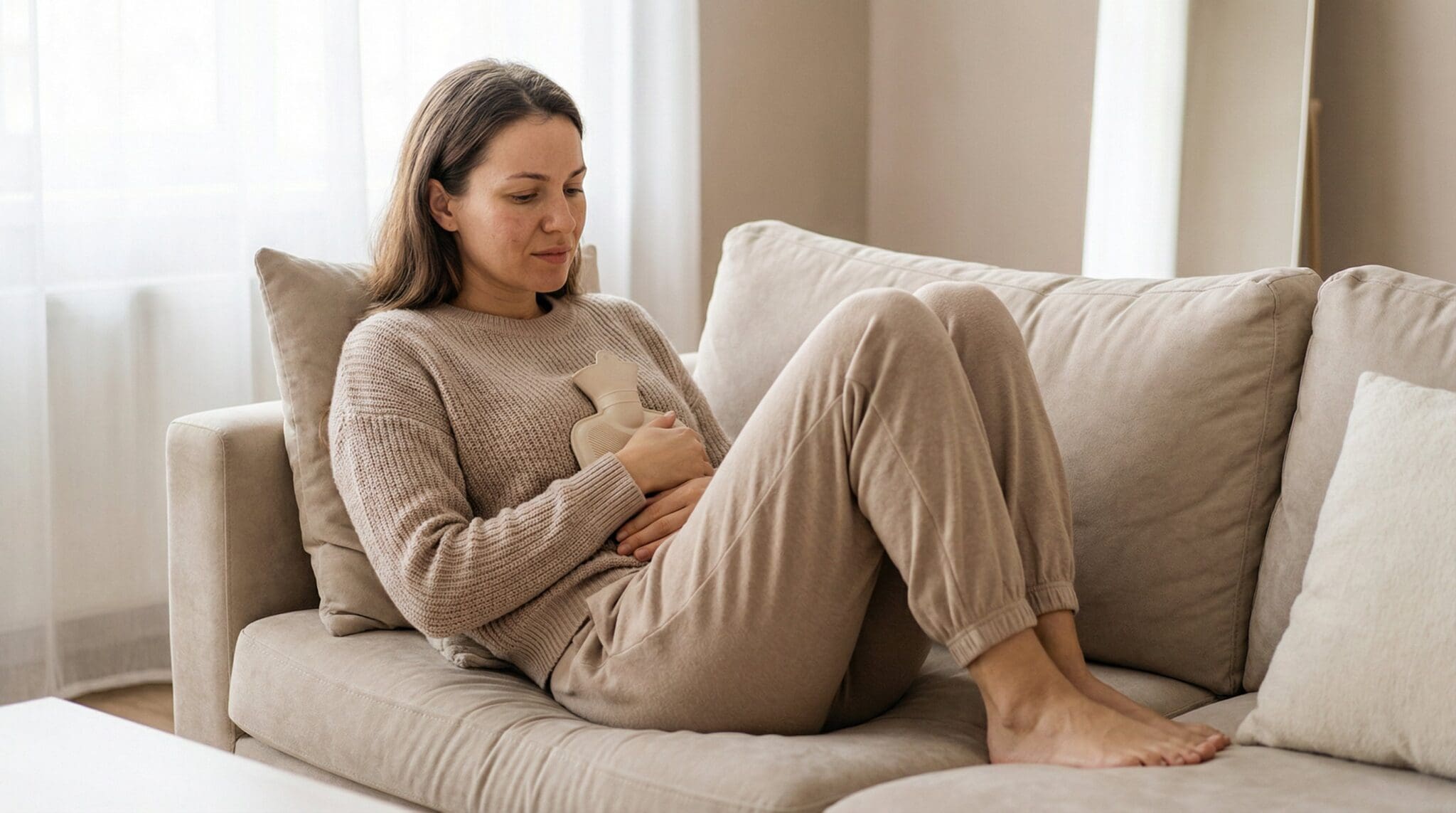
When you drink alcohol, your body produces more prostaglandins, the chemicals that trigger uterine contractions and cramping during your period. Alcohol’s diuretic effect also depletes your hydration, which research shows can intensify cramp pain and affect the muscles surrounding your uterus. Staying well-hydrated may help shorten bleeding duration and reduce cramp severity, making it worth limiting alcohol during menstruation. Additionally, alcohol triggers widespread inflammation in the body, which combines with the existing inflammation during menstruation to further intensify uterine contractions and cramping. Research from the Taiwan Biobank found that concurrent alcohol and tobacco use was associated with a higher risk of dysmenorrhoea, particularly in women aged 50 years and older.
Prostaglandins and Uterine Contractions
Because your body relies on prostaglandins to trigger uterine contractions during menstruation, any factor that increases these hormone-like compounds can intensify your cramps. Alcohol consumption elevates prostaglandin levels in your reproductive tissues, directly amplifying the strength and frequency of uterine contractions.
When prostaglandins rise above normal levels, you may experience:
- Stronger, more sustained myometrial contractions that increase intrauterine pressure
- Reduced blood flow to uterine muscle, creating ischemic pain
- Heightened inflammatory responses that boost prostaglandin synthesis further
- Radiating discomfort extending to your lower back, thighs, and pelvis
Drinking during your period doesn’t create new pathology, it worsens existing menstrual cramps through prostaglandin modulation. Your uterus becomes more responsive to these inflammatory mediators, meaning even typical prostaglandin levels can produce disproportionately painful contractions when alcohol is involved. Binge drinking in particular can significantly worsen menstrual symptoms like bloating and cramps beyond what moderate consumption might cause. Additionally, alcohol can disrupt estrogen and progesterone levels, which further compounds the hormonal imbalance affecting your menstrual cycle.
Dehydration Intensifies Cramp Pain
Beyond prostaglandin elevation, alcohol’s diuretic effects create a second pathway to intensified menstrual pain. When you consume alcohol, increased urination depletes your body’s fluid reserves, thickening menstrual blood and uterine secretions. Your uterus must then contract more forcefully to expel these viscous contents, directly amplifying menstrual cramps. This thickening effect can also lead to heavier periods due to the increased estrogen levels associated with alcohol consumption.
Dehydration also tightens your abdominal and uterine muscles while constricting blood vessels. Alcohol triggers vasopressin release, narrowing vessels further and reducing oxygen delivery to cramping tissues. Additionally, fluid loss depletes magnesium stores essential for muscle relaxation. The resulting water retention and puffiness from dehydration can compound your discomfort, leaving you feeling even more swollen and sore.
You can mitigate these effects by prioritizing hydration before and during your period. Adequate water intake thins menstrual fluids, allowing easier passage and reducing contraction intensity. Limiting alcohol consumption prevents the diuretic cascade that transforms manageable discomfort into severe cramping. In addition, incorporating electrolyte-rich beverages can support better fluid balance and enhance overall well-being during this time. For those struggling with alcohol consumption, seeking alcohol detox treatment can be a crucial step in alleviating menstrual discomfort.
Hydration Reduces Bleeding Duration
While alcohol’s diuretic effects thicken menstrual blood and intensify cramping, proper hydration can actually help reduce your bleeding duration. When you maintain adequate fluid balance, your plasma volume stays stable, preventing the hemoconcentration that makes menstrual blood harder to pass.
Thickened menstrual fluid requires stronger uterine contractions to expel, prolonging your period and worsening discomfort. By restoring hydration after drinking, you support normal menstrual blood viscosity and more efficient endometrial shedding. Since alcohol can cause hormonal imbalances and fluctuations, staying properly hydrated becomes even more critical for maintaining cycle regularity.
Key benefits of maintaining hydration during your period:
- Supports smoother uterine blood flow and tissue clearance
- Prevents prolonged bleeding from thickened menstrual fluid
- Enhances circulatory function for ideal uterine emptying
- Reduces cramp severity that can accompany sluggish flow
Prioritizing water and electrolyte intake helps counteract alcohol’s dehydrating impact and normalizes your cycle’s natural rhythm. Additionally, if you’re trying to conceive, be aware that moderate to heavy drinking by both partners can reduce chances of conception, making hydration and limiting alcohol even more important during this time.
Why Heavy Drinking Leads to Cycle Irregularities
When you drink heavily, alcohol disrupts the hormonal signals that regulate your menstrual cycle, particularly affecting how your brain communicates with your ovaries through the hypothalamic-pituitary-gonadal axis. This interference can throw off your estrogen and progesterone levels, leading to irregular ovulation and unpredictable periods. Research suggests that rising estradiol levels may be associated with increased alcohol craving, particularly during the midfollicular phase of the menstrual cycle. Additionally, alcohol increases prostaglandin production while causing dehydration, both of which can intensify cramping and alter your cycle’s timing. Research shows that women progress more quickly from initial alcohol use to abuse than men, a phenomenon known as “telescoping,” which means cycle disruptions may develop faster than expected.
Hormone Balance Disruption
Your menstrual cycle depends on precise hormonal communication between your brain and ovaries, a system called the hypothalamic-pituitary-ovarian (HPO) axis. When you drink heavily, alcohol disrupts this signaling pathway, directly affecting how your menstrual cycle and alcohol interact.
Heavy drinking triggers multiple hormonal imbalances that can cause irregular periods:
- Suppressed LH secretion prevents proper ovulation timing
- Elevated estrogen levels promote excessive endometrial growth and heavier bleeding
- Reduced progesterone production destabilizes your luteal phase
- Increased testosterone further inhibits reproductive hormone release
These disruptions explain how alcohol can affect your period cycle at every phase. The result includes anovulatory cycles, shortened luteal phases, breakthrough bleeding, and unpredictable cycle lengths. High levels of alcohol can interfere with estrogen and progesterone production, compounding these hormonal imbalances. In animal models, chronic alcohol exposure can even lead to ovarian failure and infertility. Understanding these mechanisms helps you recognize why moderating alcohol consumption supports reproductive health. Additionally, some individuals may experience a delayed period after drinking alcohol, further emphasizing the impact of alcohol on menstrual regulation. This delay can be attributed to the altered hormonal environment and its effect on the body’s natural cycle.
Prostaglandins and Dehydration Effects
Beyond hormonal disruption, alcohol triggers another pathway that affects your menstrual cycle: prostaglandin production. These lipid compounds regulate uterine contractions and inflammation during menstruation. When you drink heavily, your prostaglandins spike, intensifying cramps and potentially causing heavier bleeding through stronger endometrial shedding.
Alcohol’s diuretic effect compounds these issues by causing dehydration. When you’re dehydrated, your menstrual blood thickens, making passage more difficult and painful. This combination of elevated prostaglandins and dehydration creates forceful contractions that can blur your perception of cycle phases.
You might experience cramp-like pelvic pain outside your typical bleeding window, leading to confusion about when your period actually starts. These prostaglandin surges can also trigger spotting or breakthrough bleeding, contributing to irregular periods even when your underlying cycle length remains unchanged. Heavy alcohol consumption can also disrupt the balance of prostaglandins that control other reproductive functions beyond menstruation. Moreover, fluctuations in hormone levels can lead to unexpected variations in menstrual cycles, raising questions about overall reproductive health. Many individuals wonder, does alcohol influence period timing, and the answer may vary depending on the amount consumed and personal health factors.
How Different Menstrual Phases Affect Alcohol Cravings

Throughout your menstrual cycle, fluctuating hormone levels don’t just affect your mood and energy, they directly influence how strongly you crave alcohol.
Your hormones don’t just shift your mood, they shape when alcohol feels most tempting throughout your cycle.
During your follicular phase, rising estradiol levels increase alcohol’s rewarding effects, making cravings more intense. As progesterone rises in the luteal phase, cravings typically decrease.
Key patterns across your cycle:
- Follicular phase: Higher cravings due to elevated estradiol-to-progesterone ratio
- Periovulatory phase: Increased likelihood of heavy drinking despite lower self-reported cravings
- Early luteal phase: Moderate craving levels as progesterone begins rising
- Late luteal phase: Reduced binge drinking odds, though premenstrual symptoms may trigger coping-related drinking
Understanding these patterns helps you anticipate vulnerable periods. If you’re managing alcohol consumption, tracking your cycle can identify when you’ll need additional support strategies.
Drinking Patterns Throughout Your Monthly Cycle
A glass of wine hits differently depending on where you are in your monthly cycle. Research shows alcohol and menstruation share a complex relationship, with your drinking probability shifting across phases.
During the follicular phase, your likelihood of drinking increases as estradiol rises. You’ll hit peak consumption around ovulation, when hormonal influences on drinking are strongest. The luteal phase brings declining alcohol use, particularly as your progesterone-to-estradiol ratio climbs.
| Cycle Phase | Drinking Probability | Key Driver |
|---|---|---|
| Menstrual | Baseline | Hormone reset |
| Follicular | Increasing | Rising estradiol |
| Ovulatory | Highest | Peak estrogen |
| Luteal | Decreasing | Elevated progesterone |
Understanding how alcohol affects your menstrual cycle helps you make informed choices about consumption timing.
What Research Reveals About Alcohol and Menstruation

Most studies examining alcohol’s impact on menstruation point to the hypothalamic-pituitary-ovarian axis as the primary target of disruption. When you consume alcohol regularly, it interferes with the hormonal signals your brain sends to your ovaries, potentially triggering menstrual irregularity.
Alcohol disrupts the brain-ovary communication pathway, interfering with hormonal signals and potentially causing menstrual irregularities.
Research consistently shows that chronic heavy drinking affects your menstrual cycle through several mechanisms:
- Suppressed GnRH and LH pulsatility, leading to anovulatory cycles
- Elevated estrogen levels, causing heavier bleeding and thicker endometrial growth
- Altered progesterone concentrations, destabilizing your luteal phase
- Increased prostaglandin production, intensifying cramps and flow
Clinical evidence indicates you’re more likely to experience cycle disturbances if you have alcohol use disorder compared to non-drinkers. While light to moderate alcohol consumption rarely causes dramatic cycle changes, it may worsen existing menstrual symptoms.
Take the First Step Toward Recovery Today
Frequently Asked Questions
Can Drinking Alcohol Delay Your Period by Several Days?
Alcohol can indirectly delay your period by several days, though it’s not typically the sole cause. When you drink, you’re disrupting your estrogen and progesterone balance, which affects your hypothalamus and pituitary gland’s regulation of ovulation. Heavy or chronic drinking creates the most significant hormonal imbalances. Dehydration from alcohol also impacts cycle normalization. If you’re experiencing persistent delays, you should consult your healthcare provider to rule out other underlying causes.
Does Alcohol Affect Fertility or Make It Harder to Conceive?
Yes, alcohol can markedly affect your fertility and make conception harder. Even low to moderate drinking disrupts your hormonal balance, increasing estrogen while decreasing progesterone, which interferes with ovulation. Consuming just 3-6 drinks weekly can reduce your conception chances by 44% during the luteal phase. If you’re undergoing IVF, alcohol consumption lowers oocyte numbers and pregnancy rates. Your partner’s drinking also matters, it negatively impacts sperm quality and treatment outcomes.
Is It Safe to Drink Alcohol While Taking Birth Control Pills?
Drinking alcohol while taking birth control pills is generally safe, alcohol doesn’t directly reduce your pill’s effectiveness. However, you’ll want to be cautious because heavy drinking can lead to missed pills, vomiting within 2–3 hours of taking your dose, or impaired judgment that disrupts your routine. If you vomit shortly after taking your pill, treat it like a missed dose and use backup contraception. Moderate drinking typically poses minimal risk to your contraceptive protection.
How Long After Quitting Alcohol Will My Period Normalize?
Your period typically normalizes within 3–6 months after quitting heavy drinking, though you may notice changes within the first few cycles. Recovery time depends on how much and how long you drank, your baseline reproductive health, age, and nutritional status. Your first cycles may still be irregular as your hormones rebalance. If your period doesn’t regulate after six months of abstinence, you should consult your healthcare provider for evaluation.
Can Occasional Social Drinking Cause a Missed Period?
Occasional social drinking is unlikely to cause a missed period on its own. Research suggests moderate alcohol consumption probably doesn’t noticeably affect your menstrual cycle. However, if you’re experiencing missed periods, other factors like stress, weight changes, or underlying health conditions may be contributing. You should track your drinking habits and cycle patterns, and consult your healthcare provider if irregularities persist to rule out other causes.